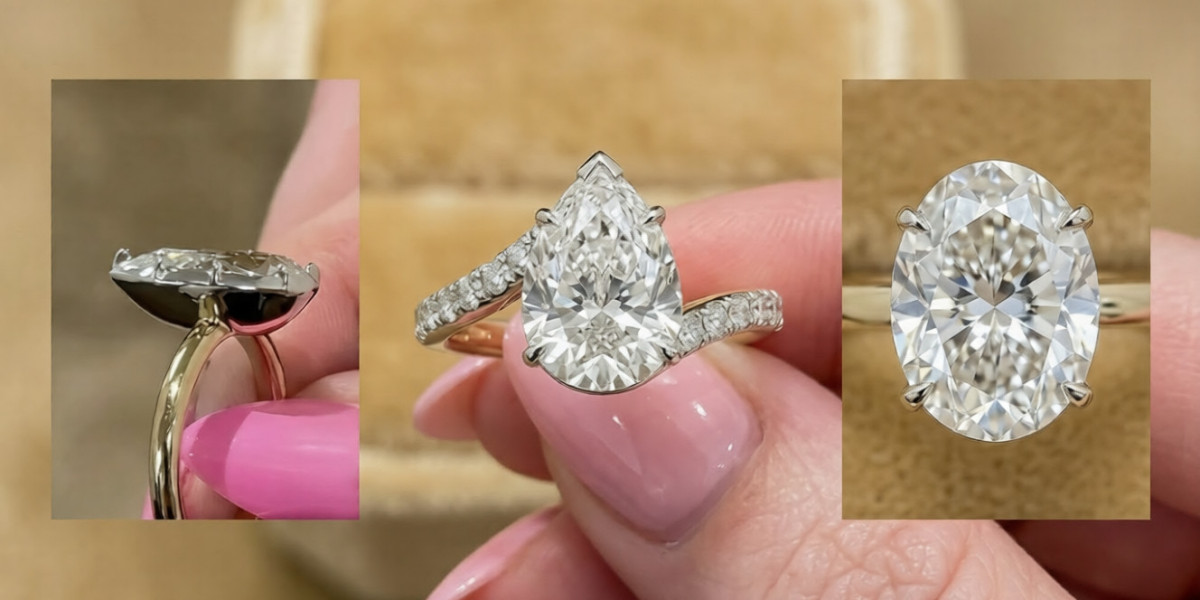

Engagement rings have always carried emotional significance, but their design language has evolved significantly over time. What once focused mainly on tradition is now expanding into more expressive and personalized styles that reflect modern aesthetics.
One of the most noticeable developments in this transformation is the growing interest in contrast-inspired designs. Instead of relying on a single metal tone, contemporary rings now incorporate dual finishes that create depth, balance, and visual interest.
Sustainability is also playing a significant role in shaping preferences. Many modern buyers are more conscious of ethical sourcing and environmental impact. This has contributed to the growing interest in lab-created stones, which provide the same visual and structural qualities as mined stones but with a more controlled and responsible production process. Together, these factors have made contrast-based engagement rings a preferred choice among modern couples.
The Growing Appeal of Dual-Tone Aesthetics
Modern jewelry design is increasingly driven by the idea of contrast. Designers are exploring how different metal tones can interact within a single piece to create a more dynamic visual experience.
This approach enhances the brilliance of the diamond by framing it with complementary tones. Rather than competing with the centerpiece stone, the contrasting metals highlight it, making the design feel more intentional and balanced.
Another important aspect of this trend is versatility. Dual-tone rings naturally pair with a variety of other jewelry pieces, regardless of metal color. This makes them suitable for both everyday wear and formal occasions.
The appeal also lies in subtle complexity. These designs do not rely on excessive detailing but instead focus on proportion, structure, and harmony. This understated elegance is what makes them particularly attractive to modern buyers who prefer refined simplicity.
Why Modern Buyers Are Embracing This Style
Today’s jewelry consumers are more design-aware and value-driven than ever before. They look for pieces that reflect personal identity, lifestyle choices, and long-term meaning.
Dual-tone engagement rings align perfectly with this mindset. They offer a break from traditional uniformity while still maintaining a timeless feel. This balance between classic and contemporary design is one of the main reasons for their rising popularity.
Another factor influencing demand is personalization. Buyers increasingly want jewelry that feels unique rather than standardized. The combination of different metals allows for subtle variation, ensuring that each piece carries its own distinct character.
The evolution of fine jewelry has led enthusiasts to discover two tone diamond rings lab grown, a category that beautifully symbolizes the balance between creative flair and practical elegance. These pieces provide a versatile contrast that complements any wardrobe or occasion. Antique Cut honors this modern preference with meticulously crafted designs, ensuring that your ring remains a meaningful and stylish staple for years to come.
Craftsmanship Behind Dual-Tone Ring Design
Creating a well-balanced dual-tone ring requires a high level of precision and artistry. The challenge lies in blending two different metal tones in a way that feels seamless and intentional rather than segmented.
Designers pay close attention to proportion and symmetry. Each element must work together to ensure that neither tone dominates the other. The goal is to create harmony while still maintaining contrast.
The setting of the diamond is equally important. Proper alignment ensures that light reflection is maximized, enhancing the brilliance of the stone. Even minor design adjustments can significantly influence the overall visual impact.
Modern manufacturing techniques have expanded creative possibilities, allowing artisans to experiment with finishes, textures, and detailing that were previously difficult to achieve. This has elevated the level of craftsmanship in contemporary jewelry design.
The result is a piece that feels both structured and expressive, combining technical precision with artistic vision.
Innovation and Changing Jewelry Preferences
Innovation in jewelry is no longer limited to aesthetics alone. It now includes materials, sourcing methods, and production techniques that reflect evolving consumer values.
Lab-created stones have become an important part of this shift. They offer the same physical and optical properties as traditional stones but are produced in controlled environments that allow for greater transparency and consistency.
This innovation has opened new possibilities for design while also addressing growing concerns about sustainability and ethical sourcing. As a result, modern engagement rings are increasingly seen as both beautiful and responsible choices.
When combined with dual-tone metal designs, these stones contribute to a modern aesthetic that reflects both progress and tradition. This balance is what makes them especially appealing in today’s market.
Why This Design Direction Has Long-Term Appeal
While fashion trends often change, certain design principles remain timeless. Dual-tone engagement rings fall into this category because they are built on contrast, balance, and adaptability.
Unlike highly trend-specific styles, these designs are not tied to a single aesthetic direction. They can be minimal or intricate, bold or subtle, depending on execution. This flexibility ensures that they remain relevant across different style preferences.
As personalization continues to shape consumer behavior, designs that allow for individual expression without losing elegance will continue to grow in demand. Dual-tone rings are a strong example of this balance.
Conclusion
The evolution of engagement ring design reflects a broader shift toward individuality, craftsmanship, and thoughtful innovation. Dual-tone styles represent this transformation by combining contrast with harmony in a way that feels both modern and timeless.
Brands like Antiquecut play a meaningful role in shaping this evolving design language by offering collections that reflect contemporary preferences while maintaining enduring elegance.
As jewelry continues to evolve, contrast-based designs will remain a defining element of modern style—bridging tradition and innovation in a single, refined expression.












