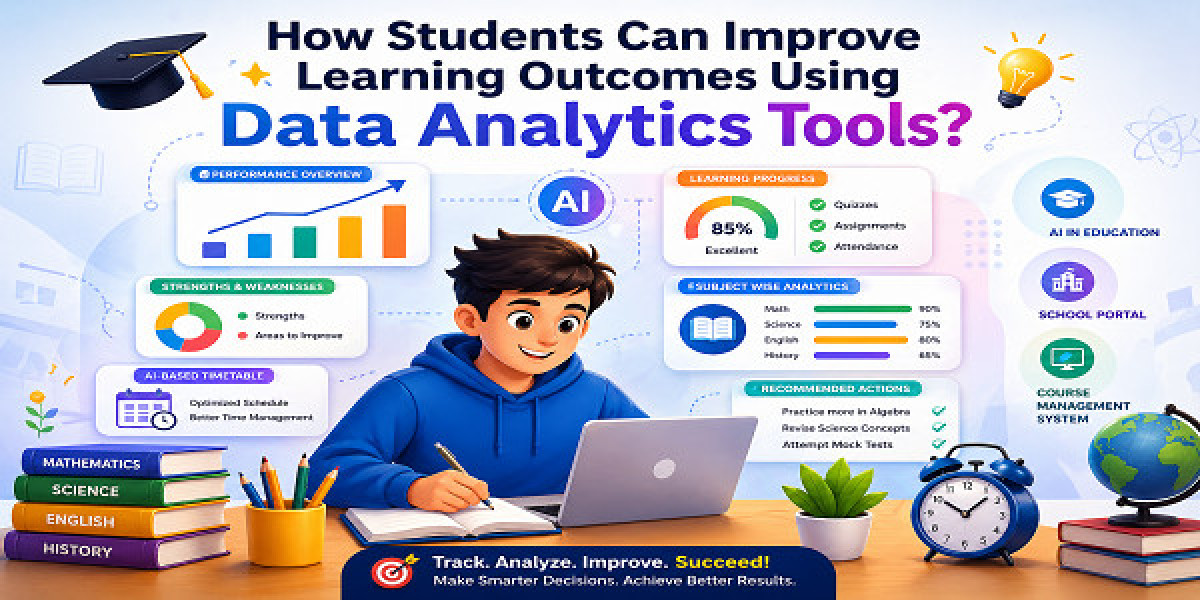

Students are no longer limited to traditional study methods. With the rise of Data Analytics in Education, learners now have access to powerful insights that can transform how they study, track progress, and achieve better results. By leveraging modern technologies like AI in Education, students can identify their strengths, overcome weaknesses, and optimize their learning strategies for long-term success.
Understanding Data Analytics in Education
Data Analytics in Education refers to the use of data-driven tools and platforms to analyze student performance, learning patterns, and engagement levels. These tools collect information from various sources such as assessments, assignments, and online activities to generate actionable insights.
For students, this means gaining a clearer understanding of how they learn best. Instead of guessing what works, they can rely on real-time data to make informed decisions about their study habits. This shift from intuition-based learning to evidence-based learning is a game-changer in modern education.
Personalized Learning Through Data Vision
One of the most significant advantages of using data analytics tools is personalized learning. Every student has a unique learning style, pace, and set of challenges. Data analytics platforms analyze individual performance and recommend customized learning paths.
For instance, if a student struggles with mathematics but excels in language subjects, the system can suggest targeted practice sessions, additional resources, and adaptive quizzes. This level of personalization ensures that students focus their time and energy where it is needed most, leading to improved outcomes.
Identifying Strengths and Weaknesses
Data analytics tools provide detailed reports that highlight a student’s academic strengths and areas for improvement. These insights help students:
- Recognize subjects or topics that require extra attention
- Track progress over time
- Set realistic academic goals
By regularly reviewing these reports, students can adopt a proactive approach to learning. Instead of waiting for exam results, they can continuously refine their strategies and stay ahead.
Enhancing Time Management with Smart Tools
Effective time management is crucial for academic success. With features like AI-Based Timetable Generation, students can create optimized study schedules based on their learning patterns, deadlines, and priorities.
These AI-driven schedules ensure that students allocate the right amount of time to each subject while maintaining a balanced routine. By following a structured timetable, students can reduce stress, avoid last-minute cramming, and improve overall productivity.
Leveraging School Portal for Real-Time Updates
A School Portal plays a vital role in integrating data analytics into everyday learning. These platforms provide students with instant access to:
- Attendance records
- Assignment deadlines
- परीक्षा results and feedback
- Learning resources
With all academic information available in one place, students can stay organized and make data-driven decisions. For example, if attendance data shows frequent absences in a particular subject, students can take corrective action before it impacts their performance.
Improving Engagement with Course Management Systems
A Course Management System is another essential tool that enhances learning through data analytics. These systems offer interactive features such as quizzes, discussion forums, and performance dashboards.
By analyzing engagement metrics, students can understand how actively they participate in their courses. Low engagement levels can be addressed by increasing interaction, completing assignments on time, and utilizing available resources more effectively.
Moreover, these platforms often use AI in Education to recommend content based on a student’s progress, ensuring continuous learning without gaps.
Real-Time Feedback for Continuous Improvement
Traditional learning methods often involve delayed feedback, which can hinder improvement. Data analytics tools provide real-time feedback, allowing students to identify mistakes and correct them immediately.
For example, after completing an online quiz, students receive instant results along with explanations for incorrect answers. This immediate feedback loop helps reinforce concepts and prevents the repetition of errors.
Setting Data-Driven Goals
Goal setting becomes more effective when backed by data. Instead of vague objectives like “study more,” students can set specific, measurable goals such as:
- Improving test scores by 10% within a month
- Completing a certain number of practice exercises weekly
- Increasing engagement in online courses
Data analytics tools track these goals and provide progress updates, keeping students motivated and focused.
Encouraging Self-Directed Learning
With access to detailed insights and recommendations, students become more independent learners. They no longer rely solely on teachers for guidance but take ownership of their academic journey.
This self-directed approach fosters critical thinking, problem-solving skills, and a deeper understanding of subjects. It also prepares students for future academic and professional challenges where analytical thinking is essential.
The Role of AI in Education
The integration of AI in Education takes data analytics to the next level. AI-powered tools can predict student performance, recommend personalized study plans, and even automate administrative tasks.
Features like AI-Based Timetable Generation and intelligent content recommendations ensure that students receive the right support at the right time. This not only improves learning efficiency but also enhances the overall educational experience.
Overcoming Challenges with Data Analytics
While data analytics offers numerous benefits, students must use these tools effectively. Over-reliance on technology without understanding the underlying concepts can limit learning. Therefore, it is essential to strike a balance between data-driven insights and active learning.
Students should also ensure data accuracy by regularly updating their progress and engaging actively with the platforms. The more accurate the data, the more reliable the insights.
Conclusion
In an era where technology is reshaping education, Data Analytics in Education has emerged as a powerful tool for improving learning outcomes. By leveraging platforms like School Portal and Course Management System, along with advanced capabilities of AI in Education, students can gain valuable insights into their academic performance.
From personalized learning paths to real-time feedback and AI-Based Timetable Generation, data analytics empowers students to take control of their education. By adopting these tools and strategies, students can enhance their productivity, achieve better results, and unlock their full potential in a competitive academic landscape.