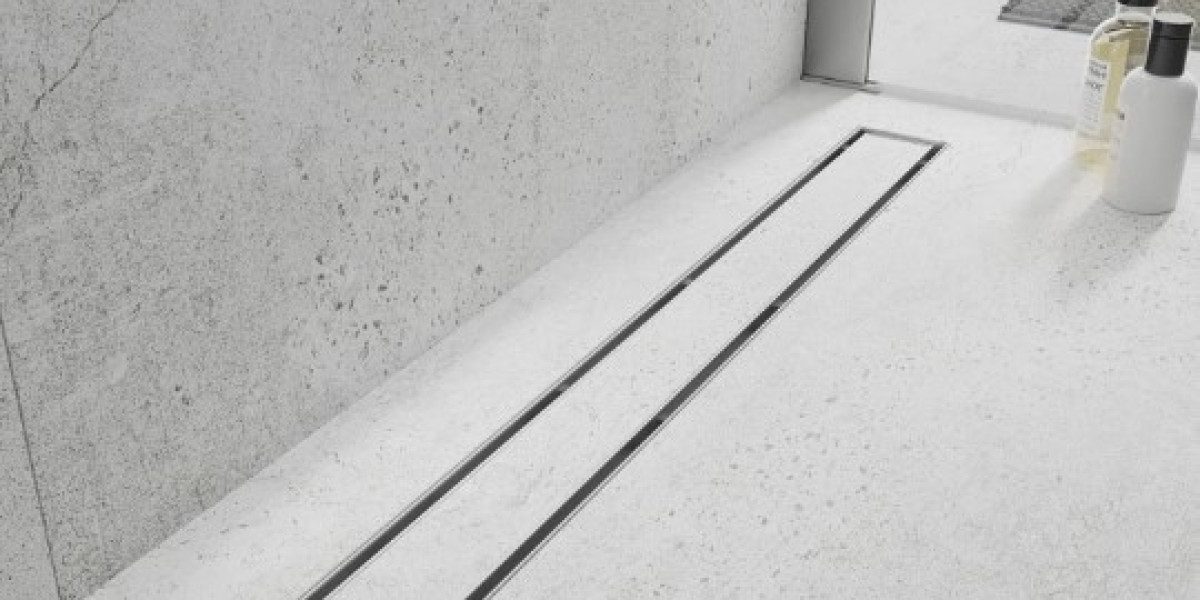

In today’s building environments, floor drains are no longer just basic utility components, and many designers recognize that properly engineered floor drains can greatly influence cleanliness, safety, and long-term usability when paired with reliable solutions like BetterDrain. Whether in residential bathrooms, commercial kitchens, or utility spaces, water control determines how comfortable and efficient a room feels. A well-designed drainage system allows water to move quickly and naturally, preventing accumulation and reducing maintenance effort. As expectations for modern spaces continue to rise, attention to hidden systems like drainage has become just as important as visible design elements.
1. The Foundation of Effective Drainage Planning
Every successful drainage system begins with a clear understanding of the space it serves. The position of fixtures, the direction of water flow, and the type of surface all contribute to how well the system performs. Without proper planning, even high-quality components may fail to deliver consistent results.
The foundation of good planning lies in anticipating how water will behave under real conditions. Designers must consider daily usage patterns, cleaning routines, and environmental factors such as humidity and temperature. By aligning these considerations with structural design, they can create a system that performs reliably over time. This approach reduces the likelihood of unexpected issues and ensures that the space remains functional long after installation.
2. Balancing Performance and Aesthetic Design
Modern interiors demand a balance between performance and appearance. While drainage systems are primarily functional, they also influence the overall look of a space. A poorly integrated system can disrupt visual harmony, while a well-designed one blends seamlessly into the environment.
Achieving this balance requires thoughtful coordination between architects, designers, and installers. The goal is to create a layout where water management supports the visual design rather than competing with it. Clean lines, consistent materials, and subtle integration all contribute to a more refined result. When done correctly, the drainage system becomes almost invisible, yet its impact on usability remains significant.
3. BetterDrain Floor Drains for Reliable Installation
Installation is a critical stage that determines how well a drainage system will perform in the long term. Even the most carefully selected components require precise placement and secure connections to function effectively. Errors during installation can lead to leaks, uneven flow, and costly repairs.
BetterDrain emphasizes the importance of accuracy and consistency during this process. Installers must ensure that all elements are aligned correctly and that sealing is completed thoroughly. Attention to detail at this stage prevents future complications and enhances the durability of the system.
In addition to technical accuracy, installation should also consider future maintenance. Accessible designs make it easier to inspect and clean the system, ensuring that it continues to perform efficiently. This forward-thinking approach adds value by reducing long-term maintenance challenges.
4. Material Strength and Environmental Resistance
The materials used in drainage systems must withstand continuous exposure to moisture, cleaning agents, and physical wear. Selecting durable materials is essential for maintaining performance and appearance over time. Inferior materials may degrade quickly, leading to corrosion, discoloration, and reduced functionality.
High-quality materials offer greater resistance to these challenges. They maintain structural integrity and remain easier to clean, which is especially important in high-use environments. By investing in durable components, property owners can reduce maintenance costs and extend the lifespan of their drainage systems.
Environmental resistance is particularly important in spaces exposed to varying conditions. Temperature changes, humidity, and frequent use all place stress on materials. A well-chosen system is designed to handle these factors without compromising performance, ensuring consistent results across different conditions.
5. Long-Term Value Through Smart Design
A well-designed drainage system provides value far beyond its initial installation. It contributes to a safer environment by reducing the risk of slips and falls. It also improves hygiene by preventing water accumulation and supporting easier cleaning routines. These benefits make a noticeable difference in everyday use.
Smart design focuses on simplicity and reliability. Systems that are easy to maintain and consistently effective create a better experience for users. Over time, this reliability translates into cost savings and increased satisfaction. Property owners can trust that their investment will continue to deliver benefits without frequent repairs or adjustments.
As building standards continue to evolve, the importance of efficient drainage systems will only increase. By prioritizing thoughtful design, quality materials, and precise installation, it is possible to create spaces that meet both functional and aesthetic expectations. For more information, visit https://www.betterdrain.cn .