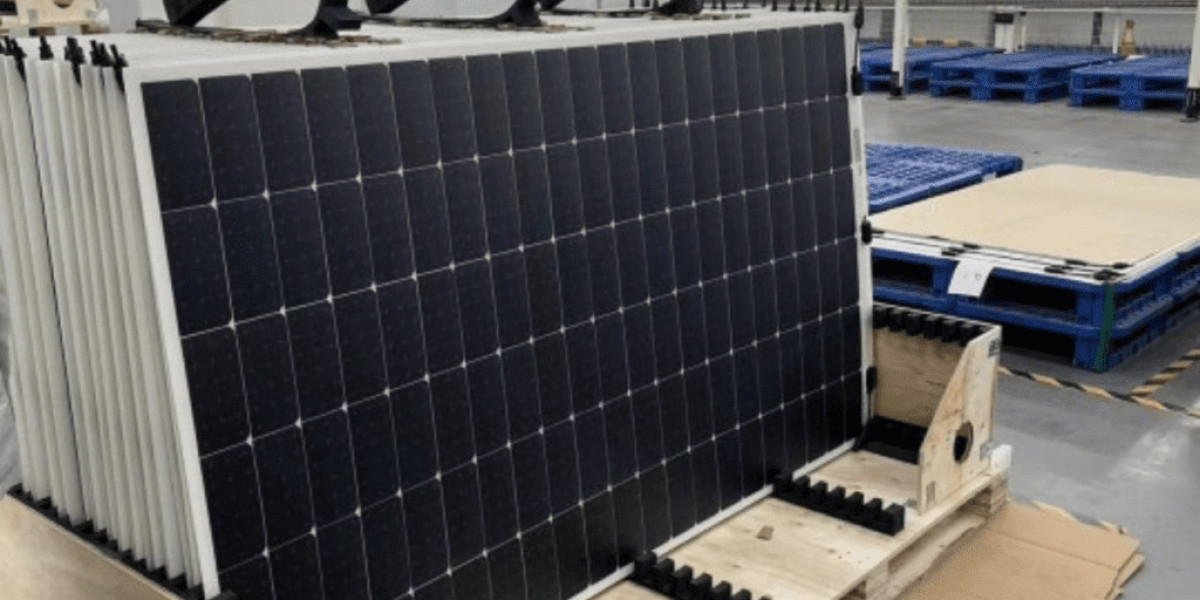

It occurs when businesses purchase or produce more items like connectors, mounts, inverter accessories, cables, and monitoring devices than they can sell in time. This leads to storage pressure, tied-up working capital, and reduced cash flow. It often results from poor demand forecasting, bulk buying for cost savings, or sudden drops in market demand. However, with better planning, inventory tracking, and timely action, businesses can manage excess stock and reduce losses.
Why Excess Solar Stock Builds Up
Overstock Solar Accessories & Components usually build up due to a few common reasons. Many businesses rely on demand estimates instead of real usage data, which leads to overbuying. Bulk purchasing for discounts and cost savings also results in bulk excess inventory. Project delays and shifting installation schedules leave purchased parts unused for long periods. Additionally, product upgrades and poor inventory tracking contribute to slow-moving stock that eventually fills up storage space.
Cost Impact on Business Operations
Overstock Solar Accessories & Components increases business costs in multiple ways. It ties up cash flow in unsold inventory, limiting funds available for new purchases and operations. Storage expenses also rise as large volumes of components occupy valuable warehouse space. Over time, some parts may lose value due to degradation, obsolescence, or wear in packaging. This situation also complicates demand forecasting and leads to further financial losses if the excess stock remains unused for long periods.
Better Demand Planning and Ordering
Good planning is essential to prevent overstock solar accessories & components. Businesses should rely on real usage data and past sales trends instead of assumptions to forecast demand more accurately. Aligning orders with actual installation needs helps avoid unnecessary stock buildup over time. Strong communication between sales, procurement, and installation teams further improves ordering decisions. Using flexible supplier arrangements and simple, consistent tracking tools can significantly reduce the risk of excess inventory.
Smart Storage and Inventory Control
Proper storage helps reduce loss from overstock solar accessories & components. Items should be grouped by type. Cables, mounts, connectors, and electronics should be stored separately. Older stock should always be placed in front. This ensures it is used before newer stock. Clear labeling is essential. Each item should show purchase date and batch details. This helps with rotation and tracking. Regular inventory checks help identify slow moving items early. Monthly reviews are usually enough for most businesses. Even simple spreadsheets can track movement effectively. What matters most is regular updates. Good storage control reduces waste and improves efficiency.
Identifying Slow Moving Items Early
One major risk in overstock solar accessories & components is delayed detection. Slow moving items often go unnoticed until storage becomes tight. Businesses should track movement speed for each product. If an item is not selling or being used as expected, action should start early. Some products sell fast at first but slow down later. This change should be recorded and reviewed. Early detection allows better recovery options. Items can be discounted or bundled before value drops. Waiting too long reduces options and increases loss.
Turning Excess Stock into Sales
Overstock Solar Accessories & Components can still be turned into value if managed effectively. Discount sales help move slow-moving items quickly, improving cash flow and freeing storage space. Bundling excess stock with fast-moving components can also boost overall sales. Bulk deals and secondary markets provide additional opportunities to sell surplus inventory to smaller buyers or contractors. In some cases, usable stock can even be donated for training or community projects, reducing waste and improving recovery value.
Pricing Strategy for Excess Inventory
Pricing plays a strong role in managing overstock solar accessories & components. If prices remain high, stock stays unsold. Early price adjustments help recover value. Small discounts often work better than large last minute cuts. Clear pricing messages help move stock. Simple terms like clearance stock or limited availability encourage faster buying. Holding stock too long in hopes of full price recovery often leads to total loss. Quick decisions protect profit more than delayed actions.
Supplier Collaboration and Flexibility
Suppliers are important in controlling overstock solar accessories & components. Strong communication helps match supply with real demand. Businesses should share usage trends with suppliers. This helps adjust order sizes and reduce excess stock risk. Some suppliers offer return or exchange options for unused items. This reduces financial pressure when demand changes. Flexible delivery schedules also help. Smaller and frequent deliveries reduce storage burden. Good supplier relationships create better balance in the supply chain.
Repurposing and Internal Use
Some overstock solar accessories & components can be used internally. Extra components can support maintenance work or testing setups. This reduces the need for new purchases. Training programs can also use excess stock. This helps technicians learn using real components. Repurposing reduces waste and improves value recovery. Using stock internally is better than letting it sit unused for long periods.
Data Tracking for Better Control
Tracking data is essential for managing overstock solar accessories & components. Businesses should record what sells, what moves slowly, and what stays in storage. Simple reports can show clear trends. Some items may consistently overstock. Others may sell quickly. This data helps improve future buying decisions. It also reduces repeat mistakes. Even basic tracking tools are effective if used regularly. Consistency in record keeping is more important than software complexity.
Building a Simple Inventory System
Managing overstock solar accessories & components requires a simple system. The system should include ordering rules, tracking methods, storage control, and regular reviews. Inventory checks should be done on a fixed schedule. Monthly or quarterly reviews are enough. Staff should understand stock rotation rules. Older stock should always be used first. Small improvements over time create strong results. Even small reductions in excess stock improve profit margins. Simplicity ensures the system works in daily operations.
Conclusion
Overstock Solar Accessories & Components is a common challenge in the solar supply chain. It affects storage, cash flow, and profit when not managed properly. Most issues come from poor planning, bulk buying, and weak tracking. These can be fixed with simple steps. Better forecasting, smart storage, and early action reduce excess stock. Pricing strategies, bundling, and supplier coordination help recover value. Data tracking improves future decisions and prevents repeat issues. Internal use also helps reduce waste. Managing inventory is about steady control. Small actions done regularly protect profit and keep stock moving instead of sitting unused.