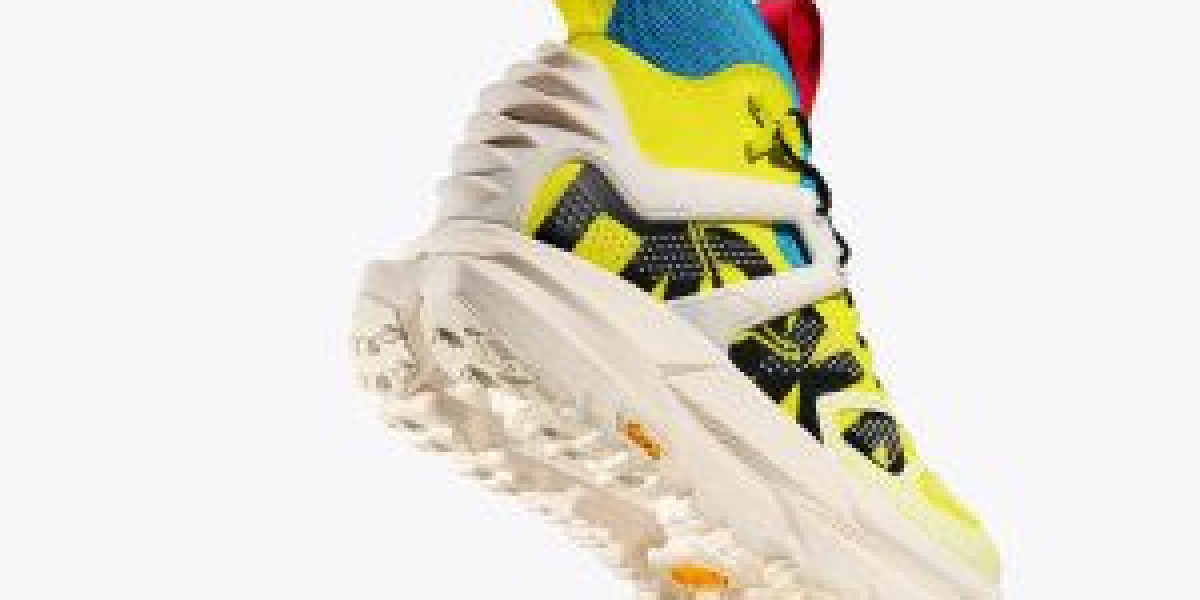

The landscape of trail running has shifted significantly over the past decade. For years, the prevailing wisdom suggested that to run on trails, you needed a thin shoe with minimal cushioning to feel every pebble and root under your feet. The theory was that better ground feel led to better balance. However, as the sport evolved and runners began tackling longer distances and more technical terrain, a different philosophy emerged. This is where the distinct profile of the Hoka trail shoe category became a game changer for many athletes.
Whether you are a seasoned ultra runner or someone just looking to start exploring local hiking paths, understanding the mechanics behind these shoes is vital. It is not just about the thick foam that catches your eye in the store. It is about the geometry, the stability, and the intended purpose of the engineering.
The Evolution of Maximalist Trail Running
When we talk about this specific style of hoka trainers ,we are entering the realm of maximalist design. Maximalism in running footwear is essentially the opposite of the barefoot movement. Where other shoes aim to reduce material to mimic the natural foot, this design approach aims to provide a protective barrier between the athlete and the earth.
The primary goal here is impact mitigation. When you spend hours pounding down rocky descents or navigating jarring root systems, your joints take a massive beating. The foam found in these shoes acts as a shock absorber. By increasing the volume of the midsole material, the design spreads the force of each foot strike over a larger surface area. This does not necessarily make the shoe heavy, as modern foams are incredibly lightweight, but it does fundamentally change how you interact with the trail.
Understanding the Meta Rocker Geometry
One of the most defining characteristics you will notice in this category is the rocker sole. If you look at the shoe from the side, you will see a distinct curvature from the heel to the toe. This is not merely an aesthetic choice. It is a piece of kinetic engineering known as the meta rocker.
In a traditional flat running shoe, you have to use your own ankle and calf muscles to propel yourself forward during the transition from midfoot to toe off. This can lead to fatigue over long miles. The rocker geometry is designed to mimic the natural rolling motion of the gait cycle. It essentially creates a fulcrum that helps roll you forward, encouraging a smoother transition and potentially reducing the energy cost of each stride.
For trail runners, this is particularly beneficial on long uphill climbs or when legs start to feel heavy toward the end of a mountain run. The shape does the work for you, helping you maintain momentum even when your muscles are screaming for a break.
The Concept of the Active Foot Frame
While high cushioning is the headline feature, it is worth discussing the stability aspect. One common misconception is that a thick stack height makes a shoe unstable, like standing on a block of marshmallows. If the foot is just sitting on top of the foam, that would be true. However, these shoes employ what is known as an active foot frame.
Think of this as a bucket seat in a race car. Instead of your foot sitting on top of the foam, the midsole is engineered to cradle the foot deeply inside the material. Your heel and midfoot are essentially wrapped by the sidewalls of the midsole. This construction provides a sense of connection and security. It allows you to have that high cushioning without sacrificing the stability needed to navigate uneven, rocky, or technical terrain.
Navigating Terrain with Purpose
Not all trails are created equal, and your footwear choice should reflect the environment. The design of these shoes allows for great versatility, but understanding the outsole is key.
Loose Terrain: When running on loose dirt, scree, or gravel, the depth and pattern of the lugs are everything. The rubber compounds used in this category are generally soft and tacky, designed to grab onto rock and provide traction.
Muddy Conditions: For deeper mud, you need lugs that are spaced out wide enough that they do not clog up with debris. The design philosophy here usually favors aggressive, multidirectional lugs that provide bite in soft ground.
Hard Pack and Rock: If your local trails are mostly hard packed dirt or granite, you do not necessarily need massive lugs. Instead, you want a surface area that provides high friction. The wider base of the shoe acts like a snowshoe, distributing your weight and helping you stay on top of the surface rather than sinking in.
Fitting and Break In
Because of the unique geometry and cushioning, these shoes often feel different from your daily road trainers. If you are used to a lower profile shoe, the first time you put them on, you might feel like you are standing on stilts. This is a common sensation, and it usually disappears after a few minutes of movement.visit hokatrainersuk.com to check more collection of hoka.
When sizing, remember that feet tend to swell during long runs. It is common practice among experienced trail runners to size up by a half size to allow for that natural expansion. Furthermore, the rocker shape requires your foot to flex in specific ways. Take the time to ensure the arch fits your foot properly. If the arch feels intrusive or misaligned, the rocker might cause friction rather than helping with the transition.
Break in periods are generally short, but it is always wise to take these shoes out for a few shorter runs before attempting a long mountain adventure. This allows the foam to compress slightly and the upper materials to soften, ensuring you do not develop hot spots or blisters when the miles count the most.
Durability and Maintenance
The lifespan of a high cushion shoe is often a topic of debate. Foam, no matter how advanced, will eventually pack out. You might notice that after several hundred miles, the shoe feels less responsive or "dead." This is a sign that the cell structure of the foam has been compressed and no longer provides that original bounce.
To extend the life of your gear, avoid keeping the shoes in direct sunlight or extreme heat, as this can degrade the rubber and foam compounds prematurely. After a muddy run, rinse the mud off with cool water and let them air dry away from direct heat sources. Never put them in a washing machine, as the heat and agitation can ruin the glue bonds and the integrity of the mesh upper.
Making the Final Decision
Choosing footwear is a personal journey. There is no single shoe that is perfect for every person or every trail. The decision to switch to a maximalist trail shoe should be based on your specific needs. Are you looking for more protection for your joints? Do you struggle with fatigue on long descents? Do you want a shoe that helps you feel efficient over long distances?
If you answered yes to these questions, the technology inherent in this category of footwear offers a compelling solution. The combination of shock absorption, rockered geometry, and an active foot frame is designed to keep you moving comfortably on the trail for as long as your heart desires. It is all about finding that balance between protection and performance.
Frequently Asked Questions
Are Hoka trail shoes good for technical terrain? Yes, they are suitable for technical terrain because the active foot frame cradles your foot deep within the midsole, providing the lateral stability needed to navigate rocks and roots effectively.
How long do these trail shoes typically last? Most runners find they get between 300 and 500 miles out of these shoes. The exact lifespan depends on the terrain intensity, your running form, and your body weight.
Why is there so much foam in these shoes? The extra foam serves as an impact dampener. It absorbs the shock of repetitive foot strikes, which helps reduce muscle fatigue and joint strain during long duration runs on uneven surfaces.