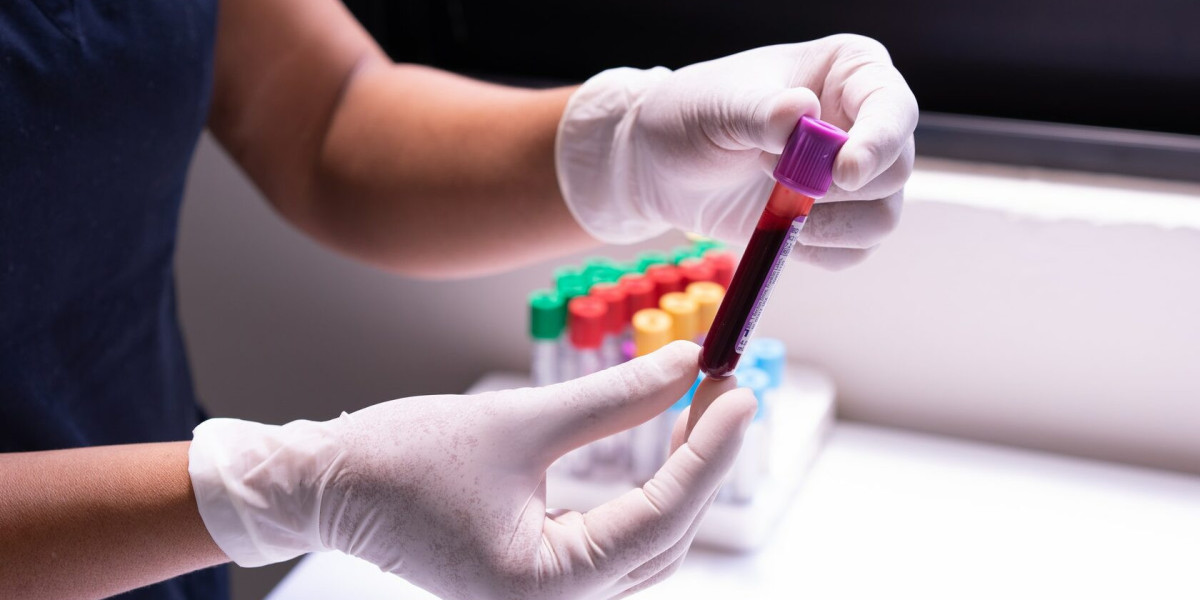

Marriage is often seen as a union of love, trust, and shared dreams, but it is also a long-term partnership that involves health, genetics, and future family planning. While couples spend months preparing for ceremonies, outfits, and venues, one crucial step is often overlooked: the Marriage Blood Test in Dubai. This simple yet powerful medical screening can provide vital insights into your health status, genetic compatibility, and potential risks that may affect your future together.
What Is a Marriage Blood Test and Why Does It Matter?
A marriage blood test is a pre-marital health screening designed to identify underlying medical conditions, infectious diseases, and genetic disorders that could impact both partners or their future children. It is not about questioning compatibility in an emotional sense but ensuring transparency in health matters. By undergoing this test, couples gain a clearer understanding of their physical well-being, making it easier to make informed decisions.
From detecting blood group compatibility to identifying hereditary conditions, this test acts as a preventive healthcare measure. It aligns with modern medical advice that emphasizes early diagnosis and proactive health management.
The Hidden Health Risks Couples Often Miss:
Many individuals assume they are healthy simply because they feel fine. However, several conditions remain silent until they become serious. A marriage blood test can uncover issues such as:
- Genetic disorders like thalassemia or sickle cell anemia
- Infectious diseases including hepatitis B, hepatitis C, and HIV
- Hormonal imbalances or chronic illnesses
- Blood group incompatibility, especially Rh factor concerns
These findings are not meant to create fear but to encourage awareness. Early detection allows couples to seek medical advice, treatment options, or preventive strategies before starting a family.
Protecting Future Generations Through Genetic Screening:
One of the most significant benefits of a pre-marital blood test is its role in genetic counseling. If both partners carry the same genetic mutation, there is a higher risk of passing certain disorders to their children. For example, if both individuals are carriers of thalassemia, their child may inherit a severe form of the disease.
Understanding these risks beforehand enables couples to explore options such as medical guidance, assisted reproductive techniques, or lifestyle adjustments. This proactive approach reflects responsible parenting even before conception.
Building Trust and Transparency in Relationships:
Health discussions can sometimes feel uncomfortable, but they are essential for a strong and honest relationship. Taking a marriage blood test together fosters openness and mutual responsibility. It shows that both partners are committed not only to each other emotionally but also to each other’s well-being.
Transparency in health matters reduces the chances of future misunderstandings or conflicts. It creates a foundation of trust where both individuals feel secure sharing sensitive information.
Blood Group Compatibility and Its Real Impact:
While blood group compatibility is often surrounded by myths, it does have medical significance, particularly regarding the Rh factor. If one partner is Rh-positive and the other is Rh-negative, it may lead to complications during pregnancy. However, modern medicine offers effective solutions to manage such situations.
A Marriage Blood Test helps identify these factors early, allowing couples to consult healthcare professionals and plan accordingly. This ensures a safer pregnancy and reduces potential health risks for both mother and child.
Preventing the Spread of Infectious Diseases:
Another critical aspect of pre-marital screening is the detection of infectious diseases. Conditions like HIV, hepatitis, and other blood-borne infections can be managed effectively if diagnosed early. Without testing, these diseases may go unnoticed and pose risks to both partners.
By identifying such conditions, couples can take preventive measures, seek treatment, and protect each other’s health. This step is not about stigma but about responsibility and care.
Emotional and Psychological Benefits of Early Testing:
Beyond physical health, a marriage blood test also contributes to emotional peace of mind. Knowing your health status reduces anxiety and uncertainty. Couples can enter marriage with confidence, free from hidden concerns that might surface later.
Moreover, addressing potential health issues together strengthens the bond between partners. It transforms challenges into shared responsibilities rather than individual burdens.
Aligning With Modern Healthcare Practices:
In today’s world, preventive healthcare is more important than ever. Medical experts strongly recommend routine health screenings, especially before major life decisions like marriage. A marriage blood test fits perfectly into this approach, acting as a safeguard for long-term well-being.
Many healthcare systems and organizations advocate for pre-marital screening as a standard practice. It reflects a shift toward informed decision-making and responsible living.
Common Misconceptions About Marriage Blood Tests:
Despite its benefits, several myths surround the concept of a marriage blood test. Some believe it questions the strength of a relationship, while others think it is unnecessary if both partners appear healthy. In reality, the test is purely a medical precaution.
Another misconception is that it can predict compatibility in terms of personality or emotions. This is not true. The purpose of the test is strictly related to health and genetics, not personal relationships.
When Should Couples Consider Taking the Test?
Ideally, a marriage blood test should be done a few months before the wedding. This allows enough time to address any findings, seek medical advice, and make informed decisions. Early testing ensures that couples are fully prepared for the next stage of their lives.
It is also beneficial for couples planning to start a family soon after marriage. Early screening helps in creating a clear roadmap for a healthy pregnancy and child development.
A Practical Step Toward a Healthier Marriage:
Taking a marriage Lab tests is not a complicated process. It involves a simple blood sample and a series of standard medical tests. The results provide valuable insights that can guide couples in making better health choices.
This small step can have a significant impact on the quality of life for both partners and their future children. It reflects a commitment to long-term health and happiness.
Final Thoughts on Making Informed Decisions:
Marriage is a lifelong journey that goes beyond emotional connection. It involves shared responsibilities, including health and family planning. A marriage blood test is a practical and responsible step that ensures both partners enter this journey with clarity and confidence.
By prioritizing health screening, couples demonstrate care, foresight, and mutual respect. It is not just about preventing problems but about building a strong foundation for a healthy and fulfilling life together.