
Applying for a visa can feel overwhelming, especially when medical requirements come into play. One of the most common yet misunderstood steps is the Visa Blood Test Dubai. For first-time applicants, this process often raises questions about preparation, procedures, and outcomes. This complete guide explains everything you need to know in a clear and practical way, helping you move forward with confidence.
Understanding the Role of a Visa Blood Test in Immigration:
A visa blood test is a crucial part of the immigration medical examination required by many countries. It helps authorities assess whether an applicant meets public health standards before entering the country. These tests are not designed to exclude people unfairly but to prevent the spread of infectious diseases and ensure public safety.
During the visa medical exam, healthcare professionals collect blood samples to screen for specific conditions. The results are then reviewed alongside other medical checks, forming a comprehensive health profile of the applicant.
Why First-Time Applicants Should Take It Seriously?
For those applying for a visa for the first time, the blood test is more than just a routine procedure. It directly impacts the progress of your visa application. Missing this step or misunderstanding its importance can lead to delays or additional requirements.
Many applicants assume that general health is enough, but immigration health screening follows strict guidelines. Even minor errors, such as incomplete documentation or improper preparation, can affect your results. Taking the process seriously ensures a smoother experience.
What Does a Visa Blood Test Typically Check?
The visa blood test focuses on identifying specific infectious diseases and health conditions. While requirements may vary depending on the destination country, most tests commonly include screening for:
HIV status, which is checked to understand immune system health
Hepatitis B and C, which are liver-related infections
Syphilis and other sexually transmitted infections
General blood health indicators that may reveal underlying conditions
These screenings are part of a broader immigration medical test and are conducted under standardized protocols to maintain accuracy.
Preparing for Your Visa Blood Test the Right Way:
Preparation plays a significant role in ensuring accurate results. While a Visa Blood Test is usually straightforward, there are a few important steps to follow before your appointment.
Make sure to carry all required documents, including your passport and visa application details. Stay hydrated, as this helps with easier blood sample collection. In some cases, fasting may be required, although this depends on the specific medical guidelines you are given.
Avoid alcohol and heavy meals before the test, as these can sometimes influence certain blood parameters. Getting enough rest the night before is also helpful, as stress and fatigue can subtly affect your overall health readings.
Step-by-Step Process of the Visa Blood Test:
Knowing what happens during the test can ease anxiety. The process is simple and typically completed within a short time.
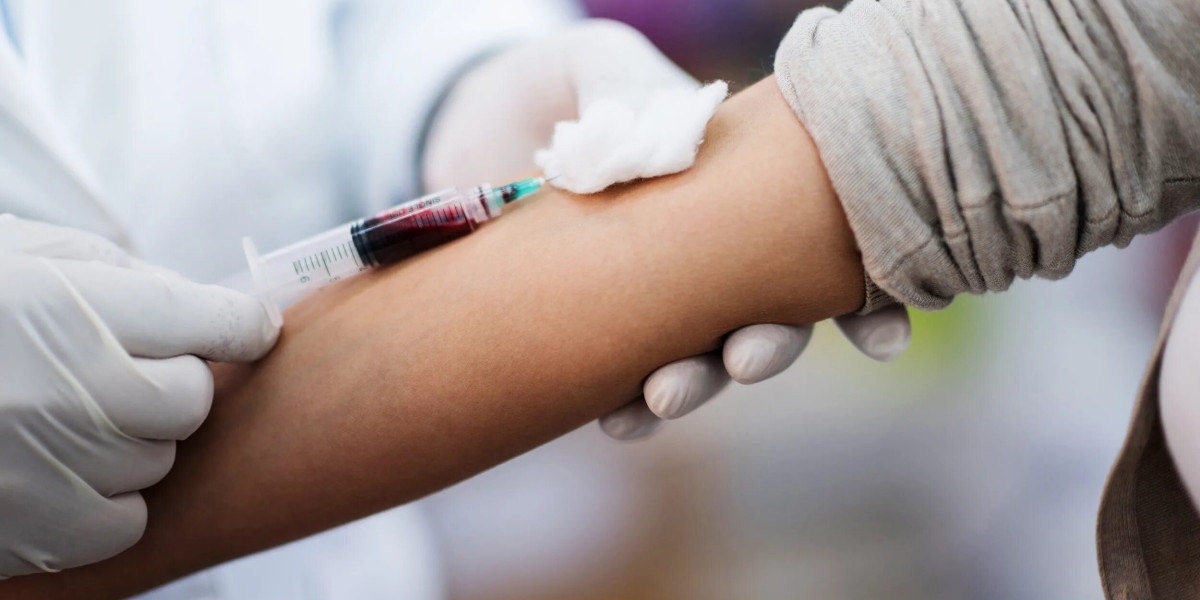
First, you will check in at the authorized medical center and verify your identity. A healthcare professional will then explain the procedure and prepare the equipment. A small blood sample is drawn from your arm using a sterile needle. The process usually takes only a few minutes.
After the sample is collected, it is sent to a laboratory for analysis. Results are then forwarded to the relevant immigration authorities or added to your medical report.
How Long Does It Take to Get Results?
The waiting time for visa blood test results varies depending on the laboratory and country requirements. In most cases, results are available within a few days. However, additional testing or verification may extend the timeline.
Applicants are generally not required to submit the results themselves, as the medical center often sends them directly to the immigration office. Still, it is important to confirm this process during your appointment.
Common Concerns and Misconceptions:
Many first-time applicants worry unnecessarily about the visa blood test. One common misconception is that any minor health issue will lead to rejection. In reality, only specific conditions that pose public health risks are considered significant.
Another concern is the fear of needles or discomfort during the procedure. The blood draw is quick and performed by trained professionals, making it a safe and manageable experience.
Some people also believe that test results can be influenced easily, but laboratories follow strict standards to ensure accuracy and reliability.
What Happens If There Are Abnormal Results?
If your visa blood test shows abnormal findings, it does not automatically mean your application will be denied. Instead, further evaluation may be required. This could include additional tests or medical reports to clarify your condition.
In some cases, applicants may need to undergo treatment or provide proof of medical management. Immigration decisions are usually based on the severity and impact of the condition rather than the presence of a diagnosis alone.
Tips to Avoid Delays in Your Visa Medical Process:
Delays in visa processing can often be traced back to incomplete or incorrect medical procedures. To avoid this, always schedule your visa blood test with an authorized medical center. Double-check your documents before the appointment and follow all preparation instructions carefully.
Arriving on time and cooperating during the examination also helps streamline the process. Keeping track of your appointment details and maintaining communication with the medical facility ensures that any issues are resolved quickly.
The Importance of Accuracy and Transparency:
Honesty is essential during your visa medical examination. Providing accurate medical history and answering questions truthfully helps healthcare professionals conduct a proper assessment. Attempting to hide information can lead to complications later in the process.
Transparency not only supports your application but also ensures that you receive appropriate guidance if any health concerns are identified.
Final Thoughts for First-Time Applicants
The visa Lab tests may seem like a small step, but it plays a vital role in your overall immigration journey. Understanding its purpose, preparing properly, and following the correct procedures can make the experience smooth and stress-free.
For first-time applicants, the key is to stay informed and organized. With the right approach, the visa medical exam becomes a straightforward requirement rather than a source of anxiety. By taking this step seriously and following best practices, you can move closer to achieving your travel or relocation goals with confidence.