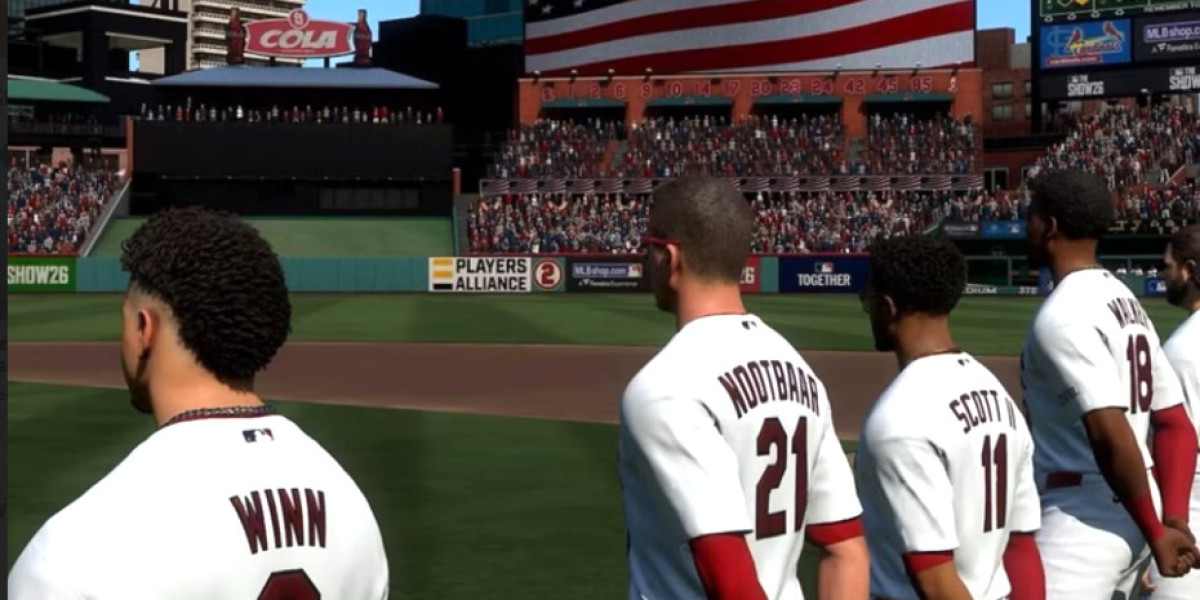

I've never had much patience for those so-called God Squad videos. You know the type. A creator rips open packs, yells over every animation, then flashes a lineup full of 99s like that alone proves anything. Most of the time it just feels like a budget showcase with no real test behind it. That's why Littleman17's MLB The Show 26 team-building ideas stood out to me. He wasn't just chasing the prettiest ratings or dumping MLB stubs into the biggest names. He was building around matchups, glove work, pitch shape, and how each card actually plays once the game starts.
Why the usual approach falls apart
That shift matters more than people think. In this year's meta, a lineup stacked with raw power can still feel clunky if the defense leaks runs or the order has no balance. Same goes for pitching. A bunch of hard throwers looks scary on paper, but online? Good hitters catch up fast. If every arm attacks on the same plane, you're done. Littleman's logic is different. He mixes speeds, arm slots, and movement so hitters never get comfortable. It's less about overpowering people and more about making them guess wrong, then keeping the ball in front of elite defenders when they do make contact.
What happened over a full week
I wanted something better than a first-impression take, so I ran a full week of ranked games on PS5 and rotated through three squads. First was Littleman's actual build. Second was my own comfort team, the one I'd trusted for weeks. Third was the obvious experiment: the highest-rated, most expensive cards I could throw together with no real plan. After 40 games, the difference was hard to ignore. The fit-based squad simply played cleaner. The catcher stole strikes. The shortstop turned balls in the hole into outs. Center field covered mistakes that would've been doubles with other teams. You notice it fast, and once you do, it's tough to pretend those runs don't matter as much as one extra power bat.
The bench actually means something
What really sold me was how useful the whole roster felt. A lot of players build benches like spare parts. Littleman doesn't. Every bench spot has a job. One bat for lefty relief, one for velocity, one guy who can run and defend late. That sounds basic, but in tight ranked games it changes your options completely. You stop playing on autopilot. You start managing innings, not just hoping for a moonshot. Even the rotation felt more annoying to face than some “better” groups I've used, because nothing repeated too neatly. That unpredictability matters way more than people admit.
What I'd change going forward
After testing all three setups, I don't really buy into pure overall chasing anymore. Ratings still matter, sure, but they don't tell the whole story. Team building in MLB The Show 26 feels stronger when it has a purpose behind it, and that's true whether you grind cards, flip the market, or take chances on MLB The Show 26 packs during a promo and try to fill specific holes in the roster. The biggest lesson for me was simple: the best squad isn't always the flashiest one. It's the one that makes every inning awkward for your opponent and a little easier for you.