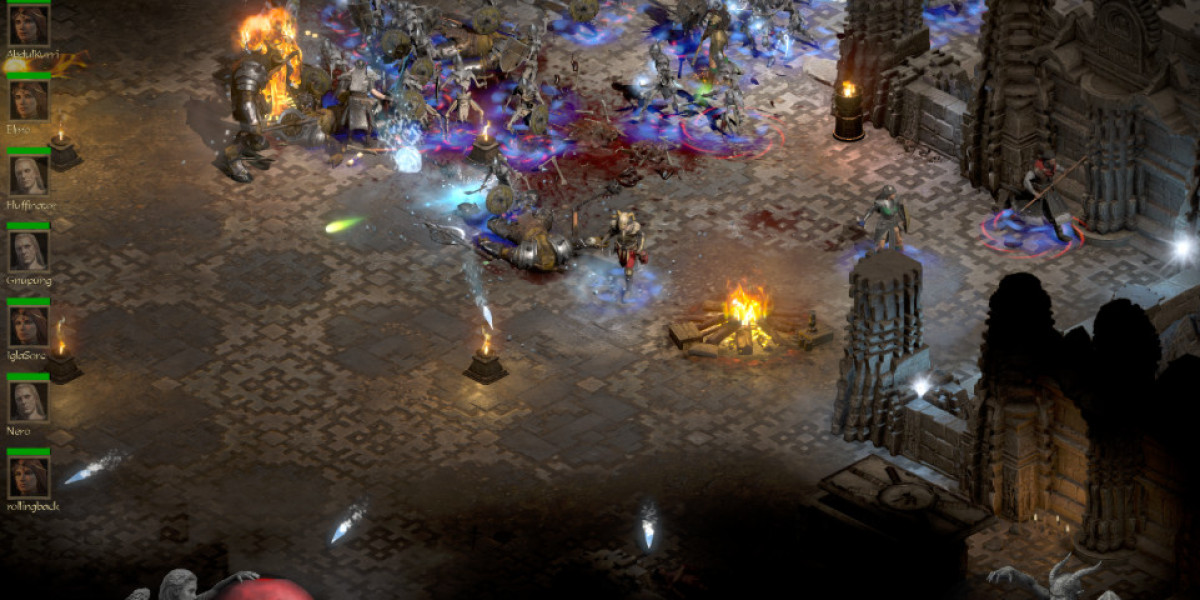

In Diablo II: Resurrected, the distinction between walking and running might seem trivial at first glance, but it plays a crucial role in both combat strategy and overall gameplay experience. The game's core combat mechanics revolve around positioning, resource management, and enemy behavior. How players move—whether walking or running—can influence their ability to D2R Ladder Items survive, maximize damage output, and control the flow of combat.
Understanding Walk vs. Run
In Diablo II: Resurrected, players have the option to either walk or run as they navigate the world and engage in combat. These two movement options are more than just aesthetic choices; they have practical implications for how players interact with the game’s complex systems.
Walking is the default movement speed. It is slower than running but offers more precise control over character positioning. In this state, the character’s movements are more deliberate, allowing players to move more methodically through dense areas, such as during combat encounters where enemies are more numerous or dangerous.
Running, on the other hand, is faster. It allows players to move more swiftly from one area to another, making it ideal for exploration, escaping dangerous situations, or dodging incoming attacks. Running, however, comes at the cost of reduced control. The character is more likely to overshoot the intended position, which can sometimes be problematic when engaging in precise attacks or positioning against enemies.
Combat Implications of Walk vs. Run
The walk vs. run dynamic has a direct influence on combat encounters in Diablo II: Resurrected. Whether you choose to walk or run will shape the way you approach the game’s battles and can even make the difference between life and death.
1. Mobility and Positioning
One of the most significant factors in Diablo II combat is positioning. Certain enemies are designed to overwhelm players with sheer numbers, while others rely on precise mechanics like elemental attacks or charging moves. When running, players risk losing tight control over their character’s movements, which can make it harder to dodge attacks or get into the ideal position for ranged combat.
On the other hand, walking allows players to carefully control their approach. In battles with tricky mobs or during boss fights where positioning is critical, walking enables you to better weave in and out of danger zones, avoiding damage while still dealing hits. When facing ranged enemies, the slower pace of walking can give you more time to avoid projectiles and plan your counterattacks.
2. Energy and Stamina Management
While the stamina bar in Diablo II: Resurrected doesn’t have as prominent a role in combat as health or mana, it’s still an important factor. Running consumes stamina, and if a character’s stamina runs out, they’ll be forced to walk until it regenerates. This becomes especially relevant during long fights where running in and out of combat is necessary.
In extended battles, running without considering stamina levels can leave a character vulnerable to an unexpected surge of enemy attacks. Players must be strategic about when to run and when to walk, balancing the desire for speed with the need for caution.
3. Attack Speed and Mobility
One of the key nuances of Diablo II: Resurrected is how different types of attacks (melee, ranged, and spells) interact with movement. Many melee characters, such as Barbarians or Paladins, benefit from walking because it allows for more accurate swings without risking overextending their position. For these characters, carefully timed attacks can make a huge difference in crowd control or boss fights.
Ranged characters, like Amazon Archers or Sorceresses, often prefer running when dodging enemy attacks, as it allows them to maintain distance while continuously firing. However, even ranged characters need to take advantage of walking when positioning themselves for optimal shots, such as during boss fights where precision is critical.
4. Risk and Reward in Exploration
Outside of combat, running can be a double-edged sword. On one hand, it allows for quick exploration and helps players reach objectives or escape danger zones. On the other hand, running too recklessly can lead to triggering unwanted encounters or rushing into traps. Walking provides a more measured pace, making it easier to survey the environment and avoid engaging in battles that might not be necessary at the moment.
Conclusion
In Diablo II: Resurrected, the choice between walking and running is an integral part of the cheap D2R Gold player’s overall strategy. While running allows for speed and agility, it sacrifices precision and stamina management. Walking, while slower, gives players more control over their positioning and attacks, which is crucial in higher-difficulty settings.