The construction industry is evolving unpredictably as groups move away from manual calculations and earlier spreadsheets to intelligent virtual systems. Accurate quantity forecasting is one of the most important elements of work planning. Now, we rely on grounded information structures to increase forecast accuracy and prevent tampering
The smart record structure plays a key role in helping manufacturing specialists plan, test, and anticipate production quantities before production starts. By collecting real-time project reports, integrating software tools, and improving verbal exchanges between departments, companies can make faster and smarter choices. From residential properties to large business ventures, higher predictability creates more powerful profitability and smoother operations.
Traditional amount forecasting relied on standard discrete workflows, with design teams, procurement groups, and estimators working one after the other. This often led to duplicate images, erroneous reporting, and high-value errors. Modern fact structures solve those demanding situations by helping to foster a connected environment where facts flow seamlessly between teams.
As virtual transformation continues to transform the manufacturing business, companies that spend money on intelligent predictive systems will reap the benefits of a competitive advantage. Good planning leads to reduced waste, progressive timelines, and improved consumer confidence.
Building Strong Foundations Through Structured Building Data
Building forecasting begins with Lumber Takeoff of first-rate facts. Each task provides a huge amount of records, including fabric specifications, efforts, dealer prices, system costs, debugging programs, blueprinting treatments, and so on. Without the right employer, these statistics are difficult to manage.
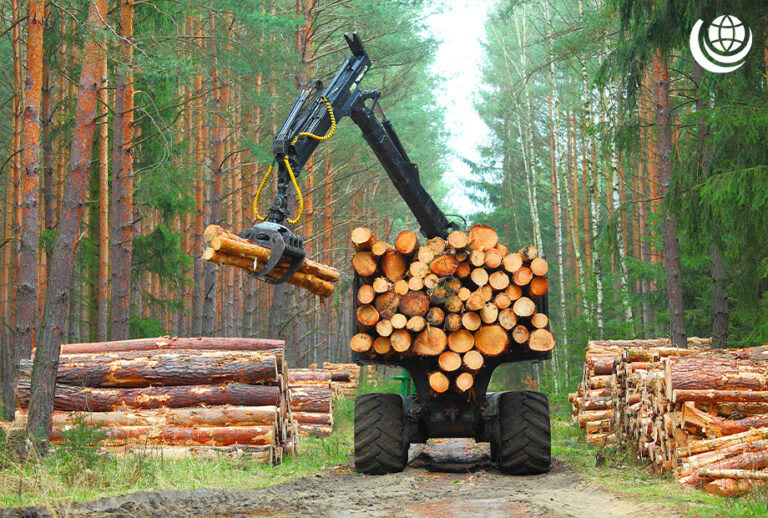
The smart statistical infrastructure centralizes all challenge-related records directly into unmarried smart device, where groups can access detailed records without hassle. Cloud-predominantly based structures allow assessors and challenge managers to collaborate in real-time while minimizing verbal exchange gaps.
A properly grounded database also improves the accuracy of content prediction. For example, an accurate lumber flight allows teams to calculate actual lumber requirements for framing, flooring, ceilings, and structural factors. Accurate dosing minimizes overruns and reduces unnecessary waste.
When project schedules are well organized, forecasting becomes faster and more reliable.
The Role of Automation in Quantity Forecasting
Manual selection is usually time-consuming and extremely susceptible to human error. Automation makes it possible to eliminate these inefficiencies by using digital equipment to expedite system task data.
Modern forecasting software can typically extract sections from virtual blueprints, estimate older tasks, and generate reports in real time. This reduces repetitive liability and allows experts to take strategic planning into account.
Automation additionally improves consistency across more than one project. Standardized workflows ensure that every assessment follows the same order, reducing inconsistencies between teams.
Automated forecasting systems allow companies to respond quickly to design changes and market fluctuations.
Read More: Dimensional 2×6 Lumber Sizes Applied in Building and Remodeling of Home
Improving Cost Accuracy Through Digital Estimating Solutions
Budget accuracy is certainly one of the biggest demanding conditions in production. Variable material costs, lack of diligence, and design adjustments can quickly affect overall task costs.
Professional construction estimating services help companies boost cost forecasting by using a combination of best-in-class software tools with effective industry information. These services provide accurate volume calculations, effort estimates, and pricing estimates.
Digital rating systems can adjust supplier quotes and identify price trends, allowing companies to make smarter purchasing choices.
Accurate forecasting protects profit margins while helping clients feel extra confident about project budgets.
Cloud Integration for Real-Time Project Visibility
Construction efforts involve multiple groups running in unusual locations. Without real-time visibility, important updates can be overlooked.
Cloud integration allows architects, contractors, suppliers, and project managers to access up-to-date data from anywhere. Everyone works with the present by going under info, reducing the communication delays.
Real-time dashboards provide valuable insights into fabric utilization, inventory titles, and upcoming purchase orders.
This visibility makes it easier for teams to prevent deficiencies and maintain debugging momentum.
Using Predictive Analytics to Make Smarter Decisions
Predictive analytics is reworking the way manufacturing operations forecast quantities. Rather than relying solely on historical data, advanced systems use equipment recognition algorithms to anticipate material requirements.
These tools examine past projects, weather conditions, labor costs, and market trends to increase forecast accuracy.
Predictive insights help organizations prepare for supply chain disruptions and unexpected business changes.
Smarter choices lead to more powerful economic outcomes.
reduce waste and increase profitability
Physical waste in creation projects remains a monetary problem of the first order. Over-ordering creates wasteful costs, while the reasons for under-ordering are delayed.
A specialist construction estimating company can help companies reduce waste by improving quantity forecasting accuracy. Good forecasting ensures that ingredients arrive at the right time and in the right quantity.
Waste reduction additionally supports environmental sustainability dreams by reducing excess materials sent to landfills.
Improved performance directly increases challenge profitability.
Future Trends in Intelligent Building Forecasting
The future of building forecasting may be powered by artificial intelligence, virtual pairings, and superior analytics platforms.
Digital twins allow workgroups to simulate a production strategy before physical work begins.
IoT devices can also provide real-time garment monitoring for greater operational control.
Companies that incorporate these innovations will stay ahead of corporate competition.
Read More: 10-facts-about-purple-heart-wood-characteristics/
Final Thoughts
The Smart Facts architecture changes how creation experts manipulate quantity forecasting. Accurate forecasting improves budgeting, reduces waste, strengthens task timelines, and complements customer success.
As manufacturing efforts become extra complex, organizations must have current systems that provide real-time visibility and prediction. Companies that rely on outdated strategies may also struggle to compete in a rapidly changing marketplace.
Investing in smarter forecasting technology today will create stronger event tracking later in the day.
Questions and Answers
Why is quantitative forecasting important in construction?
Quantity forecasting helps contractors accurately estimate materials, labor, and fees before construction begins. This reduces waste and prevents budget surpluses.
How does smarter slab architecture improve the creation process?
It centralizes business reports, strengthens collaboration, and provides real-time insights that help groups make better choices.
Can small manufacturing companies benefit from a predictive software program?
Yes, small businesses can improve performance, reduce errors, and compete more thoroughly with the help of using applicable forecasting tools.
Which technologies are shaping the future of creation forecasting?
Artificial intelligence, cloud computing, predictive analytics, and digital twins are the main future improvements in construction prediction.