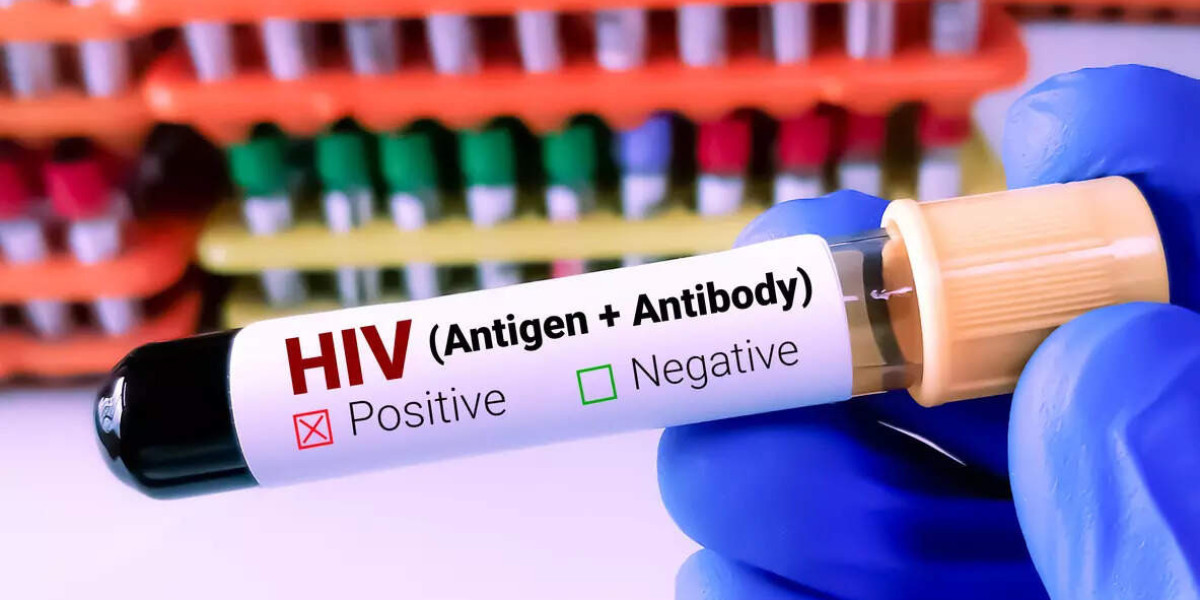

An HIV Blood Test in Dubai is one of the most reliable ways to detect the presence of the human immunodeficiency virus in the body. Despite advancements in medical science and widespread awareness campaigns, many people still hesitate to get tested due to fear, confusion, or misinformation. Understanding how the test works, when to take it, and what the results mean can help remove uncertainty and empower individuals to take control of their health.
What Is an HIV Blood Test?
An HIV blood test is a diagnostic procedure used to identify whether HIV infection is present in the body. It works by detecting either antibodies, antigens, or the virus itself in a blood sample. Unlike older testing methods, modern HIV screening techniques are highly accurate and can detect infection earlier than ever before.
There are different types of HIV blood tests commonly used today, including antigen/antibody combination tests and nucleic acid tests (NAT). Each type varies in how soon it can detect the virus after exposure, making timing an important factor.
How the HIV Blood Test Works?
To understand the testing process, it helps to know what the test is actually looking for. When HIV enters the body, the immune system responds by producing antibodies. Some tests detect these antibodies, while others identify the p24 antigen, a protein produced by the virus shortly after infection.
In more advanced cases, nucleic acid testing can directly detect the virus’s genetic material. This type of HIV detection is often used in high-risk situations or when early diagnosis is critical.
The procedure itself is simple. A healthcare professional collects a small blood sample, usually from a vein in your arm. The sample is then analyzed in a laboratory, and results are typically available within a few days, depending on the testing method.
When Should You Get an HIV Blood Test?
Timing plays a crucial role in HIV testing accuracy. After exposure to HIV, there is a period known as the window period. During this time, the virus may not be detectable even though infection has occurred.
For most modern antigen/antibody tests, the window period is approximately 2 to 6 weeks. Nucleic acid tests can detect the virus even earlier, sometimes within 10 to 14 days after exposure.
You should consider getting tested if you have had unprotected sexual contact, shared needles, experienced a potential exposure, or simply want routine health screening. Regular HIV testing is recommended for individuals with higher risk factors, but it is also a responsible step for anyone who is sexually active.
Types of HIV Blood Tests Explained:
There are three primary categories of HIV blood testing, each designed for different situations.
Antigen/antibody tests are the most commonly used and are considered highly reliable. They detect both HIV antibodies and the p24 antigen, allowing for earlier detection compared to antibody-only tests.
Antibody tests focus solely on detecting the immune response to HIV. While still accurate, they may take slightly longer to provide reliable results after exposure.
Nucleic acid tests are the most sensitive and can detect HIV at a very early stage. However, they are typically used in specific cases due to higher costs and complexity.
Understanding these options helps you and your healthcare provider choose the most appropriate test based on your circumstances.
Preparing for an HIV Blood Test:
One of the advantages of an HIV blood test is that it requires minimal preparation. You do not need to fast or follow any special dietary restrictions before the test.
However, mental preparation is equally important. It is natural to feel anxious, especially if you believe you may have been exposed to HIV. Being informed about the testing process and possible outcomes can help reduce stress and make the experience more manageable.
Some individuals also find it helpful to seek counseling before testing, especially if they are dealing with uncertainty or fear.
What to Expect During the Testing Process?
The HIV blood test procedure is quick and straightforward. After arriving at the testing facility, a healthcare provider will explain the process and may ask a few questions about your medical history or potential exposure.
A small blood sample is taken using a sterile needle. The entire process usually takes only a few minutes. Afterward, you can resume normal activities immediately.
In some cases, rapid HIV blood tests may be available, providing results within the same day. However, laboratory-based tests are generally more comprehensive.
Understanding HIV Blood Test Results:
Receiving your HIV test results can be an emotional moment, so it is important to understand what they mean.
A negative result indicates that no HIV infection was detected. However, if the test was taken during the window period, follow-up testing may be necessary to confirm the result.
A positive result means that HIV has been detected in your system. In such cases, additional confirmatory tests are performed to ensure accuracy. Early diagnosis allows for timely treatment, which can significantly improve quality of life and long-term health outcomes.
An indeterminate or unclear result may occur in rare cases, requiring further testing for clarification.
Accuracy and Reliability of HIV Blood Tests:
Modern HIV blood tests are extremely accurate when taken at the appropriate time. Antigen/antibody tests have a high sensitivity and specificity, meaning they are very effective at correctly identifying both positive and negative cases.
False positives and false negatives are rare but can occur under certain conditions, such as testing too early after exposure or underlying medical factors. This is why follow-up testing and professional guidance are essential.
Benefits of Early HIV Detection:
Getting tested early offers several advantages. Early diagnosis allows individuals to begin antiretroviral therapy (ART) sooner, which helps control the virus and maintain a strong immune system.
It also reduces the risk of transmission to others, making HIV testing an important step not just for personal health but for public health as well.
Additionally, knowing your HIV status provides peace of mind and enables you to make informed decisions about your lifestyle and relationships.
Common Myths About HIV Blood Testing:
There are many misconceptions surrounding HIV testing that can discourage people from getting tested.
One common myth is that HIV tests are painful or complicated. In reality, the process is quick and involves only a simple blood draw.
Another misconception is that testing is only necessary for high-risk individuals. In truth, routine HIV screening is recommended for everyone as part of general healthcare.
Some people also believe that a negative result guarantees lifelong safety. However, ongoing risk factors mean that regular testing is important.
Emotional and Psychological Considerations:
Taking an HIV Lab tests can be emotionally challenging. Fear of the results, stigma, and uncertainty can create anxiety.
It is important to remember that support is available. Many testing centers offer counseling services to help individuals cope with their emotions before and after testing.
Open communication with healthcare professionals and trusted individuals can also make the experience less overwhelming.
Conclusion: Taking Control of Your Health
An HIV blood test is a powerful tool for protecting your health and well-being. By understanding how the test works, when to take it, and what the results mean, you can approach the process with confidence rather than fear.
Regular HIV screening, combined with awareness and preventive measures, plays a crucial role in maintaining a healthy lifestyle. Whether you are testing for the first time or as part of routine healthcare, making the decision to get tested is a proactive step toward a safer and healthier future.












