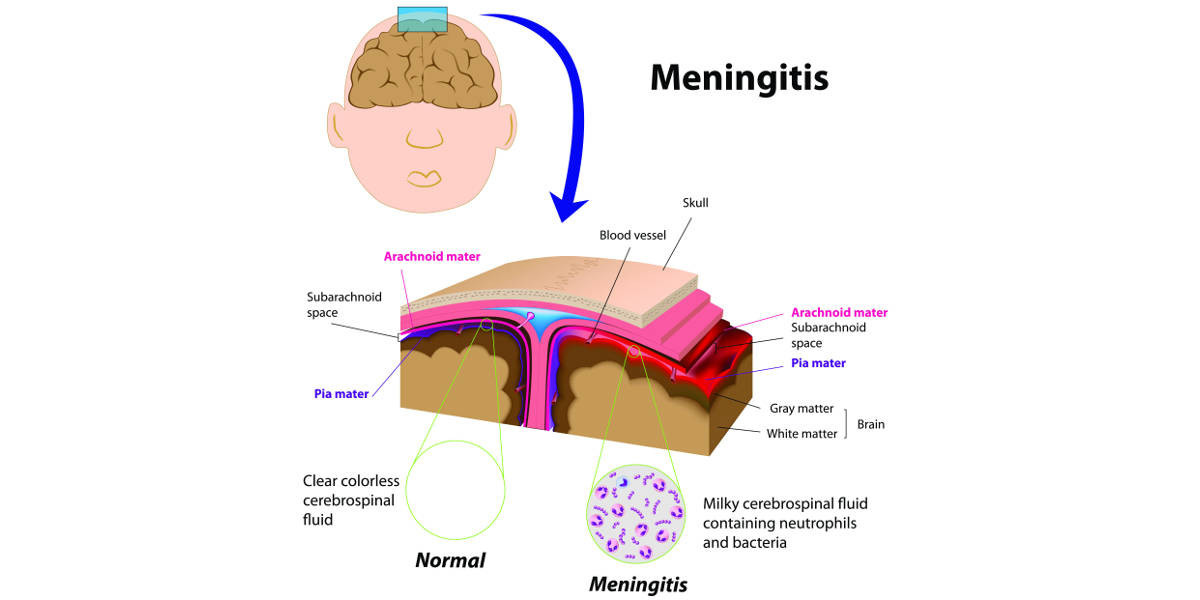

Meningitis is a serious and potentially life-threatening condition characterized by inflammation of the protective membranes (meninges) surrounding the brain and spinal cord. It can be caused by bacteria, viruses, fungi, or parasites, but bacterial meningitis is particularly dangerous due to its rapid progression and high mortality rate. Fortunately, many cases can be prevented through practical, everyday measures. Understanding prevention strategies and the role of treatments like ceftriaxone injection is critical for safeguarding individual and public health.
Understanding Meningitis
Before diving into prevention, it's important to recognize how meningitis spreads. Bacterial and viral forms are often transmitted through respiratory droplets, close personal contact, or sharing utensils, drinks, or personal items. Crowded environments such as schools, hostels, and military barracks increase the risk of transmission.
Symptoms can escalate quickly and may include high fever, stiff neck, severe headache, sensitivity to light, confusion, vomiting, and seizures. Early medical intervention is crucial, and ceftriaxone injection is commonly used as an emergency antibiotic treatment in suspected bacterial meningitis cases.
1. Get Vaccinated
Vaccination is the most effective preventive measure against meningitis. Several vaccines protect against the most common bacterial causes, including
- Meningococcal vaccines
- Pneumococcal vaccines
- Haemophilus influenzae type b (Hib) vaccine
These vaccines are especially important for infants, adolescents, travelers, and individuals with weakened immune systems. Staying up to date with immunization schedules significantly reduces the risk of infection.
2. Maintain Good Hygiene
Simple hygiene practices can go a long way in preventing the spread of meningitis
- Wash hands regularly with soap and water
- Use hand sanitizers when washing isn’t possible
- Cover your mouth when coughing or sneezing
- Avoid sharing personal items like water bottles, toothbrushes, or utensils
These habits reduce exposure to infectious agents that may lead to meningitis.
3. Strengthen Your Immune System
A strong immune system helps the body fight off infections before they become severe. Key strategies include:
- Eating a balanced diet rich in fruits, vegetables, and proteins
- Getting adequate sleep (7–9 hours for adults)
- Exercising regularly
- Managing stress effectively
People with weakened immunity are at higher risk and may require additional preventive care or monitoring.
4. Avoid Close Contact with Infected Individuals
If someone around you is diagnosed with meningitis, minimizing close contact is essential. In some cases, healthcare providers may prescribe preventive antibiotics to those who have been exposed. While ceftriaxone injection is typically used for treatment rather than prevention, it may be administered in certain high-risk exposure scenarios under medical supervision.
5. Practice Safe Travel Precautions
Certain regions, particularly parts of sub-Saharan Africa known as the “meningitis belt,” have higher rates of meningococcal meningitis. Travelers should:
- Get vaccinated before traveling
- Avoid crowded or poorly ventilated areas
- Maintain strict hygiene practices
Consult a healthcare provider before travel to determine necessary vaccinations or medications.
6. Ensure Proper Ventilation
Poorly ventilated spaces can facilitate the spread of infectious droplets. Whether at home, school, or work:
- Keep windows open when possible
- Use air circulation systems
- Avoid overcrowded indoor spaces
Improving airflow reduces the concentration of pathogens in the air.
7. Recognize Early Symptoms
Early detection can save lives. Knowing the warning signs allows for prompt medical attention, which is critical in bacterial meningitis. If symptoms appear, immediate hospitalization is necessary, where treatments like ceftriaxone injection are administered intravenously to combat the infection quickly.
8. Follow Medical Advice for High-Risk Groups
Certain individuals are more vulnerable, including:
- Infants and young children
- Elderly individuals
- People with chronic illnesses
- Those with compromised immune systems
Doctors may recommend additional vaccines, preventive antibiotics, or monitoring for these groups.
9. Avoid Smoking and Secondhand Smoke
Smoking damages the respiratory tract and weakens the body’s defenses against infections. Exposure to secondhand smoke also increases susceptibility, particularly in children. Reducing or eliminating smoking can lower the risk of infections that may lead to meningitis.
10. Seek Immediate Treatment When Needed
Despite all precautions, infections can still occur. Rapid medical intervention is critical. In suspected bacterial meningitis, doctors often begin empirical antibiotic therapy immediately, frequently using ceftriaxone injection due to its broad-spectrum effectiveness against common bacterial pathogens.
This treatment is typically administered in a hospital setting and may be combined with other antibiotics or supportive therapies depending on the severity and cause of the infection.
Conclusion
Preventing meningitis requires a combination of vaccination, hygiene, awareness, and timely medical care. While the disease can be severe, many cases are avoidable through proactive measures. Vaccines remain the cornerstone of prevention, but everyday habits like handwashing, maintaining immunity, and avoiding risky exposures play equally important roles.
In cases where prevention falls short, rapid diagnosis and treatment often involving ceftriaxone injection are essential to reduce complications and save lives. By staying informed and vigilant, individuals and communities can significantly lower the burden of meningitis and protect public health.