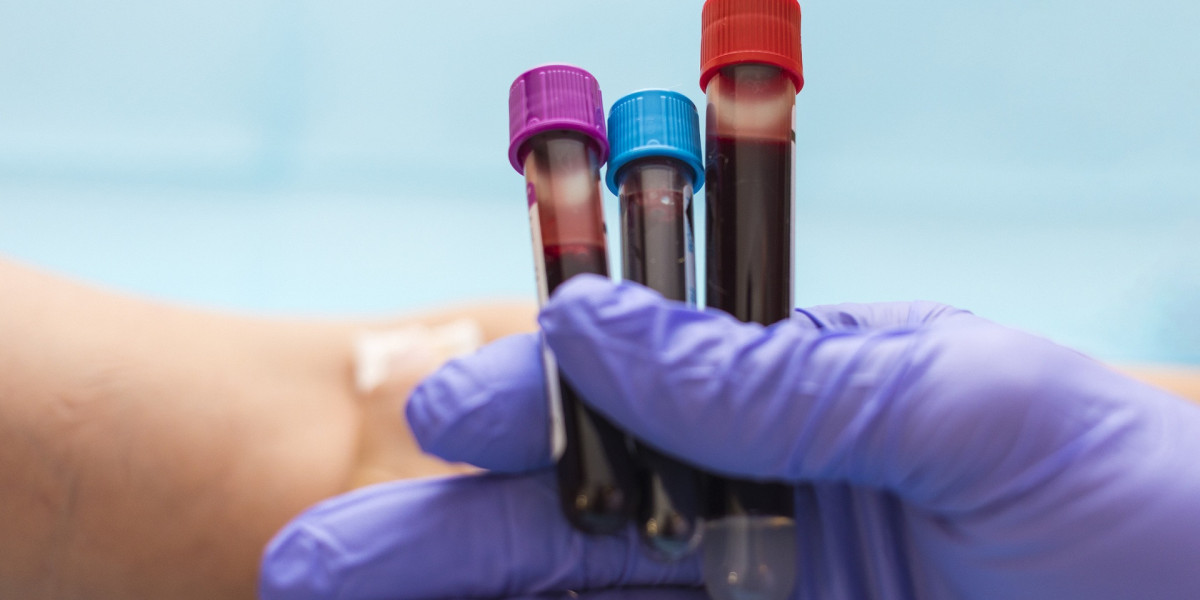

A full blood test is one of the most powerful tools in modern preventive healthcare. Whether you're planning a routine health checkup or investigating unusual symptoms, this diagnostic test provides a detailed snapshot of your internal health. By analyzing different components of your blood, doctors can detect early warning signs of disease, monitor organ function, and evaluate your overall wellness.
Understanding how a Full Blood Test in Dubai works, what it includes, and how to prepare for it can help you get the most accurate results while reducing unnecessary anxiety. This guide walks you through everything you should know before scheduling your next blood screening.
What Exactly Is a Full Blood Test?
A full blood test, often referred to as a complete blood test or comprehensive blood panel, is a laboratory analysis that examines various elements in your blood. These include red blood cells, white blood cells, platelets, hemoglobin levels, and other biochemical markers.
Unlike a basic blood test, a full blood analysis provides deeper insights into your immune system, liver and kidney function, blood sugar levels, cholesterol profile, and even vitamin deficiencies. It’s commonly used in preventive medicine to assess general health and detect conditions early.
Why Doctors Recommend a Full Blood Test?
A full blood test is not just for people who are sick. In fact, it plays a key role in preventive care and early diagnosis. Doctors often recommend it as part of an annual health screening or when patients experience symptoms such as fatigue, unexplained weight changes, or persistent infections.
This type of blood examination helps identify conditions like anemia, diabetes, infections, inflammation, and hormonal imbalances. It also supports monitoring chronic diseases and evaluating how well treatments are working. With accurate blood test results, healthcare providers can make informed decisions and personalize treatment plans.
What Does a Full Blood Test Include?
A comprehensive blood test typically consists of several important panels that provide a complete picture of your health.
A Complete Blood Count (CBC) measures red blood cells, white blood cells, and platelets, helping detect infections, anemia, and immune disorders.
A lipid profile evaluates cholesterol levels, including LDL, HDL, and triglycerides, which are essential for assessing heart health.
Liver function tests analyze enzymes and proteins to determine how well your liver is working.
Kidney function tests measure creatinine and urea levels to evaluate kidney performance.
Blood glucose testing checks sugar levels and helps identify diabetes or prediabetes.
Vitamin and mineral testing detects deficiencies such as vitamin D, vitamin B12, and iron.
Together, these components make a full body blood checkup a comprehensive health assessment tool.
How to Prepare for a Full Blood Test?
Preparation plays a crucial role in ensuring accurate blood test results. In many cases, fasting for 8 to 12 hours before the test is required, especially for glucose and cholesterol testing. Drinking water is usually allowed and can actually make the blood draw easier.
Avoid alcohol, heavy meals, and intense physical activity the day before your test, as these can affect your results. If you are taking medications or supplements, consult your doctor to determine whether you should pause them temporarily. Proper preparation ensures your diagnostic test reflects your true health condition.
What Happens During the Procedure?
A full blood test is a simple and quick procedure. A healthcare professional will clean a small area of your arm and use a sterile needle to draw a blood sample. The process usually takes only a few minutes and causes minimal discomfort.
The collected sample is then sent to a laboratory for detailed blood analysis. Results are typically available within a short period, depending on the complexity of the test. Despite being routine, this procedure provides critical insights into your body's internal functioning.
Understanding Your Blood Test Results:
Interpreting a full blood test report can feel overwhelming due to the technical terms and numerical values. Each parameter has a normal range, and values outside these ranges may indicate potential health issues.
For example, low hemoglobin levels may suggest anemia, while elevated white blood cells could indicate infection or inflammation. High cholesterol levels may increase the risk of heart disease, and abnormal liver enzymes can signal liver dysfunction.
It’s important to remember that one abnormal result does not always mean a serious condition. Doctors consider your medical history, symptoms, and lifestyle factors before making a diagnosis. Always consult a healthcare professional for an accurate interpretation of your blood screening results.
How Often Should You Get a Full Blood Test?
The frequency of a full blood test depends on your age, medical history, and overall health goals. For generally healthy individuals, an annual blood test is often sufficient as part of a routine health checkup.
However, people with chronic conditions such as diabetes, high cholesterol, or thyroid disorders may require more frequent testing. Regular blood work helps track progress, adjust treatments, and prevent complications.
Adopting a proactive approach to health monitoring can lead to early detection and better long-term outcomes.
Common Misconceptions About Full Blood Tests:
Many people believe that a full Lab tests is only necessary when symptoms appear. In reality, some serious health conditions develop silently and show no early signs. Preventive blood testing helps catch these issues before they become severe.
Another common myth is that fasting is always required. While some tests do need fasting, not all components of a comprehensive blood panel require it. Understanding these details can help you prepare correctly and avoid unnecessary inconvenience.
The Role of Full Blood Tests in Preventive Healthcare:
Preventive healthcare focuses on identifying risks before they turn into serious conditions. A full blood test is a cornerstone of this approach. By regularly monitoring key health indicators, individuals can make informed lifestyle changes and reduce the risk of chronic diseases.
From detecting nutrient deficiencies to evaluating organ function, a full blood examination empowers both patients and doctors to take control of health proactively. It also plays a vital role in personalized medicine, where treatments are tailored based on individual health data.
Final Thoughts: Take Charge of Your Health
A full blood test is more than just a routine procedure—it’s a window into your overall health. With the ability to detect early signs of disease, monitor ongoing conditions, and guide preventive care, it remains one of the most valuable diagnostic tools available today.
By understanding what to expect, how to prepare, and how to interpret the results, you can approach your next blood test with confidence. Regular health screening, combined with a healthy lifestyle, can significantly improve your quality of life and help you stay ahead of potential health risks.