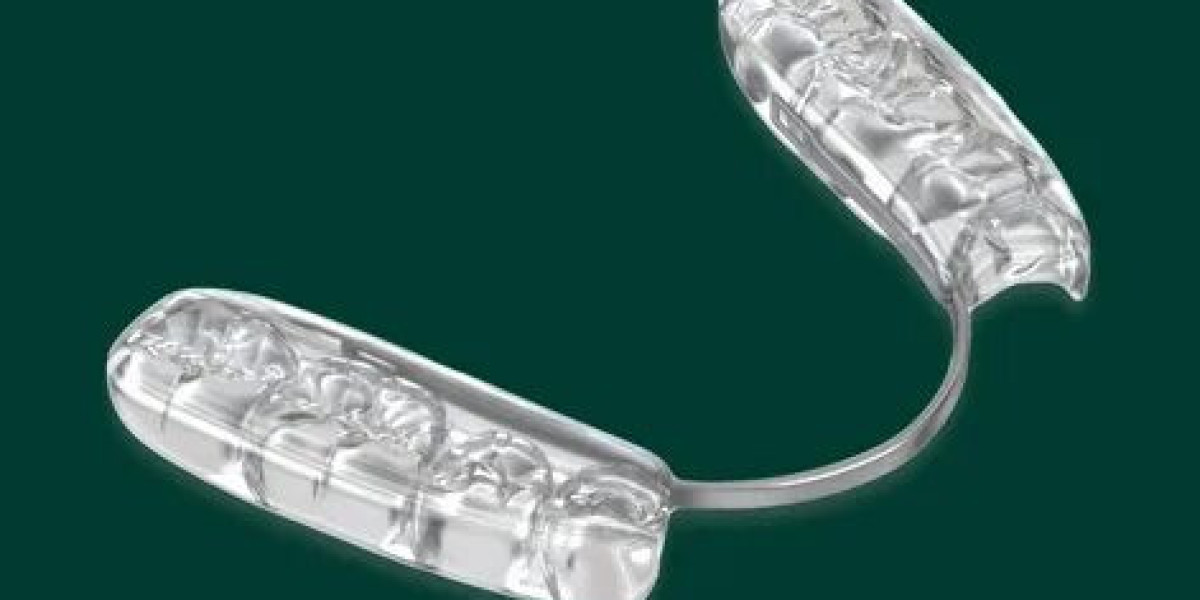

When most people think about oral health, brushing and flossing are usually the first things that come to mind. However, maintaining a healthy smile often requires more advanced solutions, especially when dealing with alignment issues, bite problems, or protective needs. This is where Dental Appliances in Dubai become essential. These custom-designed tools are widely used in orthodontics, preventive dentistry, and restorative dental care to improve both function and appearance.
Rather than viewing them as complex medical devices, it’s helpful to see dental appliances as everyday aids that guide your teeth and jaw toward better health. In this guide, we’ll explore ten important types of dental appliances and how each contributes to improved oral hygiene, bite correction, and long-term dental wellness.
The Functional Role of Dental Appliances in Modern Dentistry:
Dental appliances are designed to correct structural issues, prevent damage, and enhance oral functionality. They help address conditions like malocclusion, teeth crowding, jaw misalignment, and bruxism (teeth grinding). By applying controlled pressure or offering protection, these devices support the natural alignment of teeth and ensure that your mouth functions efficiently.
Their role extends beyond aesthetics, influencing speech clarity, chewing efficiency, gum health, and even sleep quality. With advancements in dental technology, modern appliances are more comfortable, discreet, and effective than ever before.
Braces: The Foundation of Orthodontic Treatment
Braces are one of the most well-known fixed dental appliances used to straighten teeth and correct bite issues. They consist of brackets and wires that gradually move teeth into proper alignment. Braces are highly effective for treating overbites, underbites, crossbites, and crowded teeth.
By improving alignment, braces make it easier to maintain oral hygiene, reducing the risk of plaque buildup and gum disease. They also enhance facial symmetry and overall dental aesthetics.
Clear Aligners: A Discreet Teeth Straightening Solution
Clear aligners have revolutionized orthodontic care by offering a nearly invisible alternative to traditional braces. These removable trays are custom-made and gradually shift teeth into position.
They are particularly popular among adults due to their convenience and aesthetic appeal. Clear aligners also allow for better oral hygiene maintenance, as they can be removed for brushing and flossing, minimizing the risk of tooth decay during treatment.
Retainers: Preserving Your Perfect Smile
After orthodontic treatment, retainers play a critical role in maintaining teeth alignment. Without them, teeth may gradually shift back to their original positions.
Retainers ensure long-term stability and help preserve the results achieved through braces or aligners. They are a key component of post-orthodontic care and contribute to lasting oral health.
Mouthguards: Protection Against Injury and Grinding
Mouthguards are protective dental appliances used to shield teeth from damage. They are commonly worn during sports or by individuals who grind their teeth at night.
By acting as a barrier, mouthguards prevent tooth fractures, enamel wear, and jaw strain. They are essential for maintaining dental integrity and avoiding costly restorative treatments.
Night Guards: Managing Bruxism and Jaw Tension
Night guards are specifically designed for individuals who experience bruxism or nighttime teeth grinding. This condition can lead to headaches, jaw pain, and worn-down teeth.
Wearing a night guard reduces pressure on the jaw and protects enamel from damage. It also helps improve sleep quality by minimizing discomfort and tension in the jaw muscles.
Palatal Expanders: Creating Space for Proper Alignment
Palatal expanders are commonly used in children to widen the upper jaw. This creates more space for teeth to grow properly and reduces crowding.
By addressing jaw development early, palatal expanders can prevent more complex orthodontic issues later in life. They are an important tool in preventive orthodontics and support healthy facial development.
Space Maintainers: Guiding Proper Tooth Eruption
When a child loses a baby tooth prematurely, space maintainers are used to hold the gap open until the permanent tooth emerges.
This prevents neighboring teeth from shifting into the empty space, which could lead to misalignment. Space maintainers play a crucial role in ensuring proper tooth eruption and alignment.
Dental Splints: Stabilizing Teeth and Jaw Structures
Dental splints are used to stabilize loose teeth or support the jaw in cases of injury or temporomandibular joint (TMJ) disorders.
They help reduce movement, promote healing, and alleviate discomfort. Splints are also used to manage jaw pain, bite issues, and muscle tension, improving overall oral function.
Tongue Thrusting Appliances: Correcting Oral Habits
Tongue thrusting appliances are designed to correct improper tongue positioning, which can affect teeth alignment and speech.
By training the tongue to rest in the correct position, these appliances help prevent open bites and speech difficulties. They are particularly useful in pediatric dentistry for early intervention.
Sleep Apnea Appliances: Supporting Better Breathing
Sleep apnea appliances are specialized devices that help keep the airway open during sleep. They are often recommended for individuals with mild to moderate obstructive sleep apnea.
These appliances improve airflow, reduce snoring, and enhance sleep quality. Better sleep contributes to overall health, including improved oral and systemic wellness.
How Dental Appliances Enhance Oral Health Holistically?
Each type of dental appliance contributes to oral health in a unique way, but their collective impact is significant. They help maintain proper alignment, prevent damage, and support essential functions like chewing and speaking.
By addressing underlying issues, dental appliances reduce the risk of complications such as gum disease, tooth decay, enamel erosion, and jaw disorders. They also promote better oral hygiene by making teeth easier to clean and maintain.
Choosing the Right Dental Appliance for Your Needs:
Selecting the appropriate dental appliance depends on several factors, including the severity of the issue, age, lifestyle, and treatment goals. Consulting with a dental professional is essential for accurate diagnosis and personalized treatment planning.
Factors to consider include comfort, durability, maintenance requirements, and treatment duration. A well-chosen appliance can significantly improve both your dental health and quality of life.
Tips for Maintaining Dental Appliances Effectively:
Proper care is essential to ensure the longevity and effectiveness of dental appliances. Poor maintenance can lead to bacterial buildup and reduced performance.
To keep your appliance in optimal condition, follow these guidelines:
- Clean it regularly using recommended solutions
- Avoid exposing it to extreme temperatures
- Store removable appliances safely when not in use
- Maintain consistent oral hygiene practices
- Attend regular dental checkups for monitoring and adjustments
Good maintenance habits not only protect your appliance but also support overall oral health.
The Future of Dental Appliances and Innovation in Dentistry:
The field of dentistry continues to evolve, with new technologies improving the design and functionality of dental appliances. Innovations such as digital impressions, 3D printing, and AI-driven orthodontics are making treatments more precise and efficient.
Modern appliances are now more comfortable, less noticeable, and faster in delivering results. These advancements are making dental care more accessible and effective for patients worldwide.
Final Insight: Why Dental Appliances Matter More Than You Think
Dental Appliances are more than just corrective tools; they are essential components of comprehensive oral care. From improving alignment and protecting teeth to enhancing sleep and jaw function, these devices play a vital role in maintaining a healthy smile.
Understanding the different types of dental appliances and their benefits empowers you to make informed decisions about your oral health. With the right approach and professional guidance, dental appliances can lead to lasting improvements in both function and confidence.