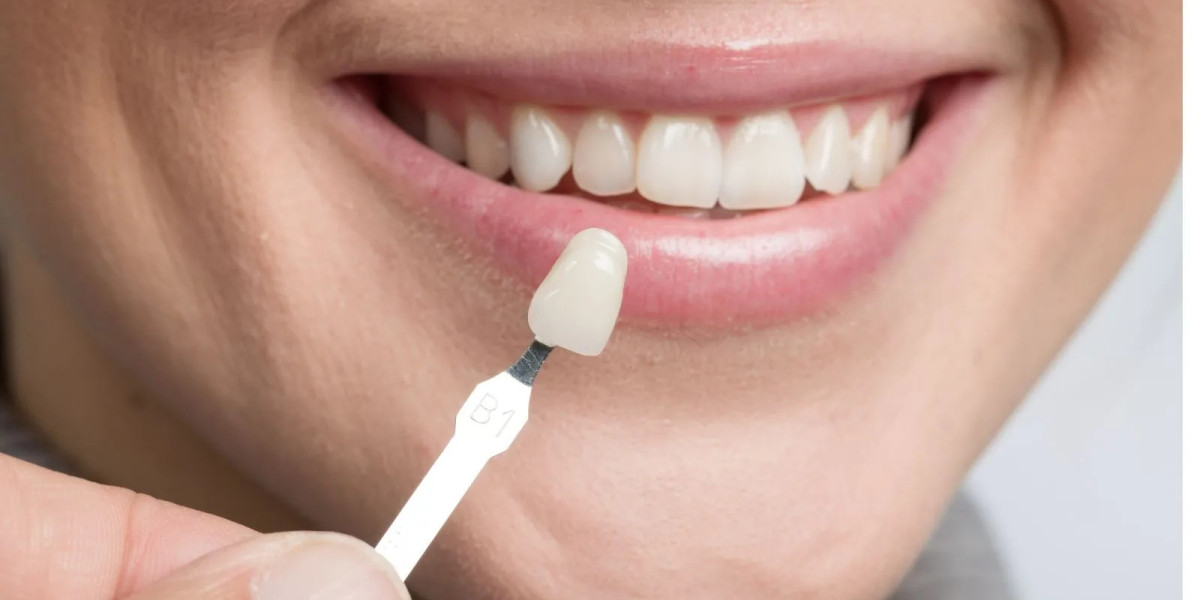

A confident smile has become more than just an aesthetic feature—it’s closely tied to self-esteem, social confidence, and even professional presence. Among the most popular cosmetic dentistry solutions today, composite veneers stand out as a minimally invasive, fast, and highly effective way to transform imperfect teeth. Whether you’re dealing with discoloration, chipped enamel, uneven spacing, or minor misalignment, this treatment offers a practical path to a natural-looking smile makeover.
Unlike more complex dental procedures, Composite Veneers In Dubai provide immediate results with less preparation, making them a preferred option for people seeking both convenience and visual improvement.
What Are Composite Veneers and How Do They Work?
Composite veneers are thin layers of tooth-colored resin material that are carefully applied and sculpted directly onto the surface of your teeth. This advanced dental bonding technique allows a cosmetic dentist to reshape and enhance your teeth in a single visit.
The process involves applying a high-quality composite resin, which is then molded, polished, and hardened using a special curing light. The result is a smooth, natural appearance that blends seamlessly with your existing teeth.
Because the material is applied directly, composite veneers require little to no removal of natural enamel, preserving the original tooth structure while still achieving noticeable improvements.
Why Composite Veneers Are Gaining Popularity?
The increasing demand for smile enhancement treatments has brought composite veneers into the spotlight. One major reason is their versatility—they can address multiple dental imperfections at once, including stained teeth, worn edges, small gaps, and minor alignment issues.
Another advantage is the immediate transformation. Unlike porcelain veneers, which typically require multiple appointments and lab fabrication, composite veneers can often be completed in a single session. This makes them ideal for individuals looking for quick cosmetic dentistry solutions without extended waiting periods.
Additionally, they are reversible in most cases, offering flexibility for patients who may want to explore other options in the future.
Key Benefits of Choosing Composite Veneers:
One of the most appealing aspects of composite veneers is their ability to deliver natural-looking results. The resin material can be customized in shade and shape, ensuring it matches the surrounding teeth perfectly.
They are also a minimally invasive treatment, meaning less drilling and reduced discomfort compared to other dental veneer options. For patients with dental anxiety, this can be a significant advantage.
Repairability is another benefit. If a composite veneer chips or wears down over time, it can usually be repaired easily without replacing the entire veneer. This makes maintenance simpler and more convenient.
Furthermore, the procedure is typically quicker, making it an attractive choice for busy individuals who want noticeable improvements without multiple dental visits.
Who Is an Ideal Candidate for Composite Veneers?
Composite veneers are suitable for a wide range of patients, particularly those looking to correct cosmetic flaws rather than structural dental issues. If your teeth are generally healthy but have visible imperfections such as discoloration, small chips, uneven edges, or gaps, you are likely a good candidate.
However, individuals with severe tooth damage, significant misalignment, or underlying oral health problems may require alternative treatments like orthodontics or crowns before considering veneers.
A consultation with a qualified cosmetic dentist is essential to determine whether this treatment aligns with your dental needs and smile goals.
Step-by-Step Process of Getting Composite Veneers:
Understanding the procedure can help ease any concerns and set realistic expectations. The journey typically begins with a consultation, where your dentist evaluates your oral health and discusses your desired outcome.
Next comes shade selection, ensuring the composite resin matches your natural teeth for a seamless finish. The tooth surface is then lightly prepared, often requiring minimal alteration.
The dentist applies the composite material in layers, carefully sculpting it to achieve the desired shape and contour. Once satisfied, the material is hardened using a curing light and polished to create a smooth, glossy surface.
The entire procedure can often be completed within a few hours, depending on the number of teeth being treated.
How Long Do Composite Veneers Last?
Durability is an important consideration for any cosmetic dental procedure. Composite veneers typically last between five to seven years, although this can vary based on lifestyle habits, oral hygiene, and regular dental care.
While they may not last as long as porcelain alternatives, proper maintenance can significantly extend their lifespan. Avoiding habits like nail-biting, chewing hard objects, or excessive consumption of staining foods and beverages can help preserve their appearance.
Routine dental check-ups and professional cleanings also play a crucial role in maintaining their longevity.
Caring for Your Composite Veneers the Right Way:
Maintaining composite veneers doesn’t require complicated routines, but consistency is key. Brushing twice daily with a non-abrasive toothpaste and flossing regularly will help keep your veneers and natural teeth in excellent condition.
Limiting foods and drinks that cause staining, such as coffee, tea, and red wine, can prevent discoloration over time. If you do consume them, rinsing your mouth afterward can minimize their impact.
Wearing a mouthguard during sports or if you grind your teeth at night can also protect your veneers from damage.
Composite Veneers vs Other Cosmetic Dental Options:
When comparing composite veneers to porcelain veneers, the main differences lie in durability, cost, and procedure time. Porcelain veneers are more stain-resistant and longer-lasting but require more preparation and multiple visits.
Dental bonding is often confused with composite veneers, but bonding typically targets a single tooth, whereas veneers provide a more comprehensive smile transformation.
Crowns, on the other hand, are used for restoring severely damaged teeth and involve covering the entire tooth structure, making them a more extensive procedure.
Composite veneers strike a balance between affordability, aesthetics, and convenience, making them an appealing option for many patients.
Common Myths About Composite Veneers:
There are several misconceptions surrounding composite veneers. One common myth is that they look unnatural. In reality, modern materials and advanced techniques allow dentists to create highly realistic results.
Another misconception is that they damage natural teeth. Since minimal enamel removal is required, the procedure is generally safe and conservative.
Some people also believe they require excessive maintenance, but in truth, caring for composite veneers is similar to maintaining natural teeth with good oral hygiene practices.
Potential Drawbacks to Consider:
While composite veneers offer numerous benefits, it’s important to consider their limitations. They are more prone to staining compared to porcelain and may require occasional touch-ups over time.
Their lifespan is shorter, meaning replacements or repairs may be needed sooner. Additionally, they may not be suitable for patients with severe dental issues or those seeking a permanent long-term solution without maintenance.
Understanding these factors helps in making an informed decision about whether this treatment aligns with your expectations.
The Impact of Composite Veneers on Confidence:
One of the most significant advantages of Composite Veneers is the boost in confidence they provide. A well-aligned, bright smile can positively influence social interactions, personal relationships, and professional opportunities.
Many patients report feeling more comfortable speaking, smiling, and engaging with others after undergoing a smile makeover. This psychological benefit often outweighs the physical transformation, making it a truly life-enhancing procedure.
Final Thoughts on Achieving Your Perfect Smile:
Composite veneers offer a powerful combination of aesthetics, convenience, and minimally invasive treatment. They are an excellent option for individuals seeking a quick yet effective way to improve their smile without extensive dental work.
By understanding the procedure, benefits, and maintenance involved, you can make a confident and informed decision. With proper care and guidance from a skilled cosmetic dentist, composite veneers can help you achieve a radiant, natural-looking smile that lasts for years.