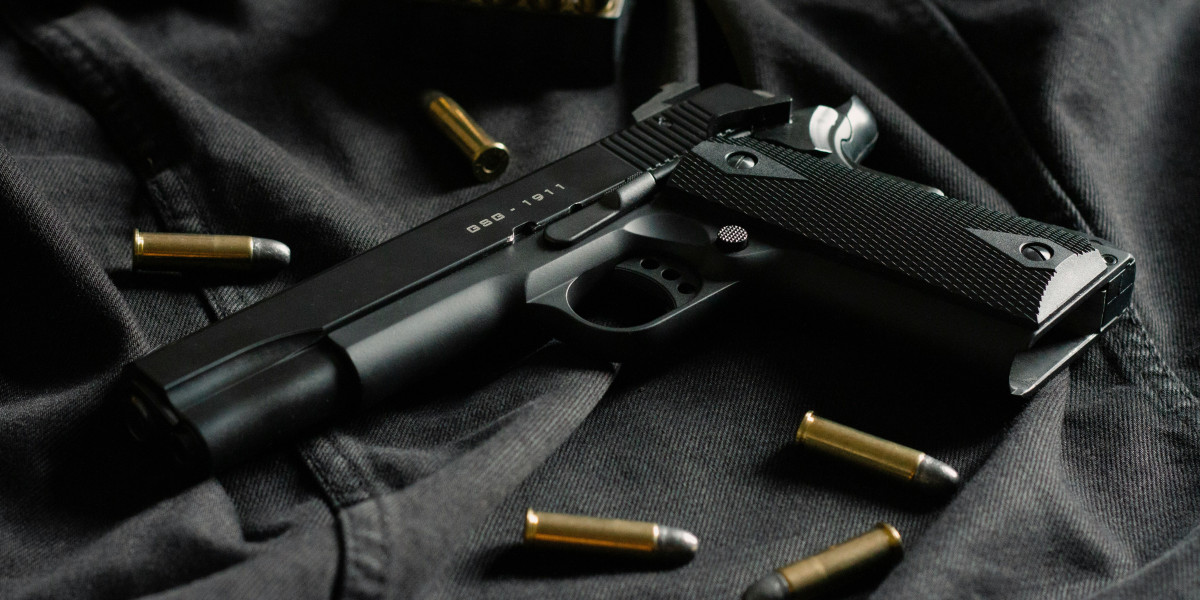

The colt ace is widely regarded as one of the most charming and historically significant .22 caliber pistols ever produced, earning a loyal following among collectors, historians, and 1911 enthusiasts alike. Developed as a training counterpart to the full-power 1911 service pistol, it offered shooters a way to practice marksmanship fundamentals with reduced recoil and lower ammunition cost. Over time, the colt ace evolved from a practical training tool into a highly sought-after collectible, admired for its ingenuity, craftsmanship, and place in firearm history.
The Origins of the Colt Ace and Its Training Purpose
To understand why the Colt Ace remains so highly valued today, it is essential to look at its origins. In the early 20th century, militaries around the world were seeking efficient ways to train soldiers in handgun use without the expense and recoil of full-power service cartridges. The solution came in the form of .22 caliber conversion systems and dedicated training pistols.
Developed by Colt, the Colt Ace was designed as a .22 LR version of the iconic M1911 platform. The goal was simple but important: allow shooters to train with a firearm that replicated the size, weight, and handling of the service pistol while using a much more economical cartridge.
What made the Colt Ace especially innovative was its use of a floating chamber system. This mechanism was designed to simulate recoil more closely to the .45 ACP 1911, giving shooters a more realistic training experience than standard .22 pistols of the time. This engineering choice alone set the Colt Ace apart from many other training firearms of its era.
Design Philosophy and Mechanical Innovation
The Colt Ace was not just a scaled-down version of the 1911—it was a carefully engineered adaptation. Maintaining the same frame, grip angle, and control layout as the original 1911 allowed shooters to build muscle memory that translated directly to service pistols.
The floating chamber system is one of its most defining mechanical features. When a round is fired, the chamber moves slightly rearward under pressure, increasing the felt recoil impulse. While it does not fully replicate .45 ACP recoil, it provides enough feedback to help shooters develop proper grip and control habits.
This system, however, also introduced complexity. The Colt Ace required more meticulous maintenance than standard .22 pistols, as the floating chamber could accumulate fouling and require frequent cleaning to maintain reliability. Despite this, many shooters appreciated the added realism it provided during training.
Early Adoption and Military Use
During its production years, the Colt Ace found a niche role in military and civilian training programs. Its ability to mimic the handling characteristics of the 1911 made it especially valuable for marksmanship instruction.
Soldiers could practice trigger control, sight alignment, and shooting fundamentals without expending large quantities of .45 ACP ammunition. This was particularly important during periods when resources were limited or expensive.
While it was never intended as a combat firearm, its role in training environments helped cement its reputation as a practical and innovative solution for developing shooting skills.
Why Collectors Value the Colt Ace Today
Today, the Colt Ace is no longer just a training pistol—it is a collectible artifact that represents a unique era in firearm development. Several factors contribute to its continued popularity among collectors.
First, its historical significance cannot be overstated. The Colt Ace represents a bridge between full-power service pistols and modern training firearms. It reflects a time when manufacturers were actively experimenting with mechanical solutions to improve marksmanship training.
Second, its connection to the 1911 platform adds to its desirability. The 1911 is one of the most iconic handgun designs in history, and the Colt Ace shares its lineage. For many collectors, owning a Colt Ace is like owning a piece of the broader 1911 legacy.
Third, production numbers and surviving examples in good condition are relatively limited. Many Colt Aces were used extensively in training, meaning that well-preserved models are increasingly rare. This scarcity has driven interest in the collector market.
Variants and Production History
The Colt Ace was produced in several variations over its lifespan, each offering subtle differences in design and functionality. Early models are particularly prized by collectors due to their closer mechanical relationship to the original floating chamber design.
Later versions included improvements aimed at increasing reliability and simplifying maintenance. However, these changes also slightly reduced the realism of the recoil simulation system, leading some enthusiasts to prefer the earlier models.
Collectors often pay close attention to details such as slide markings, barrel design, and production year when evaluating a Colt Ace. Even small differences can significantly affect collectible value.
Shooting Experience and Handling Characteristics
Despite its age, the Colt Ace remains a pleasure to shoot. Its weight, balance, and ergonomics closely mirror those of the full-size 1911, making it an excellent platform for training or recreational shooting.
The .22 LR cartridge offers minimal recoil, which allows for extended shooting sessions without fatigue. This makes it particularly enjoyable for those who appreciate precision shooting or who want to focus on fundamentals.
However, the floating chamber system does require careful maintenance to ensure consistent performance. When properly cleaned and maintained, the Colt Ace can still deliver reliable and accurate performance even decades after its production.
Maintenance Challenges and Considerations
One of the defining characteristics of the Colt Ace is its sensitivity to maintenance. Unlike modern .22 pistols that are designed for high-volume shooting with minimal cleaning, the Colt Ace demands more attention.
Carbon buildup in the floating chamber system can quickly lead to malfunctions if not addressed. Regular disassembly, cleaning, and lubrication are essential to keeping the firearm in proper working condition.
For collectors, this maintenance requirement is often seen as part of the experience. It reinforces the historical authenticity of the firearm and provides insight into how early training pistols were designed and used.
The Colt Ace in the Collector Market
In today’s collector market, the Colt Ace occupies a respected and competitive niche. Prices can vary significantly depending on condition, originality, and historical provenance.
Original finish, matching components, and early production markings tend to command higher values. Firearms that remain in excellent mechanical condition are especially sought after, as many surviving examples show significant wear from years of training use.
Collectors often view the Colt Ace not only as a firearm but also as a piece of engineering history. Its place in the evolution of training systems makes it an important acquisition for serious firearm historians.
Influence on Modern Training Firearms
The Colt Ace helped pave the way for modern training pistols and conversion kits. Its concept—providing a lower-cost training alternative that mimics a service weapon—remains widely used today.
Modern .22 conversion kits for 1911 platforms and other service pistols owe much to the groundwork laid by the Colt Ace. While newer systems may offer improved reliability and ease of maintenance, they still follow the same fundamental idea.
This lasting influence underscores the importance of the Colt Ace in firearm development history.
A Mid-Century Innovation That Still Resonates
In the mid evolution of firearm training systems, the colt ace stands out as a bold and creative solution to a practical problem. It balanced realism, cost efficiency, and mechanical innovation in a way that few other training pistols of its era achieved.
Even today, its design continues to be studied and appreciated by firearm enthusiasts who value both historical context and mechanical ingenuity.
Cultural and Historical Significance
Beyond its mechanical features, the Colt Ace also holds cultural significance. It represents a period when firearm manufacturers were deeply focused on improving training efficiency and marksmanship skills through mechanical innovation.
Its association with the 1911 platform further enhances its symbolic value. The 1911 is not just a firearm—it is an icon of military history, and the Colt Ace serves as its training counterpart.
This connection gives the Colt Ace a unique dual identity: both a functional training tool and a collectible historical artifact.
Preservation and Long-Term Value
For collectors, preserving a Colt Ace in original condition is essential for maintaining its value. Proper storage, careful handling, and routine maintenance all contribute to long-term preservation.
Original parts and finishes are particularly important, as modifications can reduce collectible value. Many owners prefer to keep these pistols in as close to original condition as possible, even if they are no longer used for regular shooting.
Conclusion
The Colt Ace remains one of the most fascinating and respected vintage .22 pistols ever produced. Its innovative floating chamber system, strong connection to the 1911 platform, and historical role in training development all contribute to its enduring appeal.
While it may require more care and attention than modern firearms, its value lies in its authenticity and historical importance. For collectors and enthusiasts alike, the Colt Ace represents a tangible link to an important era in firearm evolution.
As interest in historical firearms continues to grow, platforms like GunsAmerica provide an important space for collectors to explore, trade, and preserve iconic firearms like the Colt Ace, ensuring that its legacy continues for future generations.