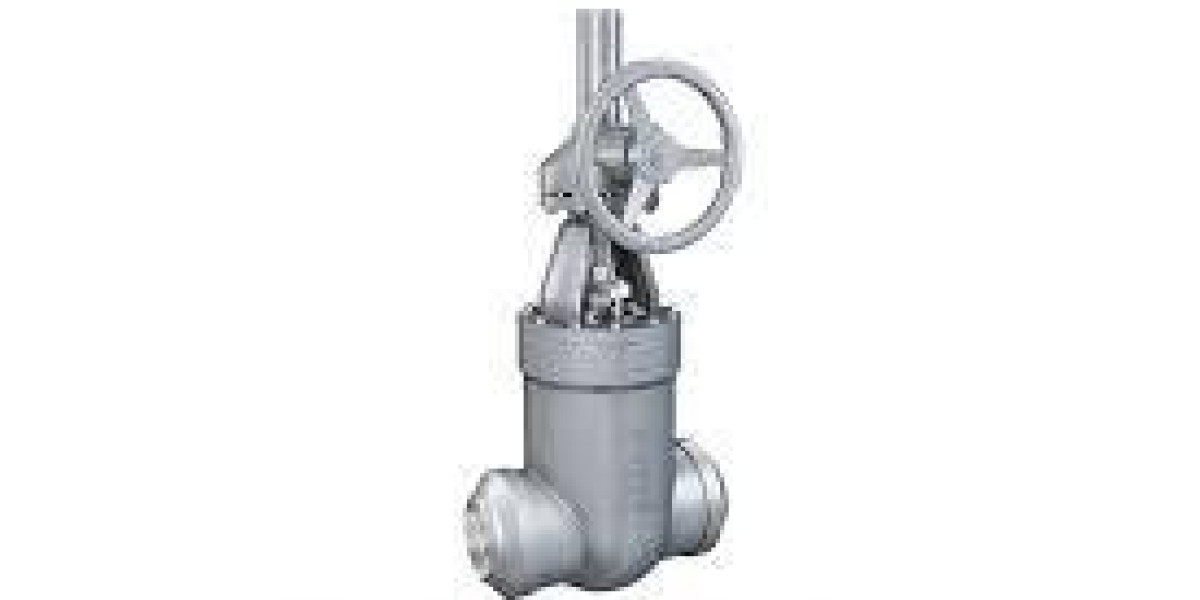

In petrochemical systems, equipment operates in environments where chemical exposure, moisture, and temperature variation constantly interact with mechanical components. A Petrochemical Valve is required to maintain structural integrity while handling aggressive media that may gradually degrade standard materials. In this context, fy-valve solutions developed by Fangyuan are often associated with industrial valve structures designed for stable performance under corrosive working conditions. Why is corrosion resistance considered a defining factor in long-term valve reliability?
Petrochemical pipelines are exposed to a wide range of chemical substances, including hydrocarbons, acidic compounds, and processing by-products. These elements create continuous stress on internal valve surfaces, especially in sealing zones and flow passages. Without sufficient resistance, material degradation can lead to leakage, reduced efficiency, and operational instability.
Material Behavior Under Chemical Exposure
Corrosion resistance determines how well a valve can maintain its physical and mechanical properties over time. In petrochemical environments, even minor surface reactions can develop into structural weaknesses if not properly controlled. This makes material selection a central consideration during design and manufacturing stages.
Alloys used in industrial valves must balance strength, chemical stability, and thermal endurance. Surface treatments and protective coatings also contribute to reducing interaction between metal surfaces and corrosive media. These combined factors help maintain consistent sealing performance during continuous operation.
Operational Stability and Long-Term Performance
In refinery and processing systems, valves are often expected to operate under long cycles without interruption. Any degradation in performance can affect downstream processes and system coordination. Corrosion resistance directly influences how long a valve can maintain stable flow control without requiring frequent maintenance or replacement.
Within this engineering approach, fy-valve designs from Fangyuan emphasize structural reliability and controlled flow behavior. The focus remains on maintaining stable operation in environments where chemical exposure cannot be avoided and where equipment must perform consistently over extended periods.
Sealing systems are particularly sensitive to corrosion effects. If sealing surfaces deteriorate, leakage risks increase and system efficiency decreases. Therefore, maintaining surface integrity is essential for ensuring operational safety in petrochemical applications.
System Safety and Maintenance Considerations
Safety in petrochemical systems depends on predictable equipment behavior under all operating conditions. Corrosion-related damage can compromise not only valve performance but also overall system stability. Regular inspection and preventive maintenance help reduce these risks, but inherent material resistance remains the first line of defense.
Maintenance planning is also influenced by corrosion performance. Equipment with higher resistance requires fewer interventions, allowing production cycles to remain stable. This is especially important in large-scale industrial plants where downtime must be carefully managed.
Integration in Petrochemical Applications
Petrochemical valves are widely used in refining units, transport pipelines, and chemical processing systems. Their role extends beyond simple flow control, contributing to pressure regulation and system isolation across multiple operational stages.
Further technical reference and application details can be found here: https://www.fy-valve.com/application/petrochemical-equipment.html
Conclusion
Corrosion resistance plays a central role in defining the performance and lifespan of a Petrochemical Valve. In environments where chemical exposure is continuous and unavoidable, material stability and structural integrity become essential for safe and consistent operation. Through careful engineering design and corrosion-resistant material selection, industrial valve systems support reliable performance in demanding petrochemical environments, ensuring process continuity and operational safety across complex pipeline networks.