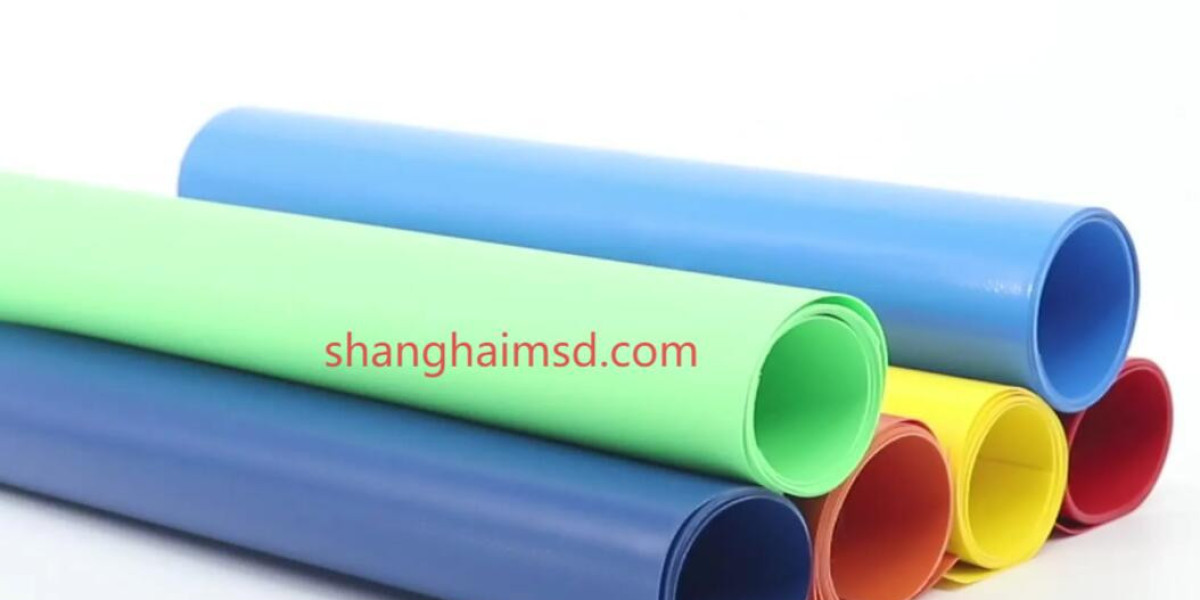

Inflatable structures depend heavily on technical textiles that combine flexibility with structural strength. In many inflatable product designs, PVC Inflatable Fabric serves as a reliable composite material that integrates woven reinforcement with durable polymer coatings. This combination allows inflatable equipment to maintain stable pressure, withstand environmental stress, and remain flexible enough for transportation and storage. Manufacturers such as Shanghai MSD International Trade Co., Ltd continue refining production methods to improve material consistency and long-term performance across a wide range of industrial and recreational applications.
The engineering of inflatable coated textiles begins with the reinforcement layer, typically made from high-tenacity polyester fibers. Polyester is widely used in industrial fabrics because of its balanced properties, including excellent tensile strength, dimensional stability, and resistance to fatigue under repeated stress. The woven structure of the base fabric determines the mechanical behavior of the final composite material. Fabrics with higher yarn density generally provide greater strength and durability, while lighter constructions offer improved flexibility and weight reduction.
Once the reinforcement textile is prepared, the coating process begins. In coated textile manufacturing, PVC compounds are formulated with additives such as plasticizers, stabilizers, pigments, and ultraviolet inhibitors. These components improve the flexibility, durability, and environmental resistance of the final product. The coating mixture is then applied evenly to the textile surface using industrial coating equipment. Knife-over-roll coating, direct coating, and calendaring are commonly used production methods for achieving precise thickness control.
During coating, the polymer layer penetrates partially into the textile structure while also forming a continuous surface film. This creates a strong mechanical bond between the reinforcement fabric and the coating layer. The coated material then moves through controlled heating zones where the polymer is cured and bonded permanently to the textile. Proper temperature control during curing ensures that the coating remains flexible while achieving strong adhesion.
Mechanical performance is a defining characteristic of inflatable coated textiles. Inflatable products must maintain their shape under internal air pressure, which places continuous stress on the material. The woven polyester reinforcement distributes this stress across the surface, preventing localized deformation or structural failure. High tensile strength ensures that the material can support pressure loads while maintaining dimensional stability.
Tear resistance is another key feature of high-performance inflatable textiles. Small punctures or cuts can potentially spread under pressure if the material lacks sufficient reinforcement. Polyester fibers help stop tear propagation by distributing stress along the fabric structure. This property significantly improves the reliability and safety of inflatable structures used in demanding environments.
Airtightness is critical for maintaining stable inflation. The PVC coating layer forms a continuous barrier that prevents air leakage through the fabric. The density and uniformity of the coating directly influence the material’s ability to retain air pressure. High-quality coated textiles maintain consistent pressure levels even during extended operation.
Weather resistance also plays a vital role in inflatable fabric performance. Outdoor inflatable products may be exposed to intense sunlight, rain, wind, and temperature changes. To enhance durability, coating formulations typically include UV stabilizers and anti-aging compounds. These additives protect the polymer surface from degradation while preserving flexibility and color stability.
Manufacturing compatibility is another advantage of coated inflatable textiles. Large inflatable products are rarely made from a single sheet of material. Instead, multiple panels are joined together using industrial welding techniques. High-frequency welding and hot-air welding are widely used to create airtight seams. These welding methods melt the coating layers at the seam interface, producing a strong bond that is often as durable as the surrounding fabric.
Quality control testing ensures that inflatable textile materials meet strict performance standards. Tensile testing measures how much force the fabric can withstand before stretching or breaking. Tear resistance tests evaluate the material’s ability to prevent damage from spreading when punctures occur.
Air retention testing is particularly important for inflatable structures. Samples are inflated under controlled conditions to measure how effectively the material maintains pressure over time. Low permeability indicates a well-bonded coating and high manufacturing quality. Seam strength testing also verifies that welded joints can handle pressure fluctuations during operation.
Abrasion resistance testing simulates friction caused by repeated contact with surfaces. This is especially important for inflatable boats, floating platforms, and other equipment that interacts with water or ground surfaces. Additional environmental tests may expose materials to ultraviolet radiation or temperature cycles to evaluate long-term durability.
Inflatable coated textiles serve a wide variety of industries. In water recreation, these materials are commonly used for inflatable boats, paddle boards, floating docks, and water parks. Their strength and waterproof properties make them well suited for long-term use in aquatic environments.
The advertising industry also benefits from inflatable textile materials. Large promotional structures such as inflatable arches, display balloons, and event decorations rely on durable coated fabrics that can maintain shape while supporting printed graphics. Smooth polymer surfaces allow high-quality digital printing for branding and marketing purposes.
Industrial sectors increasingly use inflatable structures for temporary shelters, air-supported buildings, and protective cushioning systems. These applications require materials that are lightweight yet capable of maintaining stable pressure across large surface areas.
Continuous advancements in textile engineering and coating technologies are helping improve the performance of inflatable composite materials. Shanghai MSD International Trade Co., Ltd focuses on optimizing coating formulations, improving fabric reinforcement structures, and enhancing production efficiency to meet the growing demand for high-quality inflatable materials.
Professionals interested in learning more about inflatable textile materials and their technical characteristics can explore additional resources from Shanghai MSD International Trade Co., Ltd through the following link:
https://www.shanghaimsd.com/news/what-is-pvc-inflatable-fabric-everything-you-need-to-know.html .