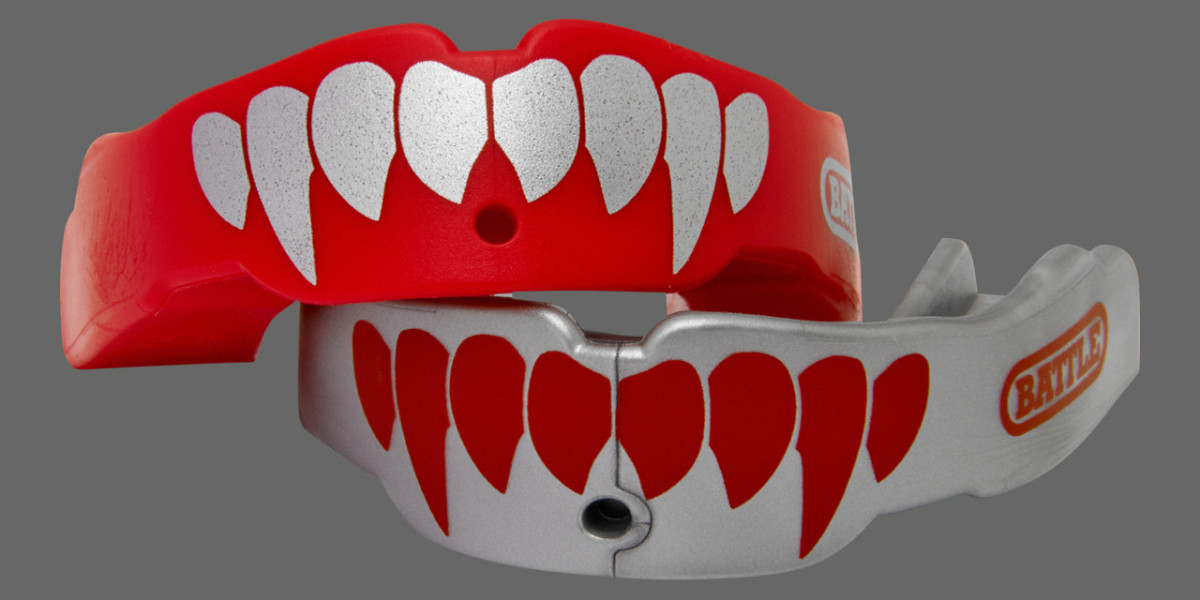

Despite being widely recommended in sports dentistry and orthodontic care, mouthguards are still surrounded by misinformation. Many athletes, parents, and even casual users hold outdated beliefs about how mouthguards work, who should use them, and whether they truly offer protection.
These myths often lead to improper usage, skipped protection during sports, or avoidance of mouthguards altogether—putting oral health at unnecessary risk. Understanding the truth is essential for making informed decisions about dental injury prevention, sports safety equipment, and bruxism management.
Myth 1: Mouthguards Are Only for Professional Athletes
One of the most widespread misconceptions is that Mouthguards In Dubai are only necessary for elite or professional athletes.
The reality:
Mouthguards are essential for anyone participating in contact or high-impact activities, regardless of skill level. This includes children in school sports, amateur players, gym participants, and recreational athletes.
Dental injuries often occur more frequently in non-professional environments because protective habits are less consistent. Sports like football, basketball, hockey, and martial arts all carry a significant risk of oral trauma.
Mouthguards are preventive tools designed for universal use, not just professional competition.
Myth 2: Mouthguards Are Uncomfortable and Hard to Wear
Many people avoid mouthguards because they believe they are bulky, uncomfortable, or interfere with breathing and speaking.
The reality:
Modern mouthguards, especially custom-fitted and boil-and-bite designs, are engineered for comfort and usability. Advances in dental materials such as EVA (ethylene vinyl acetate) allow for flexible, lightweight, and anatomically shaped appliances.
Once properly fitted, most users adapt within a few days. Custom designs, in particular, provide a secure fit that minimizes irritation, improves stability, and allows natural breathing during sports or sleep.
Comfort issues usually stem from poor fit, not the concept of mouthguards itself.
Myth 3: Mouthguards Prevent All Dental Injuries
Some users believe that wearing a mouthguard completely eliminates the risk of dental trauma.
The reality:
While mouthguards significantly reduce the severity and likelihood of injuries, they do not provide absolute protection. High-impact forces, especially in contact sports or accidental collisions, can still cause injury.
What mouthguards do effectively is:
- Absorb and distribute impact force
- Reduce risk of tooth fractures and avulsion
- Protect soft tissues like lips and cheeks
- Lower jaw and TMJ stress
They are protective devices, not invincibility shields.
Myth 4: All Mouthguards Are Basically the Same
A common misunderstanding is that any mouthguard offers the same level of protection.
The reality:
There are major differences in design, material quality, and protective capability.
Types include:
- Stock mouthguards with minimal fit and protection
- Boil-and-bite mouthguards with moderate customization
- Custom-fitted mouthguards made by dental professionals
- High-performance laminated guards for combat sports
Each type serves different needs. A poorly fitted mouthguard can actually reduce protection by shifting during impact.
Myth 5: Mouthguards Are Only Needed for Contact Sports
Many people assume mouthguards are only necessary for boxing, rugby, or martial arts.
The reality:
Non-contact and low-contact sports can also cause dental injuries due to falls, collisions, or unexpected impacts.
Sports like basketball, cycling, skateboarding, gymnastics, and even running carry a risk of facial trauma. Additionally, mouthguards are also used for nighttime teeth grinding (bruxism), which has nothing to do with sports but still causes significant dental damage.
Mouthguards are versatile oral protection devices, not sport-specific only gear.
Myth 6: Mouthguards Make Breathing Difficult During Activity
A major concern among athletes is that mouthguards restrict oxygen flow and reduce performance.
The reality:
Properly designed mouthguards have minimal impact on breathing. Modern designs include airflow channels and low-profile structures that allow athletes to breathe naturally through the mouth and nose.
Breathing issues usually occur with:
- Poorly fitted stock mouthguards
- Overly thick or incorrectly molded designs
- Low-quality materials that do not conform properly
High-quality sports mouthguards are designed specifically to avoid respiratory restriction.
Myth 7: Mouthguards Can Be Used Indefinitely Without Replacement
Some users believe that a mouthguard, once purchased, can last forever with proper cleaning.
The reality:
Mouthguards have a limited lifespan and must be replaced periodically. Over time, materials degrade due to pressure, grinding, saliva exposure, and heat.
Signs of replacement include:
- Cracks or tears
- Loss of shape or fit
- Persistent odor despite cleaning
- Thinning material in high-contact areas
Depending on usage, replacement is typically required every 6 months to 3 years.
Myth 8: Boil-and-Bite Mouthguards Are Just as Good as Custom Ones
Boil-and-bite mouthguards are popular due to affordability, leading many to believe they offer the same protection as professional custom options.
The reality:
While boil-and-bite mouthguards offer decent protection, they cannot match the precision, retention, and durability of custom-fitted designs.
Custom mouthguards provide:
- Superior fit based on dental impressions
- Better shock distribution
- Improved comfort and retention
- Longer lifespan under heavy use
Boil-and-bite options are suitable for beginners, but not ideal for high-performance athletes or severe bruxism cases.
Myth 9: Mouthguards Are Only for Adults
Many parents underestimate the importance of mouthguards for children.
The reality:
Children and teenagers are actually among the highest-risk groups for dental injuries due to active play and school sports participation.
Pediatric mouthguards help protect:
- Developing teeth
- Orthodontic appliances like braces
- Jaw growth structures
Early use also builds lifelong habits of dental safety and injury prevention.
Myth 10: Mouthguards Can Replace Dental Treatment
Some users believe mouthguards can fix dental problems such as misalignment or tooth damage.
The reality:
Mouthguards are preventive devices, not corrective treatments. They do not straighten teeth, repair damage, or replace orthodontic procedures.
Their role is to:
- Prevent injury
- Reduce grinding damage
- Protect existing dental work
- Support oral safety
Dental treatment and mouthguard use serve entirely different purposes.
Proper Use: How to Get the Most Out of a Mouthguard
Understanding the facts is only part of the equation—proper usage is equally important.
Best practices include:
- Wearing mouthguards consistently during all sports activity
- Using night guards every night for bruxism
- Cleaning after each use with mild soap and water
- Storing in a ventilated protective case
- Replacing when signs of wear appear
Correct usage ensures maximum protection and hygiene.
Frequently Asked Questions (FAQ):
Do mouthguards really work?
Yes, they significantly reduce dental injuries and soft tissue trauma.
Are expensive mouthguards better?
Custom and high-quality options usually provide better fit and protection.
Can I wear a mouthguard with braces?
Yes, orthodontic mouthguards are specially designed for braces protection.
Do mouthguards stop teeth grinding?
They do not stop grinding but protect teeth from damage.
Conclusion: Separating Fact from Fiction for Better Oral Protection
Best Mouthguards are one of the most effective and accessible tools in dental injury prevention, yet they remain misunderstood due to persistent myths. From assumptions about comfort to misconceptions about protection levels, these false beliefs often prevent people from using them correctly or consistently.
The reality is clear: mouthguards are essential protective devices for sports, nighttime grinding, and orthodontic safety. When properly chosen and used, they significantly reduce the risk of dental trauma and support long-term oral health.
Understanding the facts allows athletes, parents, and everyday users to make smarter decisions—and ultimately protect their smiles more effectively