
Understanding wound care is an important part of recovery, and many people look for simple ways to manage stitches once healing begins. In some situations, Suture Removal at Home in Dubai is considered by individuals who want convenience and comfort during the healing journey. However, not every wound is suitable for self-managed suture removal, and recognizing the right and wrong conditions plays a key role in ensuring proper healing. This content explains when it is not safe to attempt removal at home, helping readers make informed and careful decisions while supporting healthy recovery practices.
Understanding the Healing Process of Sutures
Sutures are designed to hold skin edges together while the body naturally repairs internal and external tissues. The healing process varies depending on the depth of the wound, location, and individual recovery speed. Some wounds heal quickly with minimal support, while others require extended time and careful observation.
The skin may appear closed on the surface, but internal tissues can still be strengthening. Because of this, removing stitches too early or in unsuitable conditions can interfere with proper healing. Understanding this process helps in recognizing why caution is essential before considering removal at home.
Situations Where Home Removal Should Be Avoided
There are certain conditions where suture removal should never be attempted without proper evaluation. These situations highlight the importance of careful judgment and awareness.
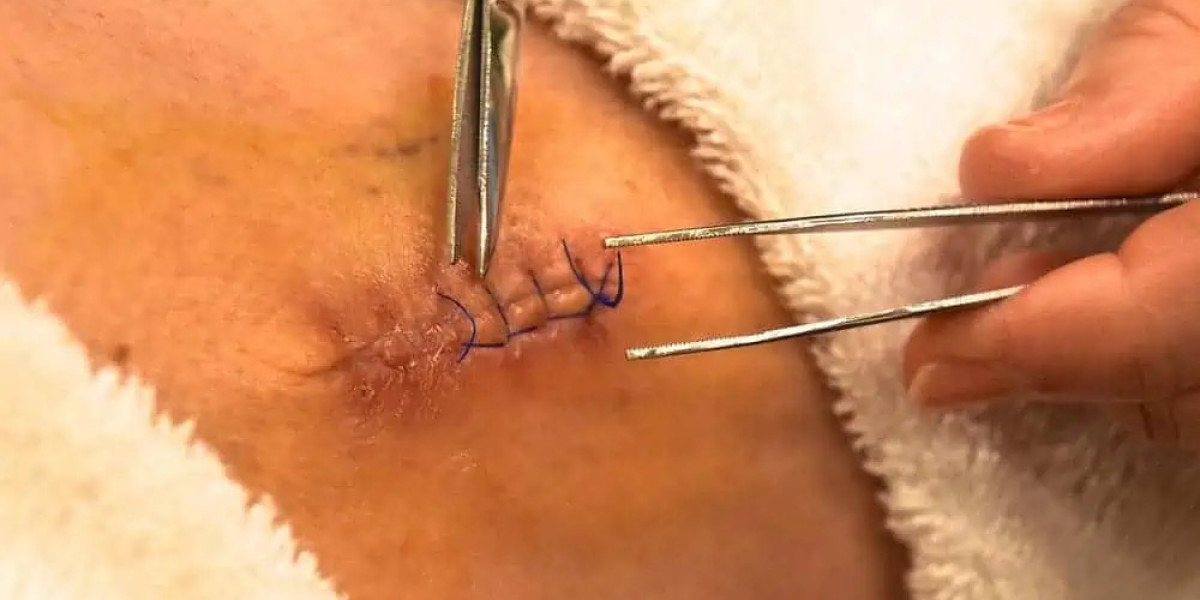
When the wound shows signs of incomplete healing, such as gaps in the skin or fragile tissue, removal at home can disrupt recovery. Deep wounds or those located in high-movement areas also require extra attention because the skin is under constant tension.
If the stitches are placed after complex procedures or injuries involving multiple layers of skin, removal becomes more sensitive. In such cases, the healing structure may not be strong enough for safe handling outside a controlled environment.
Wounds exposed to continuous friction or pressure should also be treated cautiously. Areas like joints or regions that bend frequently may reopen if stitches are removed too early or incorrectly.
Signs That Require Extra Caution
Certain signs indicate that a wound is not ready for any form of self-managed suture removal. These indicators help prevent unnecessary complications and support safer recovery decisions.
Persistent redness around the wound area can suggest ongoing healing activity. Swelling that does not reduce over time may also indicate that the tissue is still repairing itself.
If the skin feels tender, tight, or painful when touched, it may not be strong enough for removal. In addition, any visible discharge or unusual changes in skin texture should be taken seriously.
Another important sign is uneven healing, where one part of the wound appears closed while another remains open or delicate. This imbalance suggests that more time is needed before any intervention.
Why Careful Handling Matters in Recovery
Proper wound support ensures that the skin regains strength without disruption. When sutures are removed too early or without proper assessment, the healing structure can weaken.
Careless handling may also slow down the natural recovery process, causing the skin to take longer to regain full strength. In some cases, improper removal may disturb the alignment of healing tissues, making the final result less stable.
A careful approach ensures that the body completes its natural repair cycle without interruption. This is why understanding the right timing and condition of the wound is essential before considering any form of removal.
Comparing Suitable and Unsuitable Scenarios for Removal
Not all wounds behave in the same way, which is why two general approaches are often considered when discussing suture management.
In suitable scenarios, wounds are shallow, clean, and show consistent healing progress. The skin edges appear closed, and there is no discomfort or unusual changes in the area. These conditions suggest that the body has completed most of its recovery work.
In unsuitable scenarios, wounds may still appear sensitive, uneven, or partially open. There may be tightness or lingering sensitivity in the surrounding skin. These conditions indicate that additional healing time is required before any removal can be considered safe.
Understanding the difference between these situations helps reduce unnecessary risks and supports better healing outcomes.
Importance of Patient Awareness in Home Care Decisions
Awareness plays a major role in determining whether a wound is ready for suture removal. Individuals often feel confident when the surface appears healed, but internal tissue strength is equally important.
Observing changes over time helps in making better decisions. A stable wound typically shows gradual improvement without sudden discomfort or visible changes. On the other hand, unstable healing may present subtle signs that should not be ignored.
This awareness encourages a more thoughtful approach, ensuring that recovery remains the top priority rather than convenience alone.
Frequently Asked Questions
What indicates that sutures should not be removed at home?
If the wound is still tender, open in areas, or showing uneven healing, it is a sign that removal should not be attempted without proper evaluation. The skin must be fully stable before any intervention is considered.
Can all types of stitches be managed at home?
Not all stitches are suitable for self-management. The complexity of the wound, depth of skin involvement, and healing progress all determine whether removal can be safely considered outside a supervised setting.
Why is timing important in suture removal?
Timing is essential because the skin needs adequate strength before sutures are taken out. Removing them too early can interrupt the natural healing process and affect skin stability.
What is the safest approach for wound recovery?
The safest approach involves observing the wound regularly, ensuring it heals steadily, and avoiding any premature interference. Proper assessment of healing progress is key to safe recovery.
When Professional Guidance Becomes More Suitable
In more sensitive cases, supervised removal is often preferred over self-managed care. This ensures that the wound is evaluated properly before any action is taken. It also allows for careful handling of stitches in areas that require extra precision.
When uncertainty exists about healing progress, choosing a cautious approach helps protect the skin from unnecessary stress. Even if the surface appears healed, deeper layers may still be strengthening, requiring additional time before any removal process.
In discussions about Suture Removal at Home, it is important to remember that not every situation is suitable for home-based decisions, especially when healing conditions are unclear or delicate.
Conclusion
Suture care requires patience, observation, and an understanding of how the body repairs itself over time. Knowing when not to attempt removal is just as important as knowing when it might be appropriate. By paying attention to healing signs, avoiding premature actions, and respecting the natural recovery process, individuals can support better outcomes and healthier skin restoration. Careful decision-making ensures that recovery remains smooth, stable, and aligned with the body’s natural healing rhythm.