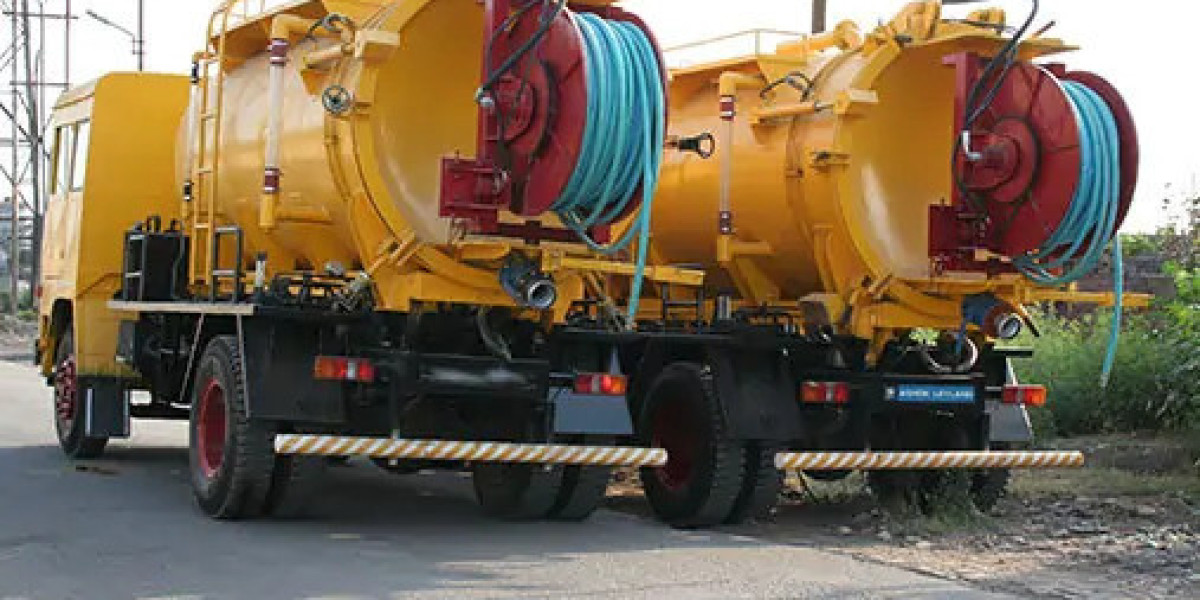

Sewer suction machines have become essential equipment for municipal bodies, contractors, and industries involved in sanitation and waste management. With increasing urbanization and growing pressure on drainage systems, choosing the right machine is crucial for efficiency, safety, and long-term performance. A well-equipped sewer suction machine not only improves cleaning operations but also reduces manual labor, operational costs, and health risks.
In this article, we will explore the key features you should look for when selecting a sewer suction machine, helping you make an informed and practical investment decision.
1. High-Power Vacuum System
The vacuum system is the heart of any sewer suction machine. It determines how effectively the machine can remove sludge, wastewater, and debris from sewer lines.
A high-performance vacuum pump ensures:
- Faster suction of waste materials
- Efficient handling of semi-solid and liquid waste
- Reduced cleaning time
Machines equipped with powerful vacuum systems can generate strong suction pressure, enabling them to clean even deep and heavily clogged sewer lines.
2. Adequate Tank Capacity
Tank capacity is another critical feature to consider. It defines how much waste the machine can store during operation.
Typical tank capacities range from:
- 500 liters (small-scale use)
- 3000–7000 liters (medium-scale operations)
- 10,000–15,000 liters (large municipal projects)
A larger tank reduces the need for frequent disposal trips, increasing productivity and saving time. However, smaller tanks may be more suitable for narrow streets and compact urban areas.
3. High-Pressure Jetting System (Optional but Recommended)
Many modern machines come with a combined suction and jetting system. This feature significantly enhances cleaning efficiency.
How it works:
- High-pressure water breaks down stubborn blockages
- The vacuum system then removes the loosened debris
This dual-function system is particularly useful for removing grease, sludge, and solid waste stuck inside pipelines.
4. Suction Depth Capability
Suction depth determines how deep the machine can extract waste from sewer lines or septic tanks.
Most machines offer:
- 6–8 meters suction depth for standard operations
- Higher depths for industrial applications
If your operations involve deep manholes or underground tanks, choosing a machine with higher suction depth is essential.
5. Durable and Corrosion-Resistant Tank
Since sewer suction machines deal with hazardous and corrosive materials, the tank must be built from high-quality materials such as:
- Stainless steel
- Mild steel with anti-corrosion coating
A robust tank ensures:
- Long service life
- Safe storage of waste
- Leak-proof operation
Durability is especially important in harsh working environments like municipal drainage systems.
6. Hydraulic Tipping Mechanism
A hydraulic tipping system makes it easy to unload collected waste safely and efficiently.
Benefits include:
- Faster disposal of sludge
- Reduced manual effort
- Improved operational efficiency
This feature is particularly useful for large-capacity machines handling high volumes of waste.
7. Engine Power and Performance
The engine plays a vital role in determining the overall performance of the machine. A powerful engine supports:
- Strong vacuum suction
- Efficient jetting operations
- Continuous heavy-duty usage
Machines with higher engine power are ideal for large-scale municipal and industrial applications.
8. Mobility and Mounting Type
Sewer suction machines are available in different configurations:
- Truck-mounted
- Trailer-mounted
- Tractor-mounted
- Portable units
Truck-mounted machines offer high mobility and are suitable for city-wide operations, while compact or trailer-mounted machines are better for rural or narrow areas.
Choosing the right mounting type depends on:
- Road conditions
- Area accessibility
- Scale of operation
9. User-Friendly Controls
Ease of operation is an important factor, especially for operators working in demanding conditions.
Look for machines with:
- Simple control panels
- Automated systems
- Safety indicators and gauges
User-friendly controls improve efficiency and reduce the risk of operational errors.
10. Flexible Hose and Nozzle System
The suction hose and nozzle design determine how effectively the machine can reach and clean different areas.
Key considerations:
- Hose length and flexibility
- Nozzle types for different blockages
- Ability to access narrow or deep pipelines
Well-designed hoses and nozzles enhance cleaning precision and efficiency.
11. Customization Options
Different applications require different machine configurations. A good sewer suction machine should offer customization in terms of:
- Tank size
- Pump capacity
- Mounting type
- Additional features like jetting systems
Customizable machines ensure that you get equipment tailored to your specific needs.
12. Safety Features
Safety is a major concern in sewer cleaning operations. Modern machines come equipped with features such as:
- Pressure control systems
- Emergency shut-off valves
- Vacuum relief valves
- Gas safety measures
These features protect both the operator and the equipment during operation.
13. Low Maintenance and Service Support
A reliable sewer suction machine should be easy to maintain and supported by a strong service network.
Key aspects to consider:
- Availability of spare parts
- Manufacturer support
- Maintenance requirements
Machines designed for low maintenance reduce downtime and operational costs.
14. Environmental and Hygiene Compliance
Modern sewer suction machines are designed to handle waste in an environmentally safe manner.
Important features include:
- Leak-proof storage tanks
- Proper waste disposal systems
- Reduced spillage and contamination
These features help maintain hygiene and comply with environmental regulations.
15. Versatility in Applications
A good sewer suction machine should be versatile enough to handle various tasks, such as:
- Sewer line cleaning
- Septic tank emptying
- Industrial sludge removal
- Stormwater drain maintenance
Versatile machines provide better value for money and can be used across multiple industries.
Conclusion
Choosing the right sewer suction machine requires careful evaluation of several key features. From vacuum power and tank capacity to mobility and safety systems, each component plays a crucial role in determining the machine’s efficiency and reliability.
Investing in a high-quality machine with advanced features ensures:
- Faster and more effective cleaning
- Reduced labor and operational costs
- Improved safety and hygiene standards
As urban infrastructure continues to expand, the demand for efficient sewer maintenance solutions will only grow. By focusing on the features discussed in this guide, you can select a sewer suction machine that meets your operational needs and delivers long-term performance.