
In today’s modern world, technology is making our homes and workplaces safer, smarter, and more convenient. Two important innovations leading this change are electronic access control systems and smart home automation systems. These technologies are designed to improve security, save time, and make everyday tasks easier. Whether it is controlling who enters a building or managing lights and appliances with a mobile phone, these systems are becoming essential in modern living. This blog explains both technologies in simple words and shows how they work together to create a smarter and safer environment.
What are Electronic Access Control Systems?
Electronic access control systems are security systems that control who can enter or exit a building or specific area. Instead of using traditional keys, these systems use digital methods such as key cards, PIN codes, mobile apps, or biometric data like fingerprints. The main purpose of these systems is to provide better security and control over access points. They are commonly used in offices, apartments, factories, and even homes to prevent unauthorized entry and protect people and property.
How Electronic Access Control Systems Work
Electronic access control systems work by verifying the identity of a person before allowing entry. When a user presents a card, enters a code, or scans their fingerprint, the system checks the information against stored data. If the details match, access is granted; if not, the door remains locked. These systems often include components such as readers, controllers, and locking mechanisms. Many modern systems are also connected to software that records entry and exit activity, helping in monitoring and security management.
Types of Electronic Access Control Systems
There are different types of access control systems designed for various needs. Card-based systems use RFID or magnetic cards for entry. Keypad systems require users to enter a PIN code. Biometric systems use fingerprints, facial recognition, or iris scans for high-level security. Mobile-based systems allow users to unlock doors using smartphones. Each type offers different levels of convenience and security, making it easier to choose based on specific requirements.
Benefits of Electronic Access Control Systems
Electronic access control systems offer many advantages. They improve security by restricting access to authorized individuals only. They eliminate the need for physical keys, reducing the risk of loss or duplication. They also provide detailed records of who enters and exits a building, which is useful for monitoring and audits. In addition, access permissions can be easily updated or removed, making these systems flexible and efficient.
What are Smart Home Automation Systems?
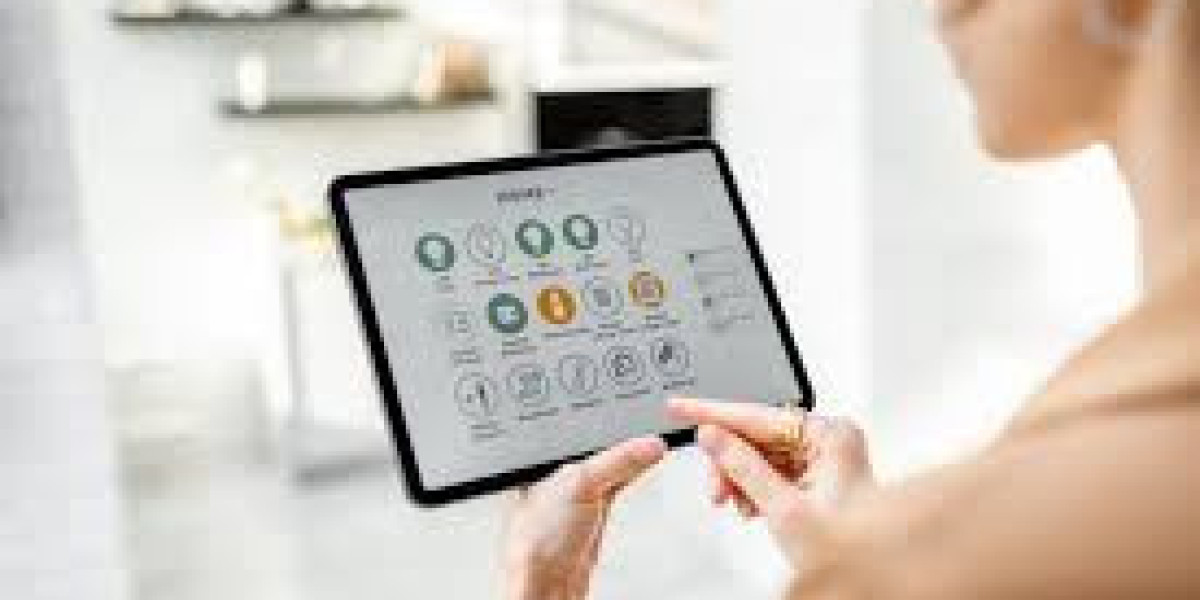
Smart home automation systems are technologies that allow homeowners to control and automate household devices using a smartphone, tablet, or voice commands. These systems connect different devices such as lights, fans, air conditioners, security cameras, and appliances into one network. The goal is to make homes more comfortable, energy-efficient, and secure. With smart automation, users can control their home even when they are not physically present.
How Smart Home Automation Works
Smart home automation works through a central system or hub that connects all devices. These devices communicate using the internet or wireless technologies like Wi-Fi, Bluetooth, or Zigbee. Users can control them through mobile apps or voice assistants. For example, you can turn off lights, adjust room temperature, or lock doors remotely. Automation can also be scheduled, such as setting lights to turn on at sunset or switching off appliances at bedtime.
Key Features of Smart Home Automation Systems
Smart home systems come with many useful features. Remote access allows users to control devices from anywhere. Voice control enables hands-free operation using assistants like Alexa or Google Assistant. Energy management helps reduce electricity usage by automating devices. Security features include smart cameras, door locks, and alarms. Integration is another key feature, allowing multiple devices to work together for a seamless experience.
Benefits of Smart Home Automation Systems
Smart home automation systems provide comfort, convenience, and efficiency. They save time by automating daily tasks. They improve energy efficiency, which helps reduce electricity bills. They also enhance security by allowing real-time monitoring and alerts. Additionally, they increase property value, as modern buyers prefer homes with advanced technology features.
Integration of Access Control and Smart Home Systems
When electronic access control systems are combined with smart home automation, they create a powerful and intelligent security solution. For example, a smart lock can be connected to a home automation system, allowing users to unlock doors remotely. Access can be granted to guests or service providers without physical keys. The system can also trigger actions, such as turning on lights when someone enters the house. This integration improves both security and convenience.
Applications in Residential and Commercial Spaces
These technologies are widely used in both homes and businesses. In residential spaces, they provide secure entry, remote monitoring, and automated control of household devices. In commercial spaces, they manage employee access, monitor activities, and improve operational efficiency. Industries such as hospitality, healthcare, and retail are increasingly adopting these systems to enhance safety and service quality.
Security Considerations
While these systems offer many benefits, it is important to consider security measures. Strong passwords and regular updates should be used to prevent hacking. Systems should be installed by professionals to ensure proper functioning. Data privacy is also important, as these systems collect and store user information. Choosing reliable and trusted technology providers can help reduce risks.
Future Trends in Smart Security Systems
The future of electronic access control and smart home automation is very promising. Technologies like artificial intelligence and the Internet of Things are making systems smarter and more efficient. Facial recognition, voice authentication, and predictive automation are becoming more common. These advancements will further improve security, convenience, and user experience.
Conclusion
Electronic access control systems and smart home automation systems are transforming the way we live and work. They provide better security, greater convenience, and improved efficiency. By understanding how these systems work and using them effectively, individuals and businesses can create safer and smarter environments. Investing in these technologies is a step toward a modern lifestyle where security and comfort go hand in hand.