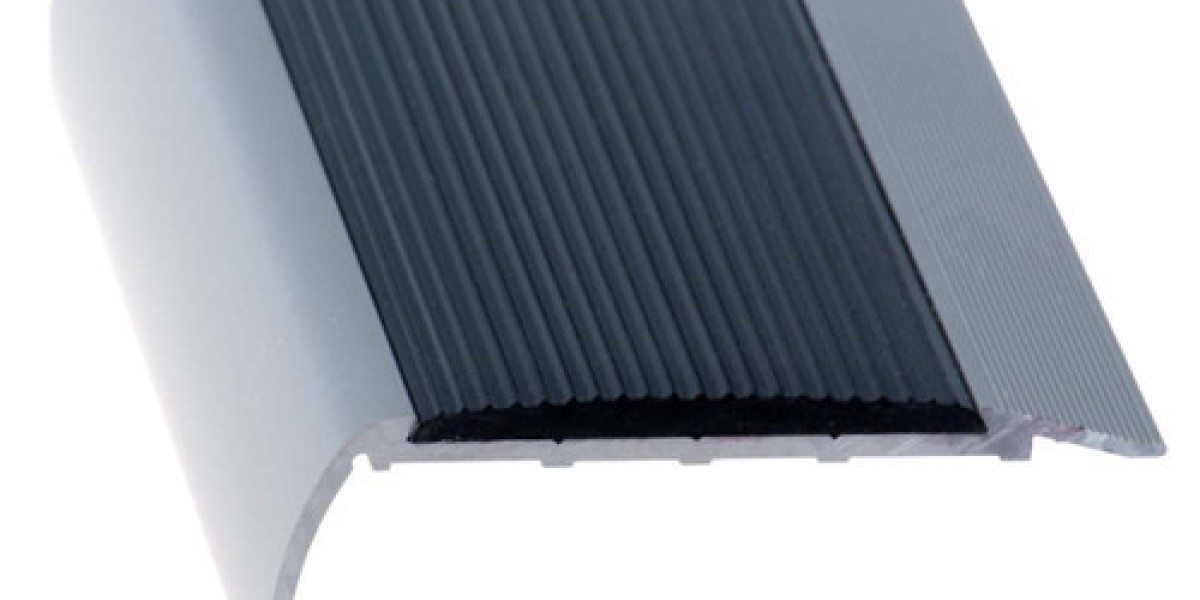

Safety in public and private spaces is not just a legal requirement—it is a responsibility. Whether it’s a workplace, a commercial building, or a public walkway, ensuring clear visibility and accessibility can prevent accidents and improve mobility for everyone. Two essential elements that support safety compliance are reflective tape and tactile ground safety indicators (TGSIs). This blog explains what reflective tape compliance means, the importance of tactile indicators, and how both work together to create safer environments in simple and easy words.
What is Reflective Tape Compliance?
Reflective tape compliance means using special reflective materials according to safety rules and standards. These tapes are designed to reflect light, making objects clearly visible in dark or low-light conditions. They are commonly used in warehouses, construction sites, parking areas, roads, and industrial locations. The main purpose is to reduce accidents by improving visibility and helping people easily identify hazards and pathways.
Why Reflective Tape is Important
Reflective tape is very important because it increases safety in different environments. It improves visibility by reflecting light, making it easier to see objects in the dark. It reduces workplace accidents by highlighting dangerous areas like machinery, steps, and edges. It also helps businesses follow legal safety requirements, as many regulations require proper marking of hazards using reflective materials.
Key Features of Compliant Reflective Tape
Compliant reflective tape must have certain qualities to be effective. It should have high reflectivity so it can be seen from different angles. It must be durable to handle weather, heavy usage, and wear over time. Strong adhesion is important so the tape sticks properly to surfaces like metal, wood, or concrete. Color coding is also essential, as different colors indicate different meanings such as yellow and black for hazards, red for danger, and white for general use.
What are Tactile Ground Safety Indicators (TGSIs)?
Tactile Ground Safety Indicators are specially designed textured surfaces installed on the ground to help people with vision impairments move safely. These indicators can be felt underfoot or with a walking cane. They are commonly installed in places like footpaths, train stations, shopping centers, and public buildings. Their main purpose is to provide guidance and warning through touch instead of sight.
Types of Tactile Indicators
There are two main types of tactile indicators used for safety and navigation. Warning indicators have raised dots and are used to alert people about hazards such as stairs, platform edges, or road crossings. Directional indicators have raised lines and guide people along a safe path, helping them move in the correct direction without confusion.
Importance of Tactile Ground Safety Indicators
Tactile indicators are important because they improve accessibility and safety. They help people with vision impairments move independently and confidently. They also prevent accidents by warning about dangers like steps or edges. In many regions, installing tactile indicators is a legal requirement in public areas to ensure equal access and safety for everyone.
Materials Used in Tactile Indicators
Tactile indicators are made from strong and long-lasting materials to ensure durability. Common materials include stainless steel, polyurethane, rubber, and ceramic. These materials are selected based on the environment and how much foot traffic the area receives, ensuring that the indicators remain effective over time.
Reflective Tape and Tactile Indicators: How They Work Together
Reflective tape and tactile indicators work together to create a complete safety system. Reflective tape provides visual guidance by making areas visible in low light, while tactile indicators provide physical guidance through touch. Reflective tape is especially useful at night, whereas tactile indicators are effective at all times. Combining both solutions ensures safety for everyone, including people with visual impairments, making spaces more inclusive.
Where to Use These Safety Solutions
These safety solutions can be used in many places to improve safety and accessibility. In commercial buildings like malls, offices, and hotels, they help guide visitors and mark hazards. In public infrastructure such as railway stations, airports, and footpaths, they ensure safe movement for large numbers of people. Industrial workplaces use reflective tape to mark dangerous areas, while educational institutions use both solutions to create safer environments for students and staff.
Compliance Standards to Consider
When installing reflective tape and tactile indicators, it is important to follow local safety standards. These standards include guidelines for proper placement, material quality, color contrast, and size. Following these rules ensures that the safety measures are effective and legally compliant, reducing the risk of penalties and accidents.
Installation Best Practices
Proper installation is essential for effectiveness. Surfaces should be clean and dry before applying reflective tape or installing tactile indicators. Correct placement is important, especially in high-risk areas like stairs, ramps, and crossings. Regular maintenance is also necessary to check for wear and damage and replace materials when needed.
Benefits of Using Both Solutions
Using both reflective tape and tactile indicators offers many advantages. It increases safety by reducing accidents and injuries. It improves accessibility for people with disabilities and supports inclusive design. It also gives a professional and organized appearance to spaces. Most importantly, it helps meet safety regulations and legal requirements.
Common Mistakes to Avoid
There are some common mistakes that should be avoided. Using low-quality materials can reduce effectiveness and lead to faster wear. Incorrect placement can confuse users and reduce safety. Ignoring maintenance can make indicators ineffective over time, increasing the risk of accidents.
Future of Safety Solutions
Safety solutions are continuously improving with new technology. Modern innovations include glow-in-the-dark reflective materials, smart tactile systems, and eco-friendly options. These advancements aim to make safety solutions more effective, durable, and environmentally friendly.
Conclusion
Reflective tape compliance and tactile ground safety indicators are essential for creating safe and accessible environments. Reflective tape improves visibility, while tactile indicators provide guidance through touch. Together, they ensure safety for all individuals, including those with visual impairments. By understanding and properly using these solutions, businesses and public spaces can reduce risks, follow regulations, and promote inclusivity. Investing in these safety measures is not just about meeting rules—it is about protecting lives and creating a better and safer environment for everyone.