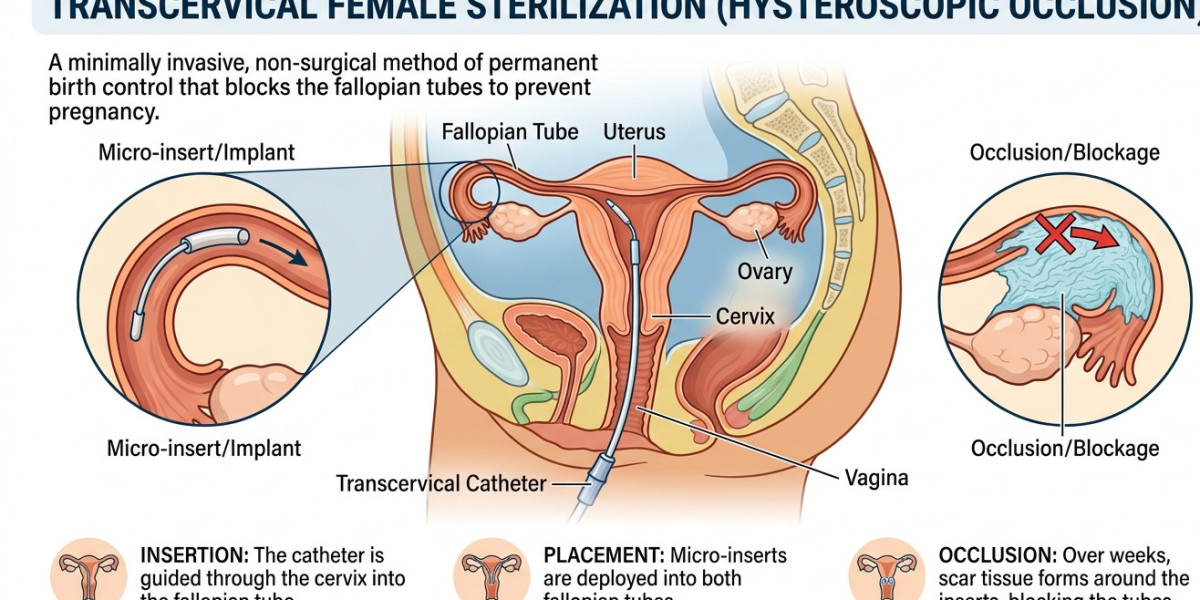

The global Transcervical Female Sterilization Market is witnessing steady expansion as demand for minimally invasive and effective contraceptive methods continues to rise. Transcervical sterilization, a non-surgical procedure performed through the cervix without the need for incisions, has gained traction among women seeking permanent birth control options with reduced recovery time and fewer complications. The increasing awareness of family planning, growing healthcare infrastructure, and supportive government initiatives are key contributors to market growth. Additionally, technological advancements in medical devices are further enhancing the safety, efficiency, and acceptance of transcervical sterilization procedures worldwide.
The Transcervical Female Sterilization Market Trend reflects a shift toward minimally invasive and patient-friendly procedures. Healthcare providers and patients alike are favoring techniques that reduce hospital stays and postoperative discomfort. Innovations in hysteroscopic devices and improved imaging technologies have significantly enhanced the precision and success rates of transcervical sterilization. Moreover, the integration of digital healthcare tools and telemedicine for consultation and follow-up care is becoming increasingly common, contributing to the overall market expansion. These trends are shaping the future of female sterilization by making procedures more accessible, efficient, and aligned with modern healthcare expectations.
Get Sample PDF @ https://www.theinsightpartners.com/sample/TIPRE00019300
One of the primary drivers of this market is the rising global population and the corresponding need for effective family planning solutions. Governments and health organizations across both developed and developing nations are promoting contraception to manage population growth and improve maternal health outcomes. Transcervical sterilization offers a permanent solution without the risks associated with traditional surgical methods, making it an attractive option for many women. Furthermore, increasing female participation in the workforce has led to a greater emphasis on long-term reproductive planning, thereby boosting demand for reliable sterilization methods.
Another significant factor contributing to market growth is the advancement in medical technology. The development of next-generation hysteroscopic devices has improved the accuracy and safety of transcervical procedures. These devices allow physicians to perform sterilization with enhanced visualization and control, reducing the likelihood of complications. Additionally, ongoing research and development efforts are focused on creating more efficient and cost-effective solutions, which are expected to further drive market adoption in the coming years.
However, the market also faces certain challenges that could hinder its growth. Concerns regarding the safety and long-term effects of some sterilization devices have led to increased regulatory scrutiny in several regions. In some cases, product recalls and legal issues have impacted consumer confidence and slowed market expansion. Moreover, cultural and religious beliefs in certain parts of the world may limit the acceptance of permanent sterilization methods, posing a barrier to widespread adoption.
Despite these challenges, the market presents significant opportunities for growth. Emerging economies, particularly in Asia-Pacific and Latin America, are expected to offer lucrative prospects due to improving healthcare infrastructure and increasing awareness of reproductive health. Governments in these regions are actively investing in family planning programs and expanding access to contraceptive services, which is likely to drive demand for transcervical sterilization procedures. Additionally, partnerships between public and private healthcare providers are helping to enhance the availability and affordability of these services.
The competitive landscape of the Transcervical Female Sterilization Market is characterized by the presence of several key players focusing on innovation and strategic collaborations. Companies are investing in research and development to introduce advanced products that meet regulatory standards and address patient concerns. Mergers, acquisitions, and partnerships are also common strategies employed to strengthen market position and expand geographic reach. As competition intensifies, companies are increasingly prioritizing product safety, efficacy, and patient satisfaction to gain a competitive edge.
Looking ahead, the future of the Transcervical Female Sterilization Market appears promising, with continued advancements in medical technology and increasing acceptance of minimally invasive procedures. The growing emphasis on women’s health and reproductive rights is expected to further drive market growth. Additionally, the integration of artificial intelligence and data analytics in healthcare could enhance procedural outcomes and patient monitoring, paving the way for more personalized and effective sterilization solutions.
Related Report:
1) Cables for Endoscopes Market Size, Trends & Growth by 2034
2) Surgical Smart Glasses Market Size, Trends & Growth Forecast 2034
3) Brachytherapy Devices Market Share, Size & Demand by 2034
About Us -
The Insight Partners provides comprehensive syndicated and tailored market research services in the healthcare, technology, and industrial domains. Renowned for delivering strategic intelligence and practical insights, the firm empowers businesses to remain competitive in ever-evolving global markets.
Contact Information –
Email: sales@theinsightpartners.com
Phone: +1-646-491-9876
Also Available in : Korean German Japanese French Chinese Italian Spanish