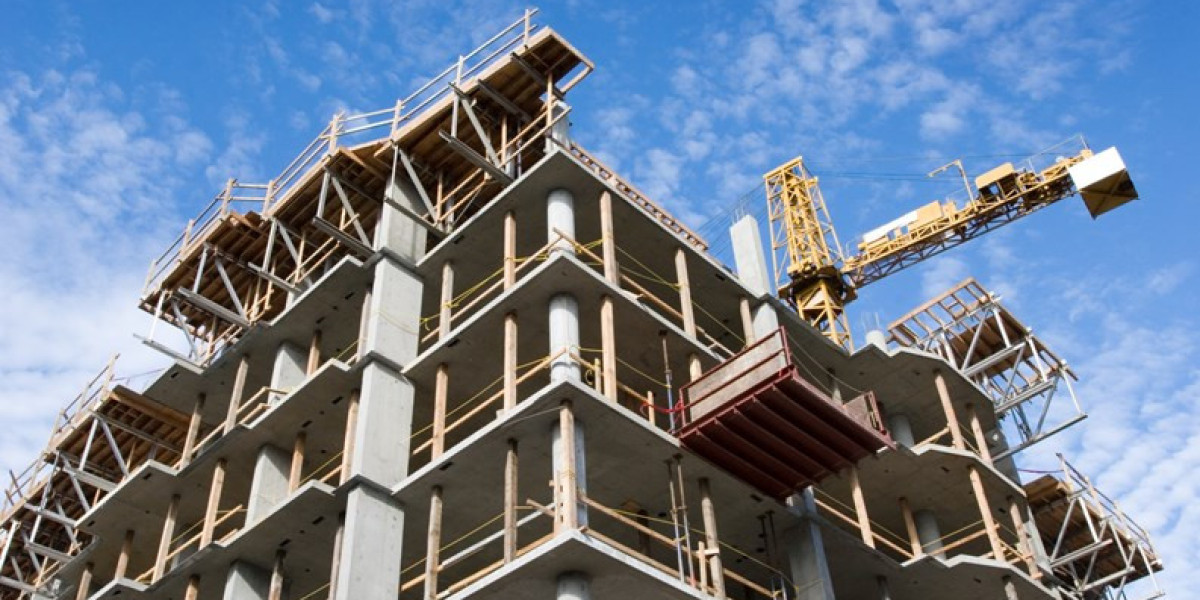

The United States multifamily commercial construction sector is undergoing a significant transformation, shifting from single-family suburban dominance to high-density residential models to address a housing shortage estimated between 4 and 6 million units.
This deficit is a consequence of underbuilding following the 2008 financial crisis, creating high demand for innovative and scalable housing solutions.
"Suburbanization" and Evolving Demographics
The trend of "suburbanization" is emerging, where urban-style density, walkability, and amenities are being integrated into suburban corridors. This caters to:
Millennials: Entering peak earning years and seeking more space.
Baby Boomers: Looking to downsize into "lock-and-leave" lifestyles while maintaining proximity to urban centers.
Economic Drivers and the "Renter-by-Choice" Segment
High interest rates and a changing cultural sentiment towards homeownership are reshaping the market. The "renter-by-choice" segment, comprised of high-earning professionals prioritizing mobility, services, and curated experiences over long-term debt and maintenance, is expanding.
This makes the multifamily market a primary target for institutional capital, with construction starts focusing on Class A developments for consistent yields and high occupancy.
Contemporary Market Trends and Resident Demands
Developers are differentiating assets through innovative approaches:
Co-Living and Shared Economy Models
Addresses affordability issues in Tier 1 and Tier 2 cities (e.g., Austin, Nashville, Seattle).
Offers private bedrooms with shared high-end kitchens and living areas to increase density and revenue per square foot.
Lowers entry price points and fosters community for mobile workforces.
Construction requires specialized layouts with enhanced STC (Sound Transmission Class) ratings for acoustic privacy and durable finishes for communal areas.
Luxury Amenity Arms Race
Basic amenities are insufficient; "wellness-centric" infrastructure is key, including cold plunge pools, infrared saunas, and salt rooms.
Biophilic design (living green walls, rooftop gardens) is standard for resident well-being.
Pet-specific infrastructure (indoor dog parks, pet spas) is crucial for high occupancy.
The traditional lobby is evolving into sophisticated co-working hubs with private "Zoom rooms," podcast studios, and high-end beverage service. These are now core architectural components.
Tech-Forward Living and Digital Infrastructure
Protech (Property Technology) is integrated from the design phase.
Building-wide IoT (Internet of Things) ecosystems for smart climate control, leak detection, and universal smart-lock systems.
High-speed connectivity via fiber-optic networks is considered a primary utility.
Future-proofing includes EV (Electric Vehicle) charging stations in at least 20% of parking stalls and robust cellular boosters for seamless 5G coverage.
Technological integration enhances resident experience and provides data for optimizing building performance, reducing energy waste, and lowering operational expenditures.
Innovative Building Materials and Methodologies
Developers are adopting high-tech alternatives to offset rising labor costs and meet ESG targets:
Mass Timber and Cross-Laminated Timber (CLT)
Gaining traction, especially in the Pacific Northwest and Midwest.
Offers a significantly lower carbon footprint than steel or concrete.
CLT sequesters CO2 within the structure.
International Building Code (IBC) updates allow mass timber residential buildings up to eighteen stories.
Natural insulating properties lead to lower heating and cooling costs.
Modular and Prefabricated Construction
Addresses the shortage of skilled tradespeople by moving construction off-site.
Entire apartment units are assembled in factories and transported for "stacking."
Can compress project timelines by 30-50% and reduce material waste.
Factory-controlled environments ensure higher energy performance and consistent finish quality.
"Panelized" systems (walls and floor cassettes) offer a middle ground between traditional buildings and full modularity.
Sustainable Materials and 3D Concrete Printing
Shift towards low-carbon concrete mixes (fly ash, slag, carbon-injected aggregates).
3D concrete printing is emerging for low-rise multifamily developments, automating structural wall placement with robotic gantry systems.
Reduces on-site labor and allows for complex architectural geometries.
Integrates insulation and utility channels directly into the wall structure during printing.
Navigating the Regulatory Landscape and Zoning
Regulatory navigation is complex due to the conflict between housing demand and "NIMBYism" (Not In My Backyard):
Zoning Challenges and the "Missing Middle"
Cities are re-evaluating exclusionary zoning laws.
The "YIMBY" (Yes In My Backyard) movement promotes "Missing Middle" housing (duplexes, townhomes, small apartment buildings).
Cities like Minneapolis and states like Oregon and California have eliminated single-family-only zoning or eased ADU (Accessory Dwelling Unit) regulations.
Developers must navigate complex entitlement processes, public hearings, and environmental impact reports.