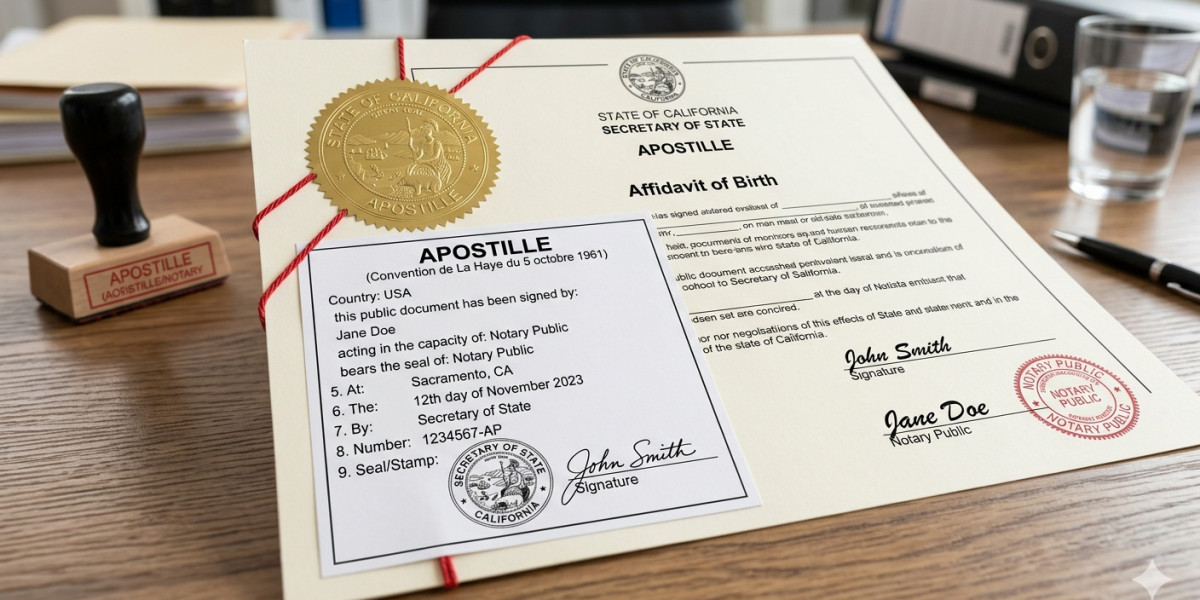

When planning to travel abroad for education, employment, or immigration, document legalization becomes a crucial step. Many individuals assume that apostille is universally accepted, but that is not entirely true. Apostille is applicable only for countries that are part of the Hague Convention. If you are looking for reliable assistance, professional support like Apostille services in Delhi can help simplify the process and ensure your documents are processed without delays.
Understanding whether apostille or attestation is required depends on your destination country. Hague Convention countries accept apostille as a valid form of document legalization, eliminating the need for embassy attestation. However, non-member countries require a more detailed attestation process. To avoid confusion and ensure accuracy, expert guidance such as Apostille services in chennai can help you determine the correct process based on your needs.
Different types of documents require apostille depending on your purpose of travel. For instance, personal documents like birth certificates are often required for immigration or dependent visas. Completing a birth certificate apostille ensures that your document is legally recognized in foreign countries that are part of the Hague Convention. Accuracy in documentation is essential to avoid rejection or delays.
Similarly, for spouse visas or family-related immigration, marriage certificates must be legalized properly. A marriage certificate apostille confirms the authenticity of your marital status for international use. Ensuring all details are correct before submission helps in smooth processing and acceptance by foreign authorities.
What is Apostille and Why is it Important?
Apostille is a form of authentication issued by the Ministry of External Affairs (MEA) in India. It certifies that a document is genuine and can be accepted in countries that are part of the Hague Apostille Convention. This process eliminates the need for further embassy legalization, making it faster and more convenient.
Apostille is commonly required for documents such as educational certificates, personal documents, and commercial papers. Whether you are applying for a job abroad or pursuing higher education, apostille ensures your documents are legally valid and recognized internationally.
Is Apostille Required for All Countries?
The simple answer is no. Apostille is only valid for countries that are members of the Hague Convention. If your destination country is part of this convention, apostille is sufficient for document legalization. However, if the country is not a member, you will need to go through the attestation process.
This distinction is critical because submitting the wrong type of authentication can lead to delays, rejection, or additional costs. Therefore, it is important to verify the requirements of your destination country before starting the process.
List of Countries Accepting Apostille
There are more than 120 countries that accept apostille under the Hague Convention. Some of the most popular destinations include:
United States of America (USA)
United Kingdom (UK)
Germany
France
Italy
Spain
Netherlands
Australia
Japan
South Korea
These countries accept apostille as a valid form of document legalization, which simplifies the process significantly.
Countries That Do Not Accept Apostille
Countries that are not part of the Hague Convention require attestation instead of apostille. Some common examples include:
United Arab Emirates (UAE)
Qatar
Kuwait
Saudi Arabia
China
For these countries, documents must go through multiple levels of verification, including notary, state authentication, MEA attestation, and embassy attestation.
Apostille vs Attestation: Key Differences
Understanding the difference between apostille and attestation is essential:
Apostille:
Applicable for Hague Convention countries
Single-step authentication by MEA
Faster and simpler process
Attestation:
Required for non-Hague countries
Multi-step process involving embassy verification
More time-consuming
Choosing the correct process ensures that your documents are accepted without any issues.
Types of Documents That Require Apostille
Apostille is required for various types of documents depending on your purpose:
1. Educational Documents
Degree certificates
Diplomas
Transcripts
2. Personal Documents
Birth certificates
Marriage certificates
Police Clearance Certificate (PCC)
3. Commercial Documents
Power of attorney
Company registration certificates
Agreements and invoices
Each document type may require different verification steps before apostille.
Apostille Process in India
The apostille process in India typically involves the following steps:
Notary Attestation (if required)
State Level Verification (HRD/Home Department/SDM)
MEA Apostille Stamp
The exact process may vary depending on the type of document and issuing authority. Ensuring that all steps are completed correctly is essential for successful authentication.
Common Mistakes to Avoid
Many applicants face delays due to common mistakes such as:
Submitting incorrect or incomplete documents
Choosing the wrong legalization process
Errors in personal details
Lack of proper verification
Avoiding these mistakes can save time and prevent rejection.
Why Choose Professional Apostille Services?
Handling the apostille process independently can be confusing and time-consuming. Professional services like Secure Apostille Services provide expert guidance, ensuring that your documents are processed accurately and quickly.
Benefits of choosing professionals include:
End-to-end document handling
Faster processing time
Reduced chances of rejection
Real-time updates and support
With expert assistance, you can focus on your travel or career plans without worrying about documentation.
Conclusion
Apostille is not required for all countries—it depends on whether your destination country is part of the Hague Convention. Understanding this distinction is crucial to ensure smooth document legalization. While apostille simplifies the process for many countries, others still require detailed attestation procedures.
By choosing the right approach and seeking professional assistance from Secure Apostille Services, you can ensure a hassle-free experience. Whether you are planning to study, work, or settle abroad, proper documentation is the key to a successful international journey.