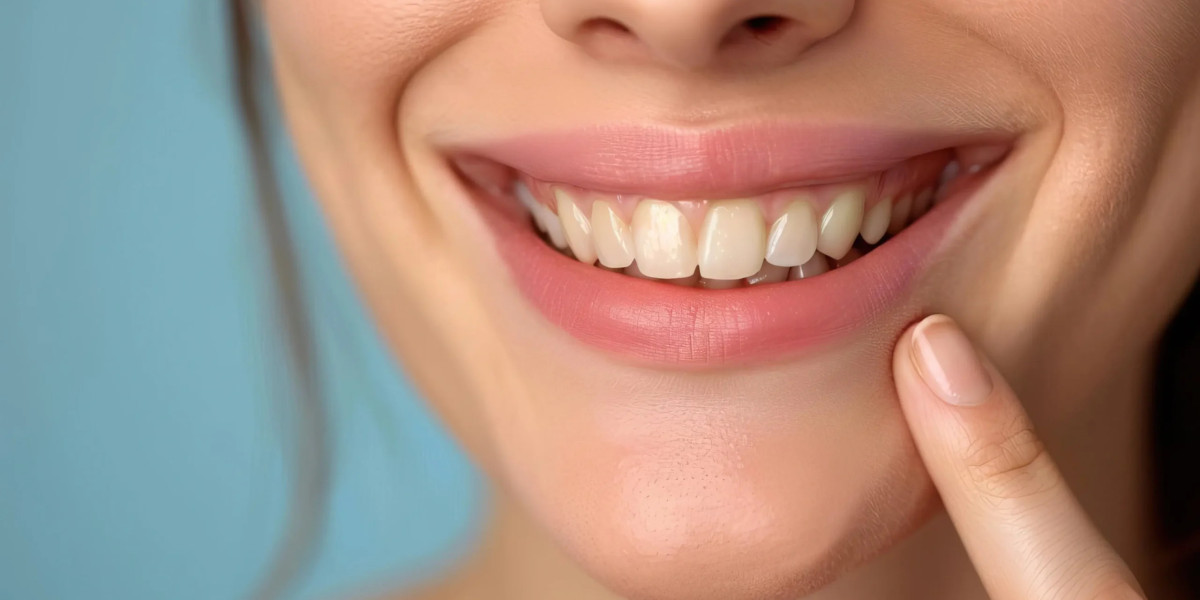

Teeth cleaning plays an important role in keeping oral health strong and stable over time. When food particles and plaque stay on the teeth for too long, they gradually turn into harmful buildup that weakens enamel and increases the risk of cavities. Regular professional care helps remove these deposits before they cause long-term damage. Teeth Cleaning in Dubai is often discussed as a preventive approach that supports healthier teeth and gums through careful removal of plaque and tartar. This process is designed to maintain a cleaner mouth environment and reduce the chances of tooth decay developing silently over time. It also helps individuals maintain fresher breath and a brighter smile without relying on complicated routines.
Understanding Tooth Decay and Oral Buildup
Tooth decay begins when bacteria in the mouth feed on leftover food particles, especially sugars and starches. These bacteria produce acids that slowly wear down tooth enamel. If plaque is not removed regularly, it hardens into tartar, which becomes difficult to eliminate through regular brushing alone. Over time, this leads to cavities, sensitivity, and gum irritation.
The early stages of decay often go unnoticed because there may be no pain or visible signs. However, the damage continues beneath the surface. This is why consistent oral hygiene habits combined with professional cleaning are essential. A clean tooth surface makes it harder for bacteria to stick and multiply, reducing the risk of decay forming in the first place.
How Professional Cleaning Supports Oral Protection
Professional cleaning focuses on removing plaque and hardened tartar from areas that are hard to reach with daily brushing. Even with good oral hygiene habits, small spaces between teeth and along the gumline can trap debris. Over time, this buildup can lead to inflammation and cavities if not addressed.
During cleaning, the tooth surface is carefully cleared so that bacteria have fewer places to grow. This not only helps prevent decay but also supports healthier gums. Cleaner teeth also allow individuals to maintain better oral hygiene at home because smooth surfaces are easier to keep free from buildup.
Another important aspect is that cleaning helps identify early signs of potential dental issues. When plaque is removed regularly, it becomes easier to notice changes in teeth and gums before they develop into more serious conditions.
Two Main Cleaning Approaches Used by Dental Professionals
There are two commonly used approaches in professional dental cleaning, each serving a different purpose depending on oral health condition. The first approach is routine cleaning, which focuses on removing surface plaque and light tartar. This method is suitable for maintaining general oral hygiene and preventing early stages of decay. It helps keep teeth polished and reduces bacterial accumulation on a regular basis.
The second approach is deeper cleaning, which targets buildup that extends below the gumline. This method is often used when plaque has hardened into tartar that affects gum health. It involves more detailed cleaning of tooth roots and deeper areas to reduce bacterial pockets. By addressing these hidden areas, it helps prevent more serious decay and supports gum stability.
Both approaches are designed to improve oral cleanliness and protect teeth from long-term damage. They work together to ensure that both visible surfaces and deeper areas of the mouth remain free from harmful buildup.
Key Benefits for Long-Term Oral Health
One of the main advantages of professional cleaning is the reduction of plaque accumulation. When plaque is removed regularly, the chances of cavity formation decrease significantly. This helps maintain stronger enamel and reduces sensitivity caused by decay.
Another benefit is improved gum health. Clean teeth reduce irritation and inflammation in the gums, allowing them to stay firm and healthy. This also lowers the risk of gum-related problems that can eventually affect tooth stability.
Fresh breath is another positive outcome. Since bacteria are a major cause of unpleasant odor, removing them through cleaning helps maintain a fresher mouth throughout the day.
Additionally, cleaner teeth contribute to overall oral comfort. Eating and speaking feel more natural when there is no buildup causing discomfort or sensitivity.
FAQs
How does tooth decay begin if oral hygiene is not maintained?
Tooth decay begins when bacteria feed on food particles left on teeth. These bacteria produce acids that gradually weaken enamel, leading to cavities if not controlled early.
Why is regular cleaning important even with daily brushing?
Daily brushing helps remove surface debris, but it may not reach all hidden areas. Professional cleaning clears hardened deposits that brushing cannot remove effectively, helping prevent decay from developing in difficult spots.
Can early signs of decay be reversed?
Early signs of decay may be managed if addressed quickly through proper cleaning and improved oral care habits. Removing plaque early helps stop further damage to enamel.
What role does plaque play in tooth decay?
Plaque acts as a sticky layer that holds bacteria on the tooth surface. If not removed, it hardens into tartar and increases acid production, which leads to enamel erosion and cavities.
Why Regular Cleaning Matters for Lasting Protection
Consistent oral cleaning plays a major role in preventing long-term dental issues. When plaque and tartar are controlled, the mouth remains in a healthier condition and teeth are less likely to develop cavities. Preventive care helps reduce hidden damage that may not be visible in the early stages but can progress over time. Teeth Cleaning is often associated with maintaining this level of preventive care, where both surface and deep cleaning help reduce the risk of decay and support stronger oral hygiene habits. Regular attention to oral cleanliness ensures that teeth remain protected against bacterial buildup and enamel weakening.
Conculsion
Preventing tooth decay requires more than basic daily brushing, as hidden plaque and tartar can still affect oral health over time. Professional cleaning supports a deeper level of protection by removing buildup that contributes to cavities and gum irritation. It helps maintain stronger enamel, healthier gums, and a cleaner oral environment overall. With consistent care and attention, individuals can enjoy long-lasting dental wellness and reduced risk of decay. A proactive approach to oral hygiene ensures that teeth remain strong, clean, and well-protected for the future, supporting both comfort and confidence in everyday life.