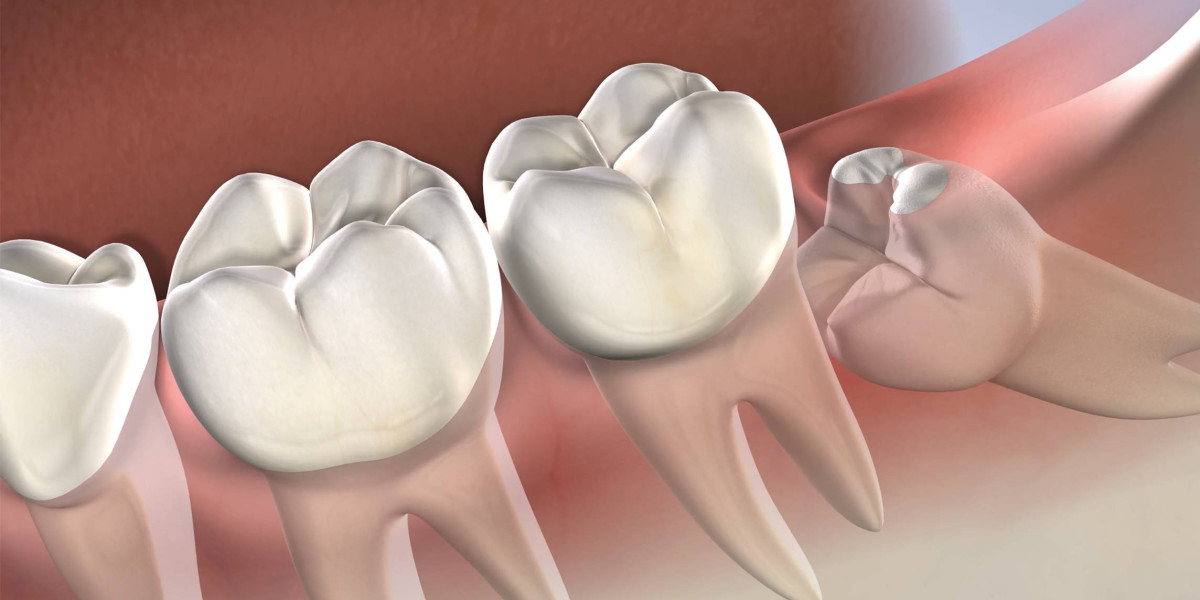

Wisdom tooth extraction is a routine dental procedure, but the recovery period can be delicate. Even small mistakes during healing can prolong discomfort, increase swelling, or lead to serious complications such as dry socket or infection. Understanding common recovery pitfalls and how to avoid them is essential for ensuring a smooth and safe recovery. This guide outlines the most frequent mistakes patients make after Wisdom Tooth Extraction In Dubai and offers practical strategies for optimal healing.
Why Proper Post-Operative Care Matters?
After a wisdom tooth is removed, the body begins repairing soft tissue and bone. The formation of a stable blood clot in the extraction site is the first critical step in healing. Disrupting this clot, neglecting hygiene, or engaging in risky behaviors can slow recovery and lead to painful complications. Following professional guidance and avoiding common mistakes supports faster tissue regeneration, reduces swelling, and minimizes discomfort.
Common Recovery Mistakes to Avoid:
1. Ignoring Blood Clot Protection:
The blood clot in the extraction socket is essential for healing. Common mistakes include:
- Using Straws or Sucking Motions: The suction can dislodge the clot, causing dry socket.
- Spitting Forcefully: Similar to sucking, forceful spitting can disturb clot formation.
- Touching the Site With Fingers or Tongue: Introducing bacteria or disrupting the clot increases infection risk.
2. Neglecting Pain and Swelling Management:
Pain and swelling are normal but must be managed effectively:
- Skipping prescribed pain medications can lead to unnecessary discomfort.
- Ignoring ice pack therapy during the first 48 hours can result in excessive swelling and bruising.
- Resuming strenuous activity too soon can exacerbate inflammation and bleeding.
3. Poor Oral Hygiene:
Failing to maintain gentle oral hygiene can introduce bacteria to the surgical site:
- Not rinsing with warm saltwater 24 hours after surgery can increase infection risk.
- Brushing aggressively near the extraction site can disturb healing tissue.
- Using alcohol-based mouthwashes early may irritate sensitive gums.
4. Eating the Wrong Foods:
Diet plays a crucial role in recovery, but common mistakes include:
- Eating hard, crunchy, or chewy foods that irritate the site or dislodge the clot.
- Consuming spicy, acidic, or sticky foods that increase inflammation or infection risk.
- Drinking alcohol or carbonated beverages that interfere with healing and medication effectiveness.
5. Smoking During Recovery:
Smoking significantly increases the risk of complications:
- Nicotine restricts blood flow and delays tissue regeneration.
- Inhaling smoke can dislodge the blood clot, leading to dry socket.
- Smoking increases susceptibility to infection and prolongs swelling.
6. Overlooking Hydration and Nutrition:
- Failing to drink enough water can slow healing and increase discomfort.
- Neglecting protein, vitamins, and minerals limits the body’s ability to repair tissue.
- Relying solely on sugary or processed foods can feed bacteria and increase inflammation.
7. Skipping Follow-Up Appointments:
- Missing scheduled checkups prevents early identification of complications.
- Delaying professional intervention for swelling, bleeding, or persistent pain can worsen outcomes.
Tips to Avoid Recovery Mistakes:
Protect the Blood Clot:
- Bite gently on gauze as directed by your dentist.
- Avoid straws, spitting, and touching the site with fingers.
- Rest and keep your head elevated to reduce pressure on the clot.
Manage Pain and Swelling:
- Use ice packs intermittently during the first 48 hours.
- Take prescribed medications on schedule.
- Avoid strenuous activity for at least 2–3 days post-surgery.
Maintain Oral Hygiene:
- Begin gentle saltwater rinses 24 hours after surgery.
- Brush surrounding teeth carefully with a soft-bristled toothbrush.
- Avoid alcohol-based mouthwashes until cleared by your dentist.
Follow a Soft, Nutrient-Rich Diet:
- Consume yogurt, smoothies, mashed potatoes, and soups.
- Incorporate protein and anti-inflammatory foods like eggs, tofu, and steamed vegetables.
- Gradually reintroduce firmer foods as swelling and tenderness subside.
Avoid Smoking and Alcohol:
- Abstain from smoking for at least 72 hours, ideally longer.
- Avoid alcohol while taking medications or during early recovery.
Stay Hydrated and Rested:
- Drink plenty of water to support healing.
- Prioritize sleep and relaxation to allow your body to repair tissue efficiently.
Monitor Symptoms and Attend Follow-Ups:
- Track pain, swelling, and bleeding to notice abnormal changes.
- Contact your dentist promptly if you experience severe pain, prolonged bleeding, pus, or numbness.
- Attend all follow-up appointments to ensure proper recovery.
Recovery Mistakes That Can Be Prevented:
Many post-extraction issues are preventable with awareness and care:
- Dry Socket: Avoid sucking motions, smoking, and hard foods.
- Infection: Maintain oral hygiene and eat soft, nutritious foods.
- Excessive Swelling or Bleeding: Use ice packs, rest, and elevate the head.
- Delayed Healing: Prioritize hydration, nutrition, and adequate sleep.
Conclusion:
Recovery after Wisdom Tooth Extraction is a critical period that requires attention and care. Common mistakes, such as disturbing the blood clot, neglecting oral hygiene, eating the wrong foods, or smoking, can slow healing and lead to complications. By following professional advice, protecting the extraction site, maintaining a soft nutrient-rich diet, managing pain and swelling, and attending follow-up appointments, patients can avoid these pitfalls and ensure a smooth recovery.
Being proactive, informed, and cautious during the post-extraction period empowers patients to heal safely, minimize discomfort, and maintain long-term oral health after wisdom tooth removal. Proper care is not just about comfort—it is essential for a successful recovery and preventing avoidable complications.