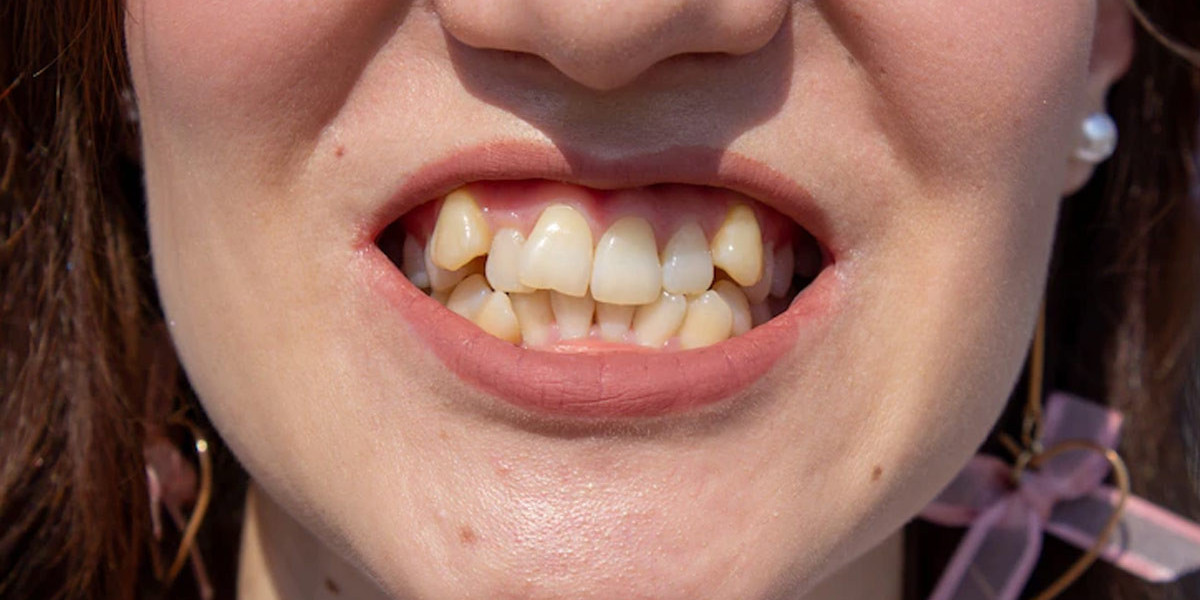

Crowded teeth are a common orthodontic concern, but their effects extend beyond aesthetics. Misaligned teeth often coincide with jaw alignment issues, impacting bite function, oral hygiene, and overall dental health. Understanding how Crowded Teeth Treatment in Dubai and jaw alignment correction work together is essential for achieving both functional and aesthetic results.
The Link Between Crowded Teeth and Jaw Misalignment:
Crowded teeth occur when the jaw does not provide enough space for all teeth, causing overlap, rotation, or displacement. This lack of space can also influence how the upper and lower jaws meet, leading to malocclusion. Common bite issues associated with crowded teeth include overbite, underbite, crossbite, and open bite. When the jaws are misaligned, chewing efficiency decreases, jaw muscles are strained, and temporomandibular joint (TMJ) discomfort can develop. Addressing both tooth crowding and jaw alignment is crucial for comprehensive orthodontic care.
Signs That Jaw Alignment May Be Affected:
Crowded teeth with jaw misalignment often present specific indicators. These include difficulty biting or chewing, uneven wear on teeth, jaw clicking or popping, frequent headaches, and facial asymmetry. Speech difficulties or discomfort while eating may also signal underlying bite issues. Early detection of these signs allows orthodontists to design an effective treatment plan that addresses both dental crowding and jaw positioning.
How Treatment Improves Function and Comfort?
Orthodontic treatment for crowded teeth, when combined with jaw alignment correction, improves oral function significantly. Braces or clear aligners gradually move teeth into proper positions, while specialized devices or elastics may guide jaw growth and alignment. By correcting malocclusion and distributing bite forces evenly, patients experience less jaw strain, reduced TMJ discomfort, and improved chewing efficiency. Functional improvements not only enhance daily comfort but also prevent long-term wear and dental complications.
Treatment Options for Crowded Teeth and Jaw Alignment:
Several orthodontic approaches address both crowded teeth and jaw alignment, tailored to the severity of the condition. Traditional braces are highly effective for complex cases, allowing precise control over tooth and bite correction. Clear aligners provide a less visible option for mild to moderate crowding and minor jaw adjustments, offering convenience for adults and teens. In severe cases, tooth extraction may be required to create adequate space for alignment. For patients with skeletal discrepancies, orthognathic surgery may be recommended to reposition the jaw in combination with braces or aligners.
Traditional Braces: Precision for Complex Cases
Braces are the most reliable solution for significant crowding and jaw misalignment. Brackets, wires, and sometimes elastics are used to reposition teeth and guide jaw alignment simultaneously. Regular adjustments ensure that teeth move according to a precise treatment plan, optimizing both aesthetics and bite function. Braces also allow correction of severe overbites, underbites, and crossbites that aligners alone may not fully address.
Clear Aligners: Discreet and Flexible
Clear aligners offer a discreet alternative to braces and are suitable for mild to moderate crowding with minor jaw alignment concerns. Custom trays shift teeth gradually while allowing patients to remove them for eating and cleaning. Compliance is critical, as aligners must be worn 20–22 hours daily. They are ideal for patients seeking aesthetic flexibility, easier oral hygiene, and a comfortable daily experience. Clear aligners can also incorporate elastics or attachments to support bite adjustment when necessary.
Tooth Extraction and Space Creation:
For severe crowding, extraction of selected teeth may be necessary to create space for proper alignment. This approach ensures that remaining teeth can move into ideal positions without compromising jaw alignment. Tooth extraction combined with orthodontic appliances prevents prolonged treatment, maintains facial balance, and supports an even bite.
Surgical Interventions for Jaw Discrepancies:
Adults or patients with significant skeletal misalignment may require orthognathic surgery to correct jaw positioning. Surgery repositions the upper or lower jaw, allowing teeth to align properly and resolving bite irregularities. Post-surgical orthodontics fine-tunes tooth placement and ensures long-term stability. This approach is essential for severe malocclusion cases that cannot be addressed with braces or aligners alone.
Retainers: Ensuring Long-Term Stability
Once treatment is complete, retainers are crucial for maintaining both teeth alignment and jaw positioning. Fixed or removable retainers prevent relapse and support proper bite function. Long-term retention, combined with regular dental check-ups, ensures that improvements achieved through orthodontic treatment continue to benefit oral health, jaw comfort, and smile aesthetics.
Functional and Aesthetic Benefits:
Crowded Teeth Treatment and jaw alignment produces numerous advantages. Aligned teeth simplify oral hygiene, reducing the risk of cavities and gum disease. Bite correction distributes chewing forces evenly, preventing enamel wear and TMJ strain. Facial aesthetics improve, boosting self-confidence and enhancing social and professional interactions. Together, these benefits enhance overall quality of life and long-term oral health.
Lifestyle Considerations During Treatment:
Orthodontic treatment may require minor adjustments to daily habits. Patients with braces should avoid sticky or hard foods to prevent appliance damage. Clear aligner users must wear trays consistently and maintain proper cleaning routines. Maintaining diligent oral hygiene and attending regular orthodontic appointments ensures treatment progresses efficiently and produces lasting results.
Conclusion: Comprehensive Care for a Healthy Smile
Crowded teeth and jaw misalignment are interconnected issues that affect both function and appearance. Effective treatment requires a personalized plan that addresses tooth alignment, bite correction, and jaw positioning. Whether through braces, clear aligners, extractions, or surgical interventions, treatment improves oral hygiene, bite function, and aesthetics while preventing long-term complications. Consistent retainer use and follow-up care preserve results, allowing patients to enjoy the combined benefits of a healthy, comfortable, and confident smile for years to come.