
The global specialty chemicals sector is increasingly defined by the transition toward high-purity, high-performance additives that enhance the efficiency of modern industrial systems. Highly Reactive Polyisobutylene (HR-PIB) stands at the forefront of this shift. Unlike conventional polyisobutylene, HR-PIB contains a significantly higher percentage of terminal vinylidene groups—typically exceeding 80%. This structural "high reactivity" allows for rapid and efficient chemical functionalization, making it the premier feedstock for the next generation of fuel detergents and lubricant dispersants.
According to strategic research from The Insight Partners, the global highly reactive polyisobutylene (HR-PIB) market size is projected to reach US$ 937.87 million by 2034 from US$ 613.71 million in 2025. The market is anticipated to register a CAGR of 4.8% during the forecast period 2026–2034, driven by the evolving technical requirements of the automotive and energy sectors.
Market Segmentation Analysis: Defining the 2034 Landscape
To understand the trajectory of the HR-PIB industry segmentation, it is essential to analyze the market through its core segments: Molecular Weight, Application, and Geography.
1. Analysis by Molecular Weight
The molecular weight of HR-PIB determines its viscosity and its final performance in chemical synthesis:
Low Molecular Weight HR-PIB: This segment commands the largest market share. It is the primary raw material for producing Polyisobutylene Succinimide (PIBSI), the most common ashless dispersant used in engine oils to prevent sludge and carbon deposits.
Medium and High Molecular Weight HR-PIB: These grades are seeing increased adoption in specialized applications, such as high-performance adhesives, sealants, and custom industrial coatings where oxidative stability and gas impermeability are critical.
2. Analysis by Application
Additives (Lubricants and Fuels): The dominant application segment. HR-PIB is used to create high-efficiency detergents for direct-injection engines and dispersants for heavy-duty lubricants.
Adhesives and Sealants: Utilized for its superior barrier properties. It is a key component in automotive weatherstripping and pharmaceutical packaging sealants.
Others: Includes applications in stretch wrap films, personal care products, and specialized industrial coatings.
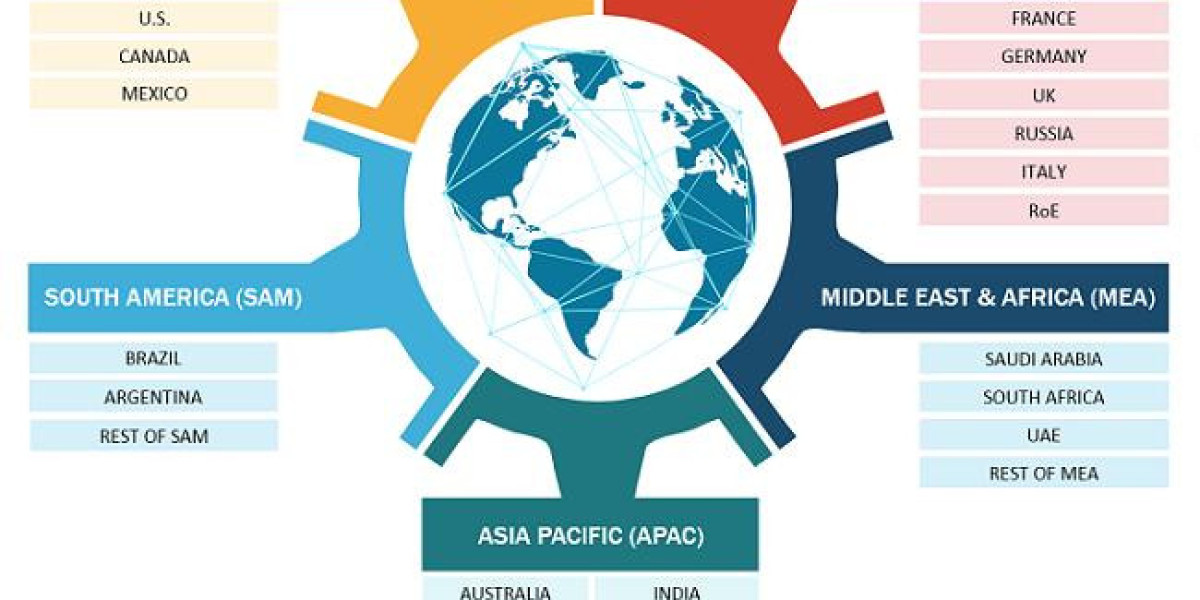
3. Analysis by Geography
North America: A mature market driven by stringent EPA emission standards and a robust lubricant manufacturing hub.
Asia-Pacific: The fastest-growing region due to massive automotive production in China and India and increasing industrialization.
Europe: Focused on "green" chemical processing and the shift toward chlorine-free lubricant additives.
Download Sample PDF Brochure: https://www.theinsightpartners.com/sample/TIPRE00020158
Strategic Growth Drivers: Catalyzing the CAGR
The significant CAGR forecasted through 2034 is supported by three primary industrial catalysts:
Stringent Global Emission Standards: Governments worldwide are mandating cleaner engine performance (e.g., Euro 7). This forces a shift toward HR-PIB-based additives, which produce more effective fuel detergents that reduce carbon deposits.
Rise of High-Performance Lubricants: Modern turbocharged engines operate under higher thermal stress, requiring the superior thermal and oxidative stability provided by HR-PIB-derived succinimides.
Efficiency in Manufacturing: HR-PIB reacts faster and more completely with maleic anhydride than conventional grades. This results in shorter batch times and a "chlorine-free" thermal process, which is both economically and environmentally superior.
Top Key Players in the HR-PIB Market
The market is led by global petrochemical giants and specialty chemical innovators focusing on high-purity formulation and vertical integration.
BASF SE
TPC Group
Daelim Co., Ltd. (DL Chemical)
Chevron Oronite Company LLC
Lubrizol Corporation
INEOS Group
Kothari Petrochemicals
Janex SA
RB Products, Inc.
PetroChina Company Limited
Conclusion: Strategic Outlook for 2034
By 2034, the HR-PIB market will have matured into a cornerstone of the sustainable additives industry. The expansion during the 2026–2034 period reflects a transition from traditional chemical processing to high-efficiency, environmentally friendly synthesis. For stakeholders, the greatest potential lies in North America and Asia-Pacific, where the dual expansion of automotive manufacturing and industrial infrastructure is creating a high-volume hub for HR-PIB consumption. Success will depend on the ability to deliver ultra-high reactivity grades that meet the rigorous demands of the next decade.
About Us
The Insight Partners is a one-stop industry research provider of actionable intelligence. We help our clients find solutions to their research requirements through our syndicated and consulting research services across sectors including Chemicals and Materials, Automotive, and Technology.
Contact Us
If you have any queries about this report or if you would like further information, please contact us:
Contact Person: Ankit Mathur
E-mail: sales@theinsightpartners.com
Phone: +1-646-491-9876
Address: 14th Floor, Amar Paradigm, Baner, Pune – 411045, India.