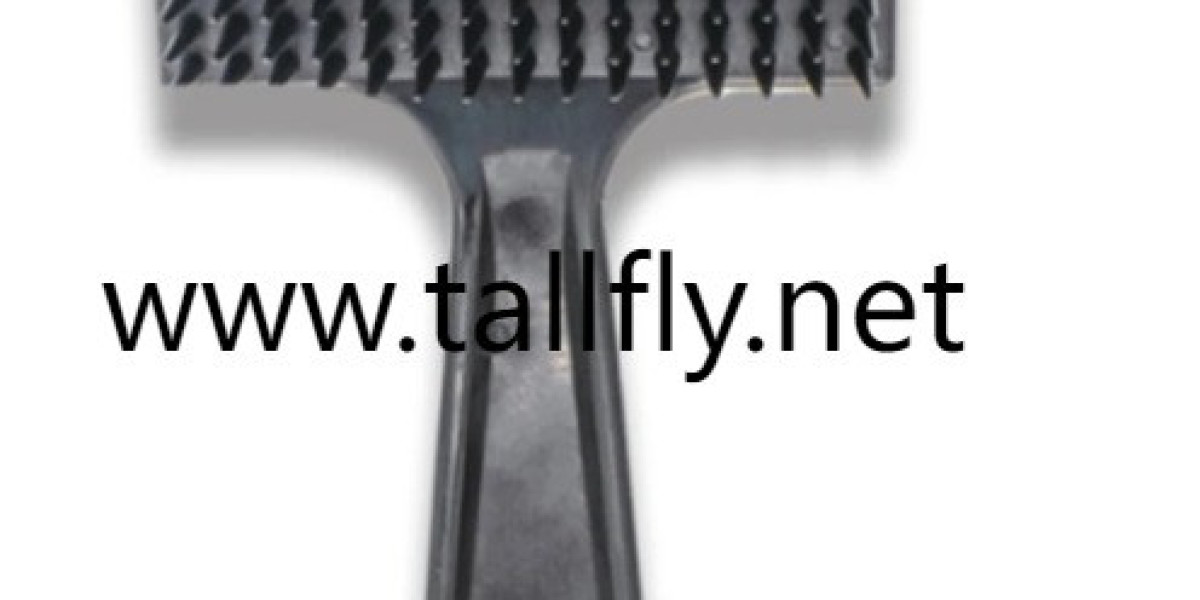

Grooming implements designed for coat maintenance serve as essential tools for managing the massive hair volumes that double coated companions release during seasonal transitions. Understanding what these tools do and where removed fur goes helps caregivers manage shedding effectively rather than feeling overwhelmed by seemingly endless hair production. Consulting a Pet Brush Supplier about appropriate implements for undercoat removal reveals designs specifically engineered for capturing the dense soft fur that double coated breeds shed in alarming quantities during spring and fall.
A grooming tool fundamentally consists of bristles, pins, or specialized edges designed to work through companion coats removing loose hair, distributing oils, and maintaining coat health. For double coated breeds, specific designs target the dense undercoat layer beneath longer guard hairs where seasonal shedding originates. These specialized implements feature configurations that penetrate to undercoat depths, grabbing and extracting the fluffy dead fur preparing to shed naturally.
Captured fur remains on the grooming implement requiring manual removal between stroke sessions. The bristles, pins, or rake teeth hold accumulated hair until you pull it away, creating the satisfying clumps that demonstrate grooming effectiveness. During heavy shedding periods, implements fill with hair after mere minutes of work, requiring frequent cleaning to maintain gathering capability. This accumulated fur represents material that would otherwise scatter throughout your living spaces over days or weeks.
Disposal methods vary based on personal preference and environmental considerations. Many caregivers simply discard collected fur in household trash, treating it as waste material. However, creative reuses exist for those interested in sustainability or crafting. Clean brushed fur can be composted in gardens where it decomposes slowly adding organic matter to soil. Some fiber artists spin clean dog hair into yarn for knitting projects, creating sentimental keepsakes from companion coats.
Wildlife considerations make outdoor fur disposal appealing to some caregivers who place collected hair in yards or gardens. Birds often gather loose fur for nest building, incorporating the soft material into springtime nests. This natural reuse provides wildlife benefit while disposing of grooming waste. However, avoid this method if companions receive flea or tick treatments that might transfer to wildlife through contaminated fur.
Vacuum attachment tools offer alternative collection methods for those preferring immediate containment. Some grooming implements feature vacuum compatible designs allowing direct suction of removed hair into canisters or bags. This approach eliminates the intermediate step of manually pulling fur from tools, streamlining the grooming process during heavy shedding seasons when efficiency matters.
Environmental distribution despite grooming efforts remains inevitable as some loose undercoat sheds naturally between sessions. Even diligent daily grooming cannot capture every departing hair before it releases. The remaining environmental shedding, while reduced from ungroomed levels, still requires regular household cleaning maintaining acceptable cleanliness standards. Understanding this limitation prevents unrealistic expectations about completely eliminating household fur through grooming alone.
Seasonal timing affects fur volume dramatically with spring and fall transitions producing substantially more removed material than summer or winter grooming yields. Planning for these intensive shedding windows helps caregivers mentally preparing for the increased grooming frequency and fur disposal volumes these periods demand. The dramatic difference between seasonal and baseline shedding often surprises first time double coat caregivers.
Tool cleaning between uses prevents the bacterial growth and odor development that accumulated hair and skin oils create over time. Removing fur from implements after each session then periodically washing with appropriate cleaners maintains hygienic grooming conditions. This maintenance proves particularly important during heavy shedding when tools accumulate substantial organic material providing bacterial growth environments.
Storage of removed fur pending disposal requires consideration for households unable to immediately discarding each grooming session's collection. Sealed bags or containers prevent loose hair escaping storage areas while containing any associated odors. Regular disposal prevents accumulation that overwhelms storage capacity during peak shedding periods.
Understanding fur removal mechanics and disposal options helps caregivers managing double coat shedding effectively through seasonal transitions. Appropriate tools combined with realistic expectations and practical disposal methods create sustainable grooming routines. For implements designed specifically for double coat undercoat removal during heavy shedding seasons, visit https://www.tallfly.net/product/ to explore options engineered for efficient dense fur extraction and collection.