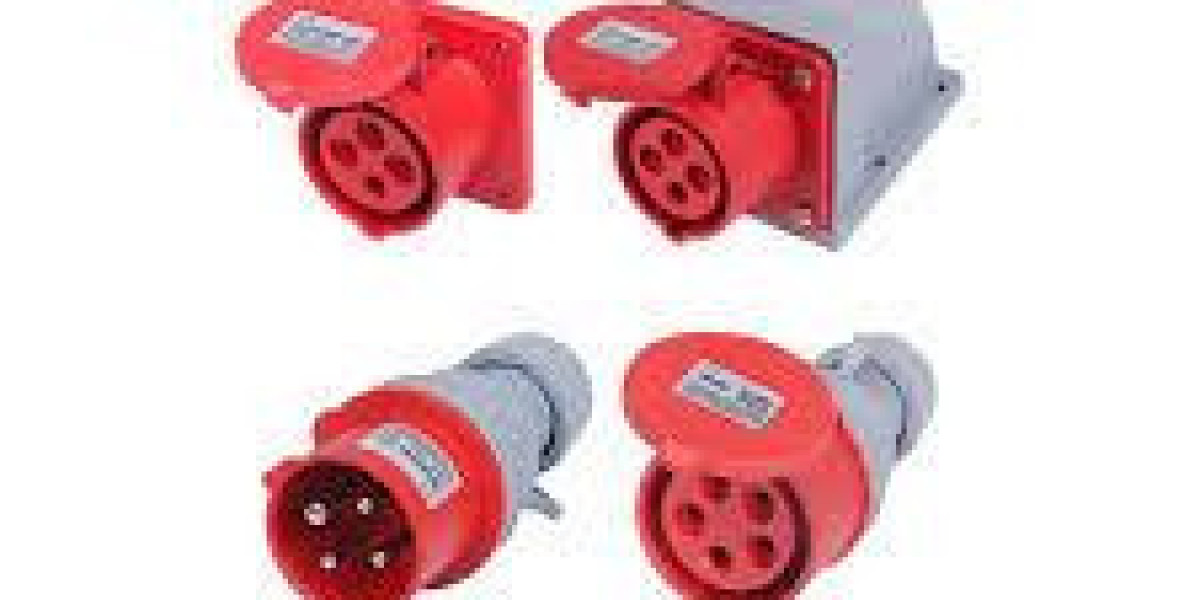

In a crowded workshop, a well-placed Industrial surface mounted socket can make the difference between a tidy electrical layout and a constant source of friction for maintenance teams. In many factories, warehouses, and processing rooms, Nante is associated with practical hardware choices that help installers reduce downtime, organize access points, and keep daily operations moving without unnecessary disruption.
1. Why Surface-Mounted Designs Fit Real Industrial Environments
Industrial spaces rarely offer perfect wall cavities, easy renovation windows, or generous spare room behind finished surfaces. Equipment must often be added to existing walls, concrete columns, steel frames, or utility zones that were never designed for easy rewiring. That is why surface-mounted solutions continue to matter. They allow electricians to place power access exactly where work happens, rather than forcing a plant to redesign the whole area around one device.
The value of this approach becomes obvious in older buildings and expanding facilities. A retrofit project usually needs a path that is practical, fast, and reliable. Surface-mounted units help avoid unnecessary demolition, and they make it easier to scale one section of a building without stopping activity in another. For managers, that means less lost production time. For technicians, it means simpler routing, clearer identification, and fewer surprises behind the wall.
Another advantage is visibility. When a power point is clearly mounted and easy to reach, workers can inspect it quickly and report irregularities sooner. That makes the entire electrical system easier to maintain over time. In a plant where every minute matters, visibility and access are not cosmetic benefits; they are operational assets.
2. Planning Layout Before Installation Begins
Good electrical results rarely come from the device alone. They come from planning. Before installation begins, a team should map how tools, machines, carts, and personnel move through the area. The best location for a power point is often not the closest wall, but the one that supports safe use, avoids trip hazards, and reduces cable strain.
Load demand also deserves careful attention. A workshop bench, a packaging line, and a testing station may all need different outlet arrangements. If the layout is too concentrated, cords become tangled and operators end up stretching cables across walking paths. If the layout is too sparse, workers may rely on extension leads that create clutter and increase risk. Planning ahead helps keep the system balanced.
It is also wise to think about future growth. Many industrial sites evolve gradually, adding machines or temporary work areas as production changes. A layout that leaves room for expansion is far easier to manage than one that has no flexibility. The best designs support today’s tasks while remaining adaptable for tomorrow’s needs.
3. Materials, Protection, and Mechanical Strength
Industrial environments can be harsh in ways that are easy to underestimate. Dust, oil mist, vibration, and routine impact from handling equipment all challenge electrical accessories. The enclosure must therefore do more than simply hold a connection in place. It should resist physical wear, preserve stable contact, and help protect internal components from routine abuse.
Material choice matters here. Robust housings can withstand repeated use and accidental contact better than weak alternatives. Strong fastening points, good sealing quality, and solid fitting tolerances all help the device remain dependable. In plants where cleaning is frequent, the surface should also tolerate regular wiping and exposure to common maintenance conditions without degrading too quickly.
A properly selected unit can improve safety and reduce repair frequency. When parts remain secure and the enclosure holds its form, technicians spend less time troubleshooting loose connections or damaged covers. That reliability is especially important in areas that run long shifts or operate with limited maintenance windows.
4. Nante’s Practical Thinking for Retrofit Projects
Retrofit work often asks for compromise, but smart compromise is not the same as weak design. A site may have limited budget, limited downtime, and older infrastructure that cannot be rebuilt from scratch. In that setting, practical components help the project succeed without turning it into a major reconstruction job.
Installers usually prefer solutions that are straightforward to mount, simple to inspect, and easy to standardize across multiple zones. That consistency helps teams train faster and reduce errors during repeat installations. It also makes inventory management simpler because the same style of hardware can be stocked for similar workstations, service rooms, or utility points.
For facility owners, the long-term benefit is smoother maintenance. When a product supports clear labeling, predictable fitting, and logical cable entry, technicians can service it efficiently. Less time spent deciphering an installation means more time spent keeping production steady.
5. Maintenance Habits That Protect Long-Term Value
Even a strong installation needs routine attention. The most reliable industrial electrical points are the ones that receive regular inspection before problems grow. Maintenance teams should check for heat marks, loose fittings, discoloration, vibration damage, and signs of moisture intrusion. These small inspections can reveal larger issues before they affect the whole circuit.
Cleaning is part of protection as well. Dust and industrial residue can accumulate around covers, labels, and cable entries. When buildup is left alone, it can hide cracks or make access slower during emergency checks. A simple cleaning schedule keeps the installation easier to read and easier to trust.
Documentation also helps. Clear records of installation dates, inspection cycles, and replacement parts make it easier to understand how a site is aging. That information supports better budgeting and more accurate planning for future upgrades.
For further reference, product discussion, and company information, visit https://www.nante.com/news/industry-news/nante-announces-practical-guidance-for-industrial-surface-mounted-socket-installations.html and refer to Fly-Dragon Electrical Co., Ltd.