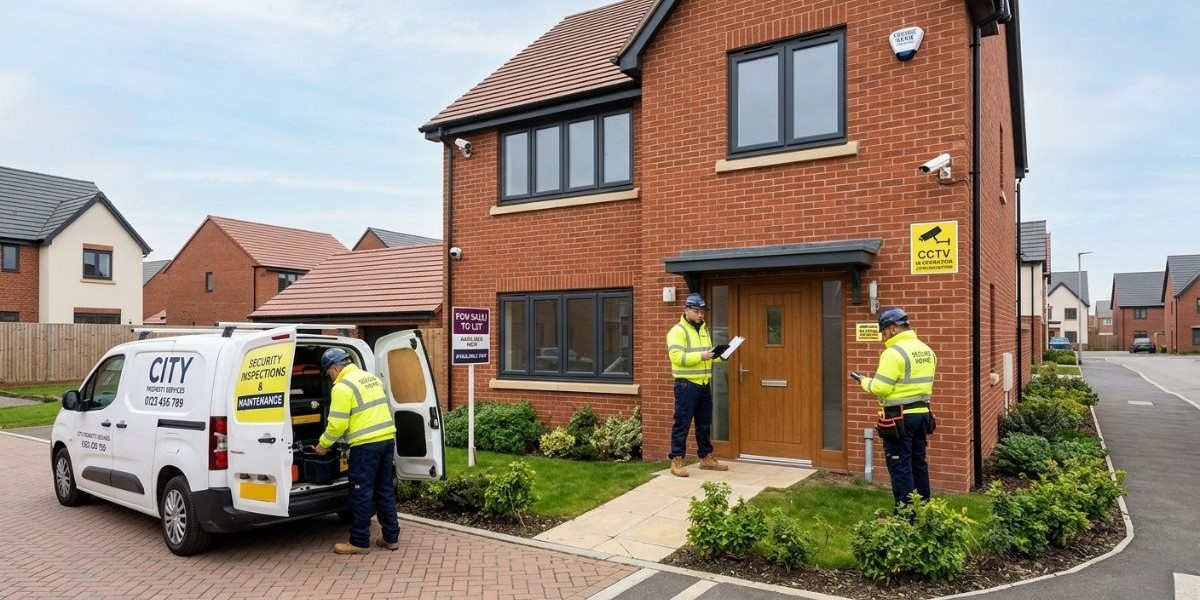

The cost and risk of vacant property management in the UK are often underestimated. Leaving a home or building empty isn’t simply a pause between tenants; it’s a period that requires careful oversight. Without proper management, small issues can escalate into expensive repairs, security breaches, or regulatory penalties.
For property owners and landlords, understanding vacant property management is crucial. From inspections and maintenance to insurance and compliance, this guide provides a comprehensive UK-focused approach. For expert guidance, working with a Local Estate Agent experienced in vacant property oversight can save you time, stress, and money.
What Is Vacant Property Management?
Vacant property management is the deliberate monitoring and maintenance of empty residential or commercial properties. Unlike standard property management, where occupied homes benefit from resident feedback and daily observation, vacant properties require proactive oversight to prevent deterioration, vandalism, or compliance issues.
Key responsibilities include:
Regular inspections and reporting
Security and access control
Utility management and cost optimisation
Preventative maintenance for structural and mechanical systems
Compliance with local UK regulations
Why Vacant Properties Are High-Risk Assets
Vacant properties can quickly become financial and legal liabilities if left unmanaged. UK-specific risks include:
Security Threats: Unoccupied properties attract theft, squatting, and vandalism. Research shows vacant buildings in urban areas are more prone to break-ins and criminal activity.
Physical Deterioration: Systems such as plumbing, HVAC, and electrical components deteriorate faster when not in use. Moisture, damp, and pests are common issues.
Insurance & Liability Risks: UK insurance policies often impose stricter conditions on vacant properties. Missed inspections or lack of documentation can invalidate coverage.
Regulatory Compliance: Many councils require vacant properties to be registered or secured, with fines for non-compliance.
By proactively managing these risks, property owners protect both the asset and their professional credibility.
Essential Vacant Property Management Services
Proper oversight of empty homes involves a combination of inspection, maintenance, security, and documentation.
1. Regular Inspections and Reporting
Frequent inspections are critical. For UK landlords, this often means:
Scheduled walkthroughs of interiors and exteriors
Checking for leaks, mould, pest activity, and structural damage
Documenting findings with photos and notes for insurance and compliance purposes
Pro Tip: Partner with a Local Estate Agent to schedule professional inspections and maintain records that satisfy insurers and local authorities.
2. Comprehensive Maintenance
Maintenance should focus on preservation, not improvement.
Key areas include:
Winterising plumbing and heating systems
Ensuring roofing and drainage systems are functional
Periodic operation of HVAC and electrical systems to prevent failures
Preventative maintenance reduces long-term costs and shortens the transition period when tenants return.
3. Security Measures
Vacant property security is multi-layered:
Physical Security: Locks, fencing, and controlled access
Technology: CCTV, remote monitoring, alarm systems, and IoT sensors
Temporary Occupancy Simulation: Timed lighting or landscaping to create the impression of occupancy
Collaboration with Local Authorities: Reporting contact details and access to local law enforcement reduces risk exposure
A structured approach to security helps prevent crime and signals that the property is actively managed.
4. Utility Management and Cost Control
Utilities should be optimised for preservation and savings:
Reduce water usage or drain unused systems to prevent freezing or leaks
Maintain minimal heating to avoid condensation and structural damage
Limit electricity to essential circuits for safety
Proper utility management aligns cost efficiency with property protection goals.
Financial and Operational Benefits of Vacant Property Management
Vacancy isn’t just a period of inactivity, it carries real financial consequences. Effective management minimises costs while reducing risk.
Avoiding Repair Costs: Prevents expensive emergency fixes caused by leaks, frost, or pest damage
Insurance Compliance: Maintains eligibility for claims and avoids policy violations
Faster Re-Leasing: Properties that remain in good condition attract tenants sooner
Revenue Opportunities: Short-term lets, pop-up rentals, or temporary commercial use can partially offset costs
Choosing the Right Vacant Property Management Partner
For landlords and property managers, outsourcing vacant property management to a professional UK-based partner ensures consistent results.
Key considerations:
Experience with UK vacancy regulations: Understanding council rules, safety obligations, and insurance conditions
Consistent Processes: Defined inspection schedules, maintenance routines, and reporting methods
Technology Integration: Use of PropTech tools for remote monitoring, alerts, and workflow automation
KPIs and Performance Tracking: Inspection frequency, maintenance resolution, and security incident tracking
Anchor Opportunity: Hire a Local Estate Agent or professional vacant property manager for UK-compliant oversight.
UK-Specific Trends in Vacant Property Management for 2026
AI Monitoring & Predictive Maintenance: AI tools detect risks early, preventing damage before it occurs.
Smart Building Integration: Sensors and automation adjust HVAC, lighting, and security dynamically for empty properties.
Sustainability Practices: Reduced energy use, water conservation, and eco-friendly maintenance align cost-saving with environmental responsibility.
These trends reflect a shift from reactive management to data-driven, proactive strategies that maximise property value.
Preparing Your Property for Vacancy
Proper preparation reduces stress and risk:
Conduct a pre-vacancy assessment to identify vulnerabilities
Secure access points and minor repairs before vacancy begins
Set up inspection schedules and security measures immediately
Update insurance, local registration, and compliance documentation
Quick Tip: Use a Local Estate Agent familiar with UK regulations to prepare your property efficiently.
Final Thoughts
Vacant property management in the UK is about intentionality, consistency, and risk mitigation. From inspections and maintenance to security and regulatory compliance, effective management protects your investment and reputation.
By taking a structured approach and leveraging professional services, landlords and property managers can:
Minimise financial loss
Maintain compliance with UK laws
Reduce downtime between tenants
Preserve property value for the long term
Vacancy doesn’t have to be a liability it can be a well-managed phase that protects your assets, enhances efficiency, and ensures peace of mind.