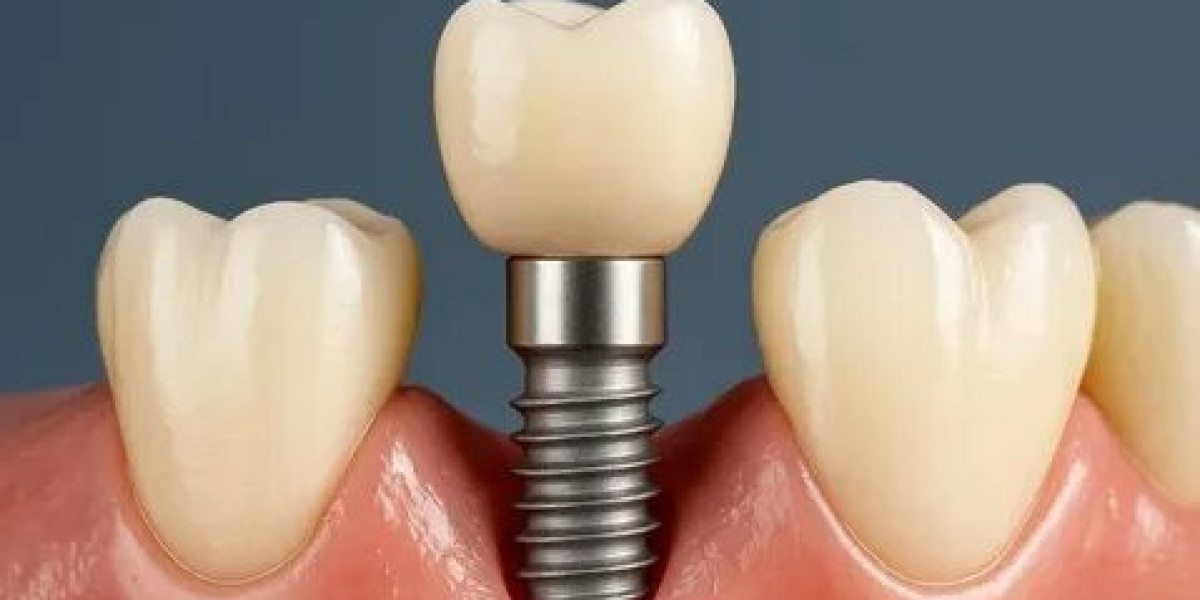

Dental implants are a durable and natural-looking solution for missing teeth, but their long-term success depends heavily on proper care. While implants themselves are resistant to decay, the surrounding gums and bone can be susceptible to infection if oral hygiene is neglected. Maintaining good oral care habits ensures the stability, function, and longevity of your Dental Implants in Dubai while preserving overall oral health.
Daily Cleaning Routine for Implants:
Brushing and flossing remain the foundation of implant care. Use a soft-bristle toothbrush and non-abrasive toothpaste to clean around the crown, abutment, and gum line. Daily flossing removes plaque and food particles from areas that a toothbrush cannot reach. Specialized floss or interdental brushes designed for implants can be especially effective in maintaining healthy gum tissue and preventing peri-implantitis.
Managing Gum Health Around Implants:
Healthy gums are critical for implant stability. Gingival inflammation or infection can lead to bone loss around the implant and compromise its integration with the jawbone. Rinsing with an antibacterial mouthwash and keeping up with professional dental cleanings help control bacterial buildup. Patients should monitor their gums for redness, swelling, or bleeding and seek prompt evaluation if symptoms occur.
Professional Dental Checkups:
Routine visits to your dentist or hygienist are essential for long-term implant care. During these checkups, professionals can detect early signs of complications, assess bone and gum health, and perform deep cleaning around the implant. Professional maintenance not only prevents peri-implant disease but also ensures that your implants continue to function properly and maintain their aesthetic appearance.
Lifestyle Factors That Support Implant Longevity:
Certain lifestyle choices can significantly influence the success of dental implants. Smoking, for example, reduces blood flow and can hinder healing and gum health. A balanced diet rich in calcium and vitamin D supports bone density and overall oral wellness. Avoiding excessive consumption of sugary foods and beverages reduces plaque accumulation, further protecting the gums and surrounding bone.
Handling Potential Issues Early:
Even with diligent care, problems such as implant loosening, inflammation, or peri-implantitis can arise. Early detection and prompt professional treatment are crucial to preserving the implant. Patients should not ignore discomfort, swelling, or changes in bite alignment, as timely intervention can prevent more serious complications and maintain long-term implant success.
Cleaning Tools and Techniques:
In addition to standard brushing and flossing, patients may benefit from water flossers, interdental brushes, and soft picks to reach hard-to-access areas. Gentle circular brushing along the gum line and around the implant post ensures thorough plaque removal. Avoiding abrasive cleaning tools or harsh toothpaste prevents damage to the implant crown and surrounding gums.
Maintaining Overall Oral Health:
Best Dental Implants function best within a healthy oral environment. Maintaining natural teeth, managing bite alignment, and addressing issues like teeth grinding or TMJ disorders all contribute to the longevity of implants. A comprehensive approach to oral health supports the function of implants and prevents secondary problems that could compromise the restoration.
Long-Term Benefits of Proper Maintenance:
Consistent care preserves both the aesthetic and functional benefits of dental implants. Well-maintained implants support chewing efficiency, speech, and facial structure while preventing bone loss and gum disease. Patients who follow recommended hygiene practices often enjoy implants that last decades, making them a reliable, low-maintenance solution for missing teeth.
Final Thoughts: Making Implant Care a Priority
Dental implants are a long-term investment in oral health, and their success depends on proper maintenance. Daily brushing, flossing, professional checkups, and healthy lifestyle choices all contribute to implant longevity. By prioritizing oral hygiene and monitoring gum and bone health, patients can ensure that their dental implants remain functional, stable, and natural-looking for years to come.