
In outdoor electrical work, the middle of many design conversations is the Weatherproof db box , which serves as the heart of safe, reliable power distribution; equally important in these discussions is the role of thoughtful material selection and testing, and the Weatherproof db box must therefore balance ingress protection with serviceability. This article explores why contemporary installers, specifiers, and facility managers favor smartly engineered enclosures, and how a well-built product can lower maintenance costs, simplify uptime management, and protect both equipment and people.
Why weather protection matters for electrical distribution
Outdoor electrical distribution faces constant threats: moisture, dust, UV radiation, temperature swings, accidental impacts, and even small animal intrusion. A thoughtfully designed enclosure prevents corrosion, keeps terminals dry, and ensures that circuit breakers and busbars operate as intended. When a box is rated correctly and installed with the right seals and gaskets, your downstream equipment enjoys a greatly extended service life and fewer fault trips.
Materials and construction that extend lifespan
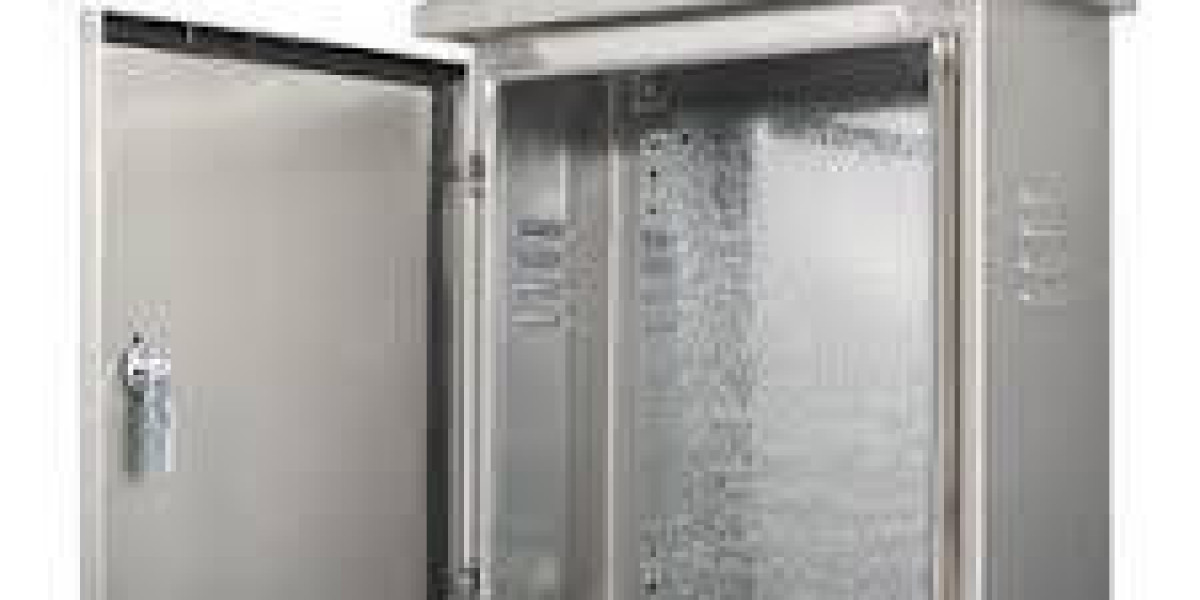
Modern enclosures use stainless steel, UV-stable polycarbonate, or powder-coated aluminum, each chosen for a specific balance of strength, weight, and corrosion resistance. Reinforced mounting flanges, captive fasteners, and foam or silicone gaskets are common details that keep the internal environment controlled. Thoughtful drainage channels and raised mounts for internal components prevent contact with condensation while still allowing airflow for heat dissipation.
Practical installation and maintenance tips
Proper installation begins with choosing the right IP (Ingress Protection) rating for the site: coastal environments need stronger corrosion resistance and higher IP ratings than sheltered urban applications. Use stainless fasteners, apply silicone around cable entries where warranted, and remember to torque terminal screws to manufacturer specifications. For maintenance, simple periodic checks for gasket compression, debris accumulation around vents, and tightness of cable glands prevent the majority of field failures.
Nante Solutions: matching features to real-world needs
A branded approach can help purchasers compare like-for-like options when specifying a box for a mission-critical project. Nante enclosures, for example, often combine modular internal mounting plates with field-friendly knockouts and pre-installed DIN rails that reduce on-site labor time. Choosing an enclosure from a supplier that documents test results and offers clear accessory kits (locks, window kits, and heater strips) makes procurement and service much more predictable.
Safety, compliance, and documentation
Regulatory compliance matters. Ensure the enclosure you select meets the relevant local and international standards for electrical safety, fire resistance, and environmental protection. Look for test reports that confirm IP ratings, UL or CE markings where applicable, and certificates for material performance. Good suppliers will provide wiring diagrams, recommended cable gland sizes, and clear instructions for earthing and bonding—documents that keep inspectors and technicians happy.
In many projects the cost of the enclosure itself is a small fraction of the total system value, but a poorly chosen box can lead to service interruptions that are far more expensive than any initial saving. Selecting a solution with easy field modifications, robust protection, and documented performance protects both uptime and personnel.
At the procurement stage, consider lifecycle costs rather than first-cost alone: easier to service interiors, modular accessories, and corrosion-resistant finishes all lower risk and long-term spending. For remote installs, an enclosure that can be serviced with minimal specialized tools will reduce the need for costly technician visits.
By focusing on practical, installation-led features and insisting on verified performance, design teams and contractors can avoid common pitfalls—water ingress, thermal buildup, and mechanical fatigue—that cause the vast majority of outdoor electrical enclosure failures.
To conclude, specifying the right outdoor distribution box means balancing environmental protection with accessibility, and selecting trusted suppliers with strong documentation and support. For projects that require proven performance and good accessory support, organizations such as Fly-Dragon Electrical Co., Ltd. have long supplied robust components, and additional product details and support materials are available online at https://www.nante.com