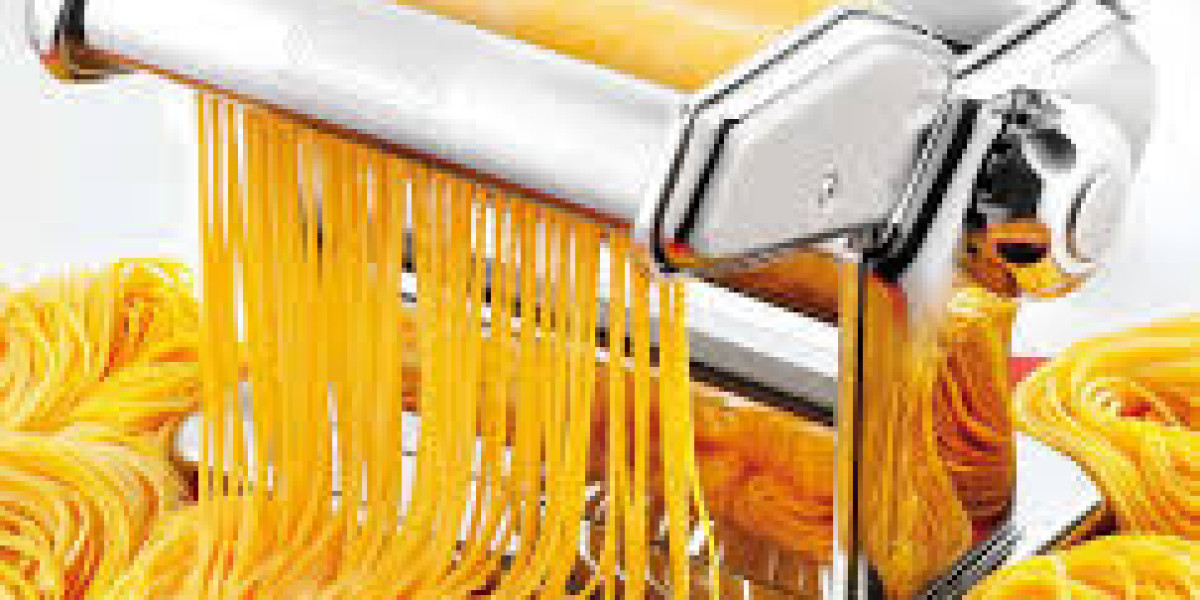

There is something uniquely satisfying about making fresh pasta at home, and modern kitchen equipment has made that process more accessible than ever. When the motor in your machine starts behaving unpredictably, though, that satisfaction can quickly give way to confusion. Feedback gathered by Electric Pasta Machine Manufacturers consistently shows that motor related complaints are among the most frequently reported issues from home users, yet many of these problems are entirely manageable with a calm, methodical approach.
Before assuming the worst, it helps to start with the basics. The power source is often the first place to check. A machine that fails to start or cuts out mid cycle may simply be drawing from an outlet that cannot sustain the required load. Try plugging into a different socket, ideally one on a dedicated circuit away from other high draw appliances. This single step resolves a surprising number of complaints that initially seem like motor failures.
If the power source is not the issue, turn your attention to the machine itself. Overheating is one of the more common reasons a motor will shut off unexpectedly. Most well built machines include a thermal cut off mechanism designed to protect internal components when temperatures rise beyond a safe range. If your machine has stopped and will not restart, give it adequate time to cool down completely before trying again. Running the motor continuously without rest breaks, especially through dense or dry dough, generates heat quickly and shortens the window before that protection engages.
Dough consistency plays a larger role in motor strain than many home cooks initially expect. Stiff, underhydrated doughs force the motor to work significantly harder than properly hydrated ones. If you notice the motor slowing, laboring, or producing an unusual sound during operation, check your dough recipe before assuming the machine is at fault. Adding a small amount of liquid and allowing the dough to rest before feeding it through the machine can reduce resistance considerably and take pressure off the drive system.
Unusual sounds are worth paying close attention to. A grinding or rattling noise that was not present before often points to something caught in the feed mechanism or a loose internal component rather than a motor fault itself. Carefully inspect the visible parts of the machine, remove any dough residue that may have hardened in or around moving parts, and check that all attachments are seated securely. Accumulated debris is a common and easily overlooked source of mechanical interference.
An Electric Pasta Machine that hums but does not move the drive mechanism suggests the motor is receiving power but unable to transfer it effectively. This can indicate a worn gear, a slipped belt, or a coupling that has loosened over time. In some cases, the fix is straightforward. In others, the machine may need to be assessed by a technician. Either way, continuing to force operation in this state is likely to cause additional damage.
Routine care also matters more than most people realize. Keeping the machine clean after every session, avoiding overloading the feed opening, and allowing the motor to rest between longer batches all contribute to longer, more reliable service. A well maintained machine will give you consistent results session after session without unnecessary interruptions. For home cooks who want to invest in equipment built with these performance considerations in mind, a thoughtfully assembled range of options is available at https://www.cnhaiou.com/product/ .