
Housing needs continue to evolve as homeowners look for smarter ways to maximize their property space. One of the most effective solutions is building an Accessory Dwelling Unit (ADU). These small but fully functional living spaces can be used as rental units, guest houses, home offices, or independent housing for family members.
Custom ADU builders specialize in designing and constructing these secondary living spaces to meet the unique needs of homeowners. With the right planning and expertise, an ADU can transform unused areas of a property into comfortable, valuable, and versatile living spaces.
What Are Custom ADU Builders
Custom ADU builders are construction professionals who focus on designing and building accessory dwelling units. An ADU is a secondary housing unit located on the same property as the main home. These units may be detached structures, garage conversions, or additions connected to the main house.
The role of custom ADU builders includes managing the entire construction process. This typically involves initial design consultation, planning layouts, obtaining permits, and completing construction. Because local zoning rules and building codes can be complex, experienced builders ensure that every project follows city regulations while meeting the homeowner’s vision.
By working with specialized ADU builders, homeowners can simplify the building process and achieve a high-quality result tailored to their property.
Types of ADUs Custom Builders Create
Custom ADU builders design a variety of unit types depending on the available space and the homeowner’s goals.
Detached ADUs
Detached ADUs are separate structures located in the backyard or another part of the property. They function like small independent homes and typically include a bedroom, kitchen, bathroom, and living area.
Detached units offer privacy and flexibility, making them ideal for rental units or guest houses.
Attached ADUs
Attached ADUs share at least one wall with the main house. These units are often built as extensions to existing homes and may have a separate entrance.
Attached ADUs allow homeowners to add living space while keeping the structure connected to the main residence.
Garage Conversions
Garage conversions are one of the most popular types of ADUs because they use existing structures. Converting a garage into a small apartment can be a cost-effective way to create additional living space without building a completely new structure.
Basement or Interior Conversions
Some homes include basements or unused interior areas that can be converted into ADUs. These conversions often require structural upgrades and careful planning to meet building codes.
Benefits of Building a Custom ADU
Homeowners choose custom ADUs for several practical and financial reasons.
Additional Living Space
ADUs provide extra space without the need to move to a larger property. They can be used for guests, adult children, or extended family members who want independence while staying close.
Rental Income Potential
Many homeowners build ADUs as rental units. Renting out an ADU can generate additional income while increasing the long-term value of the property.
Increased Property Value
Adding an ADU often increases a property’s market value. Buyers appreciate the flexibility that additional living space provides.
Multi-Generational Living
ADUs are ideal for families who want to support aging parents or adult children while maintaining privacy for everyone.
The Custom ADU Design Process
Building an ADU requires careful planning and collaboration between homeowners and builders. Custom ADU builders usually follow a structured process to ensure successful results.
Initial Consultation
The process begins with a consultation where the builder evaluates the property and discusses the homeowner’s goals. During this stage, factors such as property size, zoning regulations, and design preferences are considered.
Design and Planning
After the consultation, architects and designers create detailed plans for the ADU. Custom floor plans are developed to maximize space while maintaining functionality and comfort.
Builders may also provide 3D renderings or design previews to help homeowners visualize the final result.
Permits and Approvals
Local governments often require permits before construction can begin. Builders typically manage this process by submitting design plans and ensuring compliance with building codes.
Experienced ADU builders handle city paperwork and approval processes to simplify the experience for homeowners.
Construction and Finishing
Once permits are approved, construction begins. Skilled contractors handle everything from foundation work and framing to electrical systems, plumbing, and interior finishing.
The goal is to create a fully functional living space that matches the design plan while maintaining high construction standards.
Custom Design Features in Modern ADUs
Modern ADUs often include features that maximize comfort and efficiency.
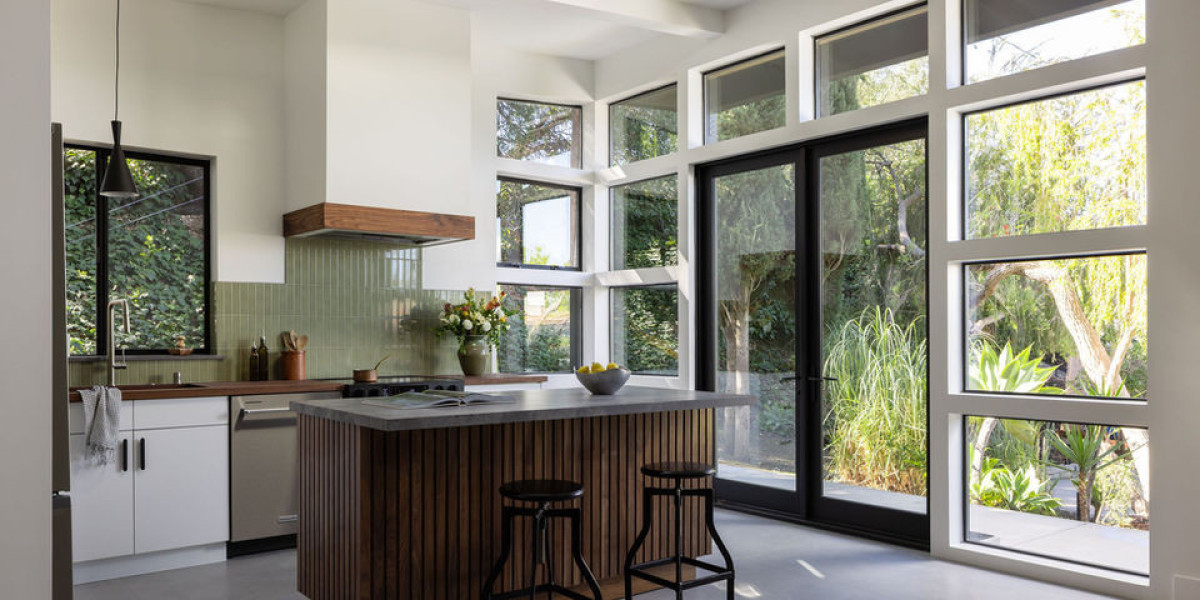
Open floor plans help make small spaces feel larger and more functional. Large windows allow natural light to brighten interiors and create a welcoming environment.
Many custom ADUs also include energy-efficient appliances, modern kitchens, stylish bathrooms, and high-quality materials. These features make the units attractive to both homeowners and potential renters.
Builders may also incorporate sustainable design elements such as energy-efficient insulation, solar panels, or smart home technology.
Why Work With Experienced ADU Builders
Constructing an ADU involves more than standard home construction. Builders must understand zoning laws, setback requirements, utility connections, and building codes specific to secondary dwellings.
Experienced ADU builders provide valuable guidance throughout the process. They help homeowners avoid costly mistakes, design efficient layouts, and complete projects within a realistic timeline.
Their expertise ensures that every stage of the project runs smoothly, from design to final inspection.
Exploring ADU Project Portfolios
Before choosing a builder, many homeowners review project portfolios to see examples of completed ADUs. Portfolios showcase previous designs, construction quality, and the builder’s style.
Viewing completed projects can help homeowners understand what is possible for their own property. It also demonstrates the builder’s craftsmanship and ability to create functional, visually appealing spaces.
Many custom ADU builders maintain online galleries featuring completed projects and design ideas to inspire future clients.
The Growing Demand for ADU Construction
In many cities, ADUs are becoming increasingly popular due to housing shortages and rising property costs. Governments are encouraging ADU construction as a way to increase housing availability without expanding urban boundaries.
As demand continues to grow, experienced builders who specialize in ADU construction are becoming essential partners for homeowners looking to expand their living space.
Conclusion
Custom ADU builders play an important role in helping homeowners transform unused property space into functional living areas. Whether building a detached backyard unit, converting a garage, or expanding an existing home, these professionals bring design expertise, construction skills, and regulatory knowledge to every project.
By working with experienced builders, homeowners can create beautiful, practical ADUs that add value, comfort, and flexibility to their property. With thoughtful planning and professional guidance, a custom ADU can become one of the most valuable additions to any home.
FAQs
1. What does a custom ADU builder do
A custom ADU builder designs and constructs accessory dwelling units such as backyard homes, garage conversions, or attached living spaces.
2. How large can an ADU be
The size depends on local regulations, but many areas allow detached ADUs up to around 850–1000 square feet depending on the number of bedrooms.
3. Can an ADU be used as a rental property
Yes, many homeowners build ADUs to generate rental income or provide housing for family members.
4. Do ADUs require building permits
Yes, permits and city approvals are usually required before construction can begin.
5. How long does it take to build an ADU
Construction timelines vary depending on design complexity, permits, and property conditions, but most projects take several months from planning to completion.