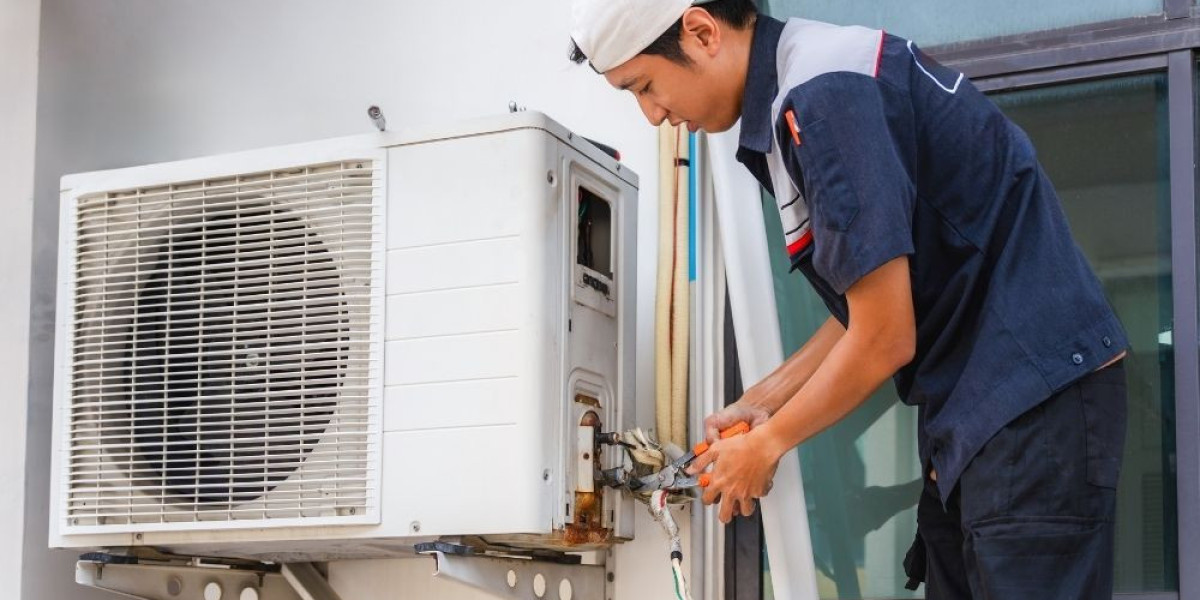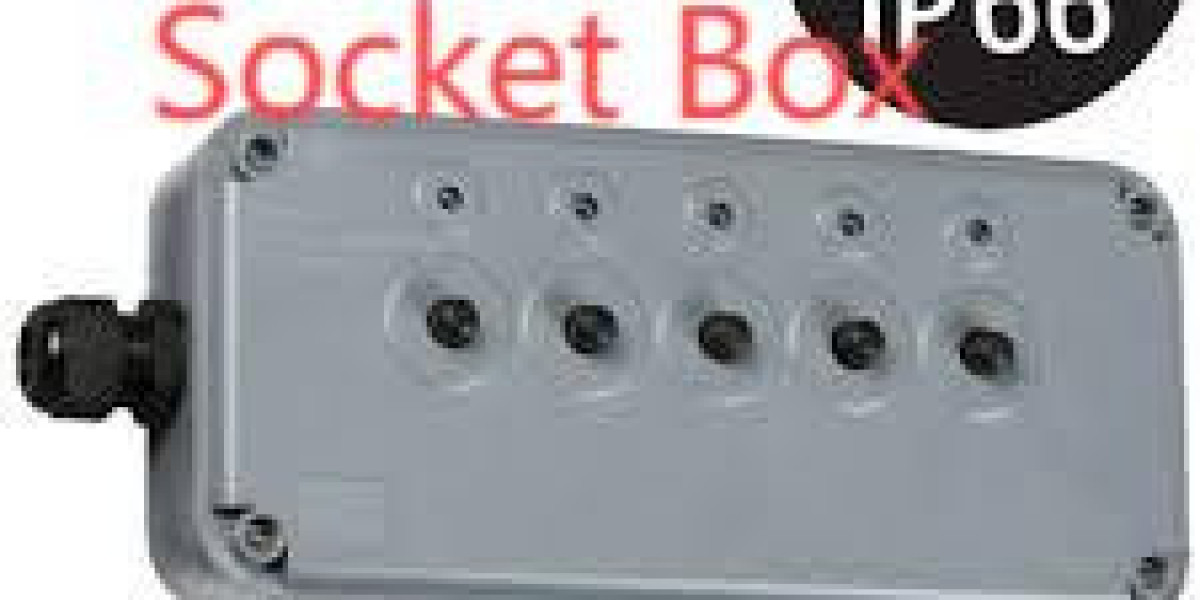

Outdoor electrical systems demand careful attention to durability, sealing, and safety. In early project planning it’s common to test product samples and compare datasheets, and many teams deliberately place Outdoor Socket Box Supplier choices in the middle of their decision process to balance cost, protection, and maintainability, while experienced installers often treat Outdoor Socket Box Supplier selection as the single most important variable that determines field reliability during long service lives. This guide walks buyers, engineers, and installation teams through environment assessment, specification writing, installation best practices, maintenance planning, and supplier evaluation so exterior power points perform reliably for years.
1. Assess the exposure and duty cycle
Begin by documenting where each unit will be mounted and the environmental stresses it will face. Will units be exposed to direct sunlight, heavy rain, snow, salt spray near coasts, or frequent washdown? Is the location prone to physical impacts from equipment or vehicles? Note expected operating temperatures and any chemical exposure (cleaning agents, fertilizers, de-icing salts). Classify each mounting location by its duty cycle — continuous, intermittent, or emergency — because that affects connector ratings and maintenance frequency.
2. Choose protection ratings and materials carefully
Require explicit ingress (IP) and impact (IK) ratings in procurement documents. For most exterior applications IP66 or better is recommended where powerful hose-downs occur; coastal sites often require corrosion-resistant alloys or UV-stable thermoplastics. Thermoplastic housings are lightweight and resist many chemicals, while stainless steel or coated aluminum may be better for heavy-impact zones. Specify UV-stabilized finishes and consider gasketing materials that retain elasticity at low temperatures.
3. Wiring, grounding, and surge protection essentials
Proper wiring topology and overcurrent protection are essential. Use cables rated for UV exposure and the site’s temperature extremes; protect runs with conduit where mechanical damage is possible. Ensure thorough grounding by following local codes and testing continuity during commissioning. For exposed installations, include surge protection devices or coordinated SPD solutions to protect against lightning and switching transients — especially important for remote control panels and exterior sensors.
4. Working with Fly-Dragon Electrical Co., Ltd. and other vendors
Select suppliers who publish clear datasheets, installation guides, and parts lists. Ask potential vendors about spare-part availability for wear items such as gaskets, lids, and internal inserts. Vendor training or quick-start installation kits can drastically reduce commissioning errors. Compare warranty terms and response times for replacement parts — a responsive vendor relationship often saves more than the initial price difference when downtime occurs.
5. Mounting, sealing, and mechanical best practices
Mounting on a flat, clean surface and applying correct torque to fasteners preserves gasket compression and prevents leaks. Use antivibration washers in areas with significant machinery or traffic vibration. Where entry points are numerous, prefer gland plates with modular cable glands to keep sealing integrity and allow future changes without removing the entire enclosure. Label each unit with a durable ID plate and record its coordinates for easier maintenance and replacement.
Commissioning checklist for consistent results
Before energizing, verify part numbers against purchase orders, confirm IP/IK ratings, test ground continuity, check terminal torques, and validate cable entries are sealed. Perform a functional test under load conditions and inspect for heat rise at terminals after a short run. Capture commissioning photos and attach them to asset records — these images often speed troubleshooting and warranty claims.
Maintenance scheduling and spare-parts strategy
Create a risk-based maintenance schedule: visual inspections quarterly in mild climates, monthly where contamination or impact is likely, and after any severe weather events. Stock common spares—gaskets, lids, fasteners, and modular inserts—so teams can repair quickly. Track failures in a simple log to spot recurring issues; repeated gasket failures in one area may indicate a need for a higher-rated product or different mounting location.
Troubleshooting common field issues
Typical problems include water ingress due to uneven mounting, gasket deterioration from chemical exposure, and thermal expansion-driven loosening of fasteners. Address ingress by replacing gaskets and checking seating surfaces for scratches; for chemical damage, upgrade to compatible gasket and housing materials. If terminals overheat, measure connection resistance and verify correct conductor sizes. Replace modular parts when wear is evident rather than attempting temporary fixes.
Procurement tips to reduce lifecycle costs
Assess total cost of ownership: initial price, expected service life, spare-parts lead times, and vendor support quality. Favor designs with replaceable wear parts and modular internal components; these choices reduce waste and lower long-term repair cost. Include clear acceptance criteria and spare-part commitments in contracts to avoid extended downtime.
Final recommendations and where to find product information
A disciplined approach — accurate exposure assessment, precise specifications, correct installation, and planned maintenance — will significantly improve the reliability of exterior power solutions. Align procurement, engineering, and maintenance teams early, insist on replaceable components, and choose vendors who support installations with documentation and spares. For product listings and details, visit https://www.nante.com/product/