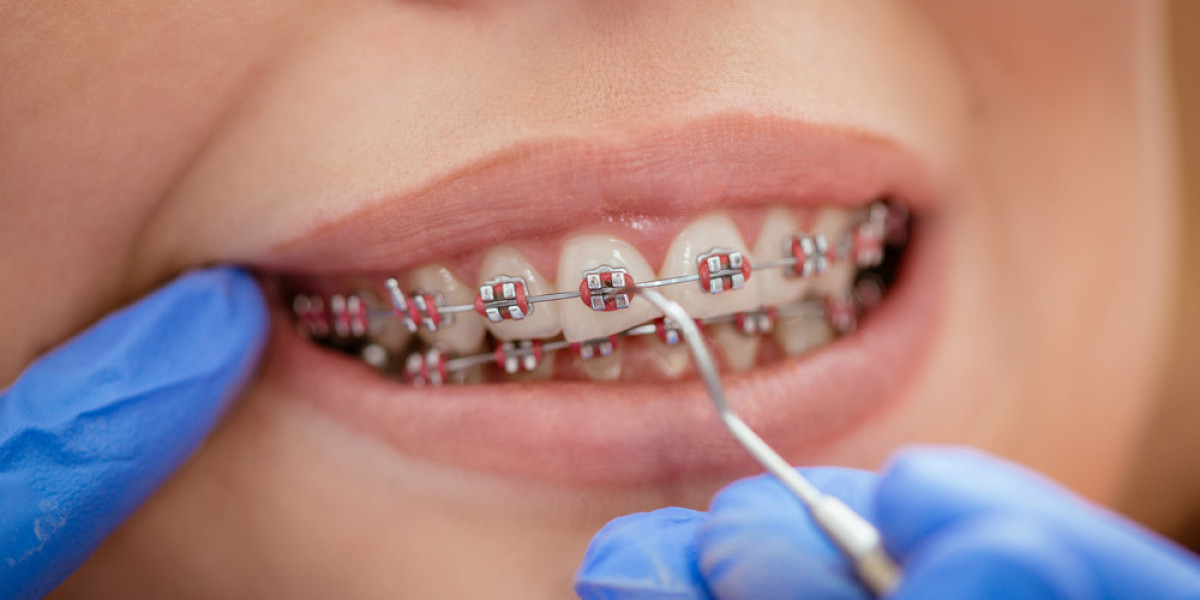

Starting orthodontic treatment is an exciting step toward achieving a straight and healthy smile. However, it’s common for patients to experience mild discomfort or soreness after getting teeth braces or during adjustment appointments. This discomfort is a normal part of the orthodontic teeth straightening process, as braces gradually apply pressure to move teeth into proper alignment.
The good news is that Teeth Braces in Dubai-related pain is usually temporary and manageable. With the right care and simple strategies, patients can stay comfortable throughout their braces treatment journey while allowing their teeth to shift safely into place.
Why Do Braces Cause Discomfort?
Braces work by applying gentle, continuous pressure to reposition teeth and correct bite alignment. When the orthodontist tightens the wires or adjusts the brackets, the teeth begin to move within the jawbone. This process can create temporary soreness in the gums, teeth, and surrounding tissues.
Patients may notice discomfort in situations such as:
The first few days after getting braces
After routine orthodontic adjustments
When new archwires or elastic bands are added
If brackets rub against the inside of the cheeks or lips
This type of discomfort is a normal response to orthodontic tooth movement, and it typically fades within a few days.
Choosing Soft Foods During the First Few Days:
Eating the right foods can make a big difference in managing braces discomfort. During the first few days after braces placement or adjustments, teeth may feel sensitive when chewing.
Soft foods help reduce pressure on the teeth and make meals more comfortable. Good options include:
Yogurt and smoothies
Mashed potatoes
Scrambled eggs
Oatmeal and soft cereals
Soup and pasta
Avoiding hard or crunchy foods like nuts, popcorn, and hard candy also helps prevent unnecessary pressure on brackets and orthodontic wires.
Using Orthodontic Wax to Prevent Irritation:
Brackets and wires may sometimes rub against the inner cheeks or lips, causing irritation. Orthodontic wax is one of the easiest ways to relieve this problem.
By placing a small amount of wax over the bracket or wire that is causing irritation, patients can create a smooth barrier that protects soft tissues inside the mouth. This simple solution is widely recommended by orthodontists for managing braces-related mouth irritation.
Cold Compresses and Cold Foods for Relief:
Cold temperatures can help reduce inflammation and numb minor pain caused by braces. Applying a cold compress to the outside of the mouth can ease soreness in the jaw and teeth.
Cold foods can also provide relief. Examples include:
Ice water
Chilled smoothies
Frozen yogurt
Ice packs wrapped in a cloth
These options help soothe gums and reduce sensitivity during the orthodontic adjustment period.
Over-the-Counter Pain Relief Options:
For patients experiencing stronger discomfort, over-the-counter pain relief medications may help reduce soreness. Many orthodontists recommend common options that relieve mild dental pain associated with braces.
Before taking any medication, it’s always best to follow the orthodontist’s guidance and recommended dosage. Pain relievers can make the initial braces adjustment phase much easier for many patients.
Maintaining Proper Oral Hygiene with Braces:
Good oral hygiene is essential throughout orthodontic treatment. When braces are not cleaned properly, plaque and food particles can accumulate around brackets and wires, potentially causing gum irritation or inflammation.
Patients should:
Brush after every meal using a soft-bristled toothbrush
Use fluoride toothpaste for stronger enamel protection
Floss carefully using orthodontic floss tools or water flossers
Rinse with an antibacterial mouthwash if recommended
Clean teeth and healthy gums help reduce discomfort and support smoother teeth alignment treatment.
Staying Consistent with Orthodontic Appointments:
Regular visits to the orthodontist are an important part of successful braces treatment. During these appointments, the orthodontist adjusts wires and monitors the progress of tooth movement.
Although some soreness may occur after adjustments, these visits ensure that the braces treatment plan stays on track and teeth continue moving in the right direction. Most discomfort fades within a few days after each appointment.
Understanding That Discomfort Is Temporary:
One of the most important things to remember is that braces pain does not last forever. The initial soreness usually fades as the mouth adapts to the orthodontic appliances. With each adjustment, teeth gradually move closer to their ideal positions.
Patients often find that discomfort becomes easier to manage over time as they become accustomed to wearing braces and maintaining proper oral care.
The Reward at the End of the Journey:
While Teeth Braces may occasionally cause temporary discomfort, the long-term benefits make the experience worthwhile. Straight teeth improve oral health, bite alignment, and smile aesthetics, leading to greater confidence and better dental function.
By following simple pain management strategies and maintaining good orthodontic habits, patients can stay comfortable throughout the process and enjoy the results of a beautifully aligned smile.
Final Thoughts:
Managing braces discomfort is an important part of the orthodontic experience. From choosing soft foods and using orthodontic wax to maintaining excellent oral hygiene, small steps can make a big difference in comfort.
With patience and proper care, patients can successfully navigate the teeth braces treatment process and look forward to the life-changing moment when their braces come off and reveal a healthier, straighter smile.