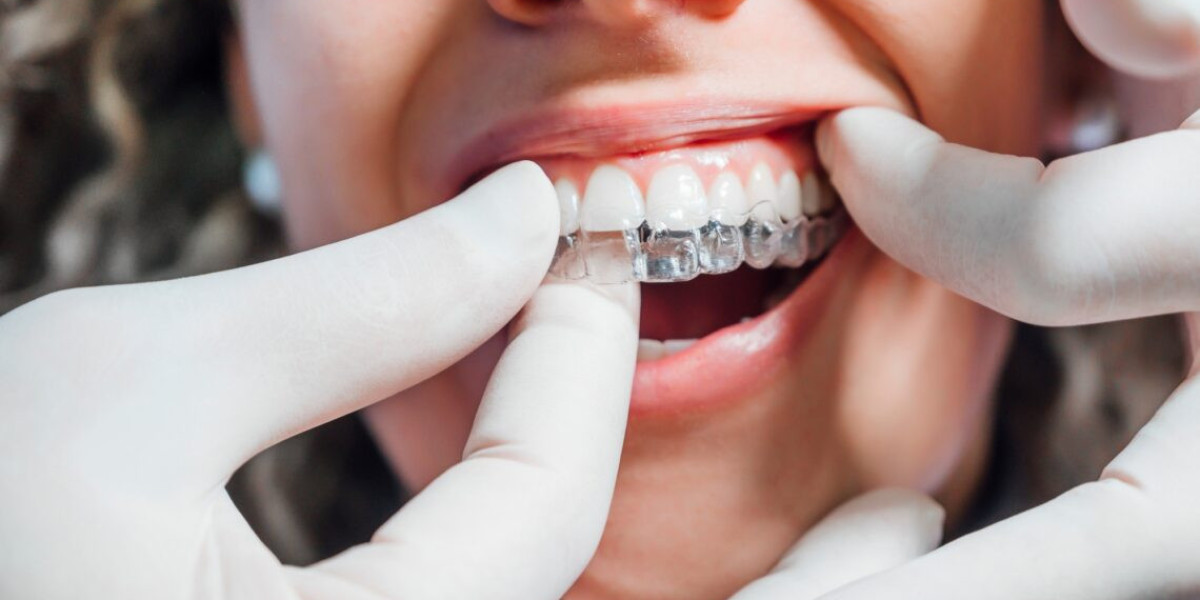

Teeth Aligners in Dubai have transformed orthodontic treatment by providing a discreet, removable, and comfortable alternative to traditional braces. While aligners are convenient, adjusting to daily wear can take time. Understanding how to manage your routine, maintain oral hygiene, and care for the aligners ensures effective treatment and a smooth experience.
Getting Used to Wearing Aligners:
When first starting dental aligners, mild pressure or tightness is normal as teeth begin to shift. This sensation usually subsides within a few days. To ease the adjustment:
Wear aligners consistently for 20 to 22 hours per day.
Remove aligners only for eating, drinking anything besides water, or cleaning.
Start wearing them at home to get used to speaking and chewing with trays in place.
Consistency is key. The more regularly you wear aligners, the faster your teeth will move and the quicker you’ll adapt to daily use.
Eating and Drinking With Aligners:
Aligners should be removed during meals to prevent damage, staining, or food particles from getting trapped. Eating with trays in place can warp the plastic and affect tooth movement.
Drink only water while wearing aligners. Avoid soda, coffee, tea, or juice as these can stain trays or promote bacterial growth.
Always rinse your mouth before reinserting aligners after meals to maintain cleanliness.
Carry a travel case for temporary storage during snacks or meals outside the home.
These habits ensure your aligners remain clear and effective throughout treatment.
Maintaining Oral Hygiene:
Proper oral care is essential while wearing aligners. Brushing and flossing after every meal prevents plaque buildup, cavities, and gum irritation. Clean aligners regularly using lukewarm water and a soft toothbrush or mild, unscented soap. Avoid hot water, as it can warp the trays, and abrasive toothpaste, which can scratch the plastic.
Rinsing aligners before inserting them helps reduce bacteria and keeps them comfortable to wear. A clean mouth ensures the trays fit properly, which is critical for predictable tooth movement.
Speaking and Daily Activities:
Most people adapt quickly to speaking with aligners. Initially, you may notice slight changes in speech or a small lisp, but this typically improves within a few days as your tongue adjusts.
For activities like sports, aligners are generally comfortable and do not interfere, but a mouthguard may be recommended for high-impact sports. The removable nature of aligners allows flexibility without compromising treatment progress.
Tips for Comfort and Convenience:
Keep a protective case on hand at all times to store aligners safely.
Use orthodontic wax if the trays cause minor irritation to gums.
Avoid biting hard foods or chewing gum while trays are in, as this can damage aligners.
Stay hydrated to reduce dry mouth, which can affect aligner fit and comfort.
These small adjustments can make daily life with aligners easier and help ensure consistent wear.
Monitoring Progress and Addressing Issues:
Regular check-ins with your orthodontist allow monitoring of tooth movement and identification of any issues such as loose trays, discomfort, or delayed progress. Early communication prevents minor problems from affecting the overall treatment timeline.
Pay attention to the fit of new trays. Slight pressure is normal, but persistent pain or poor alignment should be addressed promptly.
Travel and On-the-Go Tips:
Traveling with aligners requires preparation. Pack a case, toothbrush, toothpaste, and any cleaning tablets needed for on-the-go hygiene. Avoid wrapping trays in napkins or leaving them exposed, as this can lead to contamination or damage.
Maintaining wear schedules while traveling ensures continuous tooth movement and avoids extending treatment time.
Post-Treatment Considerations:
After completing aligner treatment, retainers are recommended to maintain alignment. Following the retainer schedule and maintaining good oral hygiene preserves results and prevents teeth from shifting back. Daily habits learned during aligner treatment—cleaning, consistent wear, and proper care—remain valuable for long-term dental health.
Conclusion:
Living with Dental Aligners is manageable and comfortable with proper routines and care. By maintaining consistent wear, practicing excellent oral hygiene, managing eating habits, and addressing minor discomfort promptly, patients can achieve predictable results while adapting smoothly to daily life.
Dental aligners provide a convenient and discreet orthodontic solution that fits seamlessly into modern lifestyles, allowing patients to straighten teeth, maintain oral health, and enjoy a confident smile with minimal disruption to everyday activities.