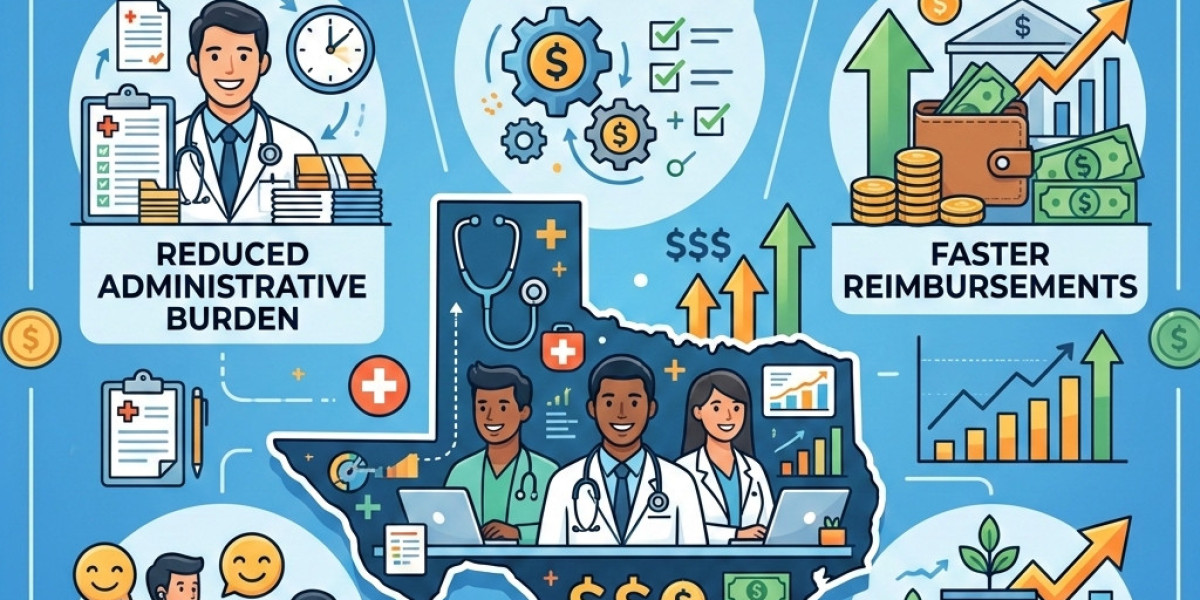

In today’s fast-evolving healthcare landscape, primary care practices in Texas are facing mounting administrative pressure. From ever-changing payer guidelines to complex coding updates and rising patient expectations, managing billing in-house has become more challenging than ever. For many clinics across the Lone Star State, outsourcing primary care billing services is no longer just a cost-saving tactic—it’s a strategic growth decision.
Texas is home to one of the largest and most diverse patient populations in the United States. With expanding Medicaid programs, a significant Medicare demographic, and a high number of commercial insurance plans, billing complexities can quickly overwhelm internal teams. As a result, primary care providers are turning to specialized partners like 247 Medical Billing Services to streamline revenue cycle management and protect their financial stability.
This article explores why outsourcing primary care billing services in Texas is gaining momentum, how it benefits clinics of all sizes, and what to look for in a reliable billing partner.
The Unique Billing Challenges of Primary Care Practices in Texas
Primary care is the foundation of the healthcare system. Physicians manage chronic conditions, preventive screenings, wellness visits, and acute care—all under one roof. While this comprehensive approach benefits patients, it complicates billing operations.
1. Complex Payer Mix
Texas practices deal with:
Medicare and Medicare Advantage plans
Texas Medicaid and managed care organizations
Commercial insurers
Employer-sponsored health plans
Self-pay and high-deductible patients
Each payer has different rules, reimbursement rates, and documentation requirements. Missing even a small detail can result in denials or delayed payments.
2. High Volume of Evaluation & Management (E/M) Codes
Primary care relies heavily on E/M coding. The 2021 E/M updates increased documentation scrutiny, especially for time-based billing and medical decision-making complexity. Without expert coders, practices risk undercoding (losing revenue) or overcoding (compliance risks).
3. Increasing Regulatory Oversight
Healthcare regulations continue to evolve at both federal and state levels. Texas providers must remain compliant with:
HIPAA privacy standards
CMS billing guidelines
Medicaid policy changes
Value-based care reporting requirements
Maintaining compliance internally requires ongoing training and auditing—often beyond the scope of small administrative teams.
What Does Outsourcing Primary Care Billing Services Really Mean?
Outsourcing primary care billing services involves partnering with a specialized revenue cycle management (RCM) company to handle key financial processes, including:
Patient eligibility verification
Accurate coding and charge entry
Claims submission
Denial management
Payment posting
Accounts receivable (A/R) follow-up
Patient billing and support
Reporting and performance analytics
Instead of relying solely on in-house staff, practices gain access to a team of certified billing professionals who focus exclusively on revenue optimization.
Why Texas Practices Are Making the Shift
Across cities like Houston, Dallas, Austin, San Antonio, and smaller rural communities, clinics are discovering that outsourcing offers measurable advantages.
1. Improved Cash Flow
One of the primary benefits of outsourcing primary care billing services is faster reimbursement. Professional billing teams:
Submit clean claims the first time
Track denials proactively
Follow up consistently with payers
Reduce days in A/R
When claims are processed efficiently, practices experience steady and predictable cash flow—critical for payroll, facility costs, and expansion.
2. Reduced Administrative Burden
Physicians and office managers often spend excessive time managing billing issues. Outsourcing allows:
Staff to focus on patient care
Fewer interruptions from insurance disputes
Reduced burnout among front-desk teams
Simplified workflows
In a competitive Texas healthcare market, operational efficiency can directly impact patient satisfaction and retention.
3. Access to Billing Expertise
Specialized billing companies stay updated on:
Coding changes
Payer-specific requirements
State-level Medicaid updates
CMS policy modifications
This expertise is especially valuable in Texas, where payer rules may vary significantly across regions and insurance networks.
How 247 Medical Billing Services Supports Texas Primary Care Clinics
When evaluating partners for outsourcing primary care billing services, experience and industry focus matter. 247 Medical Billing Services understands the nuances of primary care revenue cycles and offers solutions tailored to Texas providers.
Key Advantages:
Certified coders trained in E/M guidelines
Dedicated account managers for personalized support
Comprehensive denial management strategies
Transparent performance reporting
HIPAA-compliant processes and secure systems
By aligning billing strategies with each clinic’s workflow, they help reduce claim rejections and maximize reimbursements without compromising compliance.
Financial Impact: Is Outsourcing Cost-Effective?
Many Texas providers initially worry about the cost of outsourcing. However, when comparing expenses, outsourcing often proves financially advantageous.
Consider In-House Costs:
Salaries and benefits for billing staff
Ongoing training and certification
Billing software subscriptions
IT infrastructure and security
Office space and overhead
Outsourcing typically operates on a percentage-based model tied to collections. This means:
No fixed payroll burden
Scalable services as your practice grows
Performance-based incentives
Lower long-term operational risk
For small to mid-sized primary care clinics in Texas, this model provides flexibility and predictability.
Supporting Value-Based Care and Preventive Services
Texas providers are increasingly participating in value-based care models and preventive health initiatives. These programs require:
Accurate documentation
Quality reporting
Chronic care management billing
Annual wellness visit optimization
Outsourced billing teams help ensure:
Proper coding for preventive visits
Timely submission of quality metrics
Accurate chronic care management claims
Full reimbursement for care coordination services
This proactive approach protects revenue while supporting patient-centered outcomes.
Minimizing Denials and Compliance Risks
Denials are one of the biggest revenue drains in primary care. Common issues include:
Eligibility errors
Incomplete documentation
Incorrect modifiers
Authorization problems
Timely filing limits
A specialized billing partner systematically analyzes denial trends and implements corrective strategies. Regular audits and compliance checks also reduce the risk of costly penalties or audits.
For Texas clinics serving large Medicaid populations, proactive denial management is especially critical due to stricter documentation standards.
Enhancing Patient Experience Through Better Billing
Modern patients expect clear communication and transparency. Billing confusion often leads to frustration and negative reviews.
Outsourcing primary care billing services improves the patient financial experience by:
Offering accurate and easy-to-understand statements
Providing responsive customer support
Reducing billing errors
Streamlining payment options
When billing processes are smooth, patient trust and satisfaction increase—an essential factor in today’s reputation-driven healthcare market.
Scalability for Growing Texas Practices
Texas continues to experience rapid population growth, especially in metropolitan regions. As patient volumes increase, billing demands rise proportionally.
Outsourced billing services allow practices to:
Expand without hiring additional billing staff
Open new locations with minimal administrative strain
Integrate new providers seamlessly
Adjust services based on seasonal patient fluctuations
This scalability is particularly beneficial for family medicine groups and multi-provider clinics planning long-term expansion.
What to Look for When Choosing a Billing Partner
If your practice is considering outsourcing primary care billing services, evaluate potential partners carefully.
Essential Criteria:
Experience in primary care billing
Familiarity with Texas Medicaid and regional payers
Transparent reporting dashboards
Proven denial reduction strategies
Compliance-focused processes
Strong communication and support
Request performance metrics such as:
Average days in A/R
First-pass claim acceptance rates
Denial percentages
Collection ratios
A reputable provider should confidently share measurable outcomes.
Common Myths About Outsourcing Billing
“We’ll lose control over our revenue.”
In reality, modern billing partners provide detailed analytics and real-time reporting, giving practices greater visibility than many in-house systems.
“It’s only for large practices.”
Small and mid-sized clinics often benefit the most, as outsourcing eliminates the cost burden of maintaining a full billing department.
“Transitioning will disrupt operations.”
With structured onboarding processes, experienced companies ensure a smooth transition without interrupting claim submissions.
The Long-Term Strategic Advantage
Primary care providers in Texas face increasing competition, administrative complexity, and financial pressure. Attempting to manage billing internally while also delivering high-quality patient care can stretch resources thin.
By outsourcing primary care billing services, clinics gain:
Financial stability
Regulatory confidence
Operational efficiency
More time for patient-centered care
Strategic growth opportunities
When partnered with experienced teams like 247 Medical Billing Services, practices position themselves for sustainable success in a demanding healthcare environment.
Conclusion: A Smarter Path Forward for Texas Primary Care
The healthcare industry is evolving rapidly, and primary care practices must adapt to survive and thrive. In Texas, where regulatory requirements, payer diversity, and patient demand create unique challenges, effective revenue cycle management is not optional—it is essential.
Outsourcing primary care billing services offers a practical, cost-effective solution that improves cash flow, reduces administrative strain, strengthens compliance, and enhances the patient experience. Rather than viewing outsourcing as an expense, forward-thinking clinics recognize it as an investment in long-term growth.
For Texas primary care providers seeking stability, scalability, and financial optimization, partnering with a trusted billing expert like 247 Medical Billing Services may be the strategic move that transforms their practice’s future.