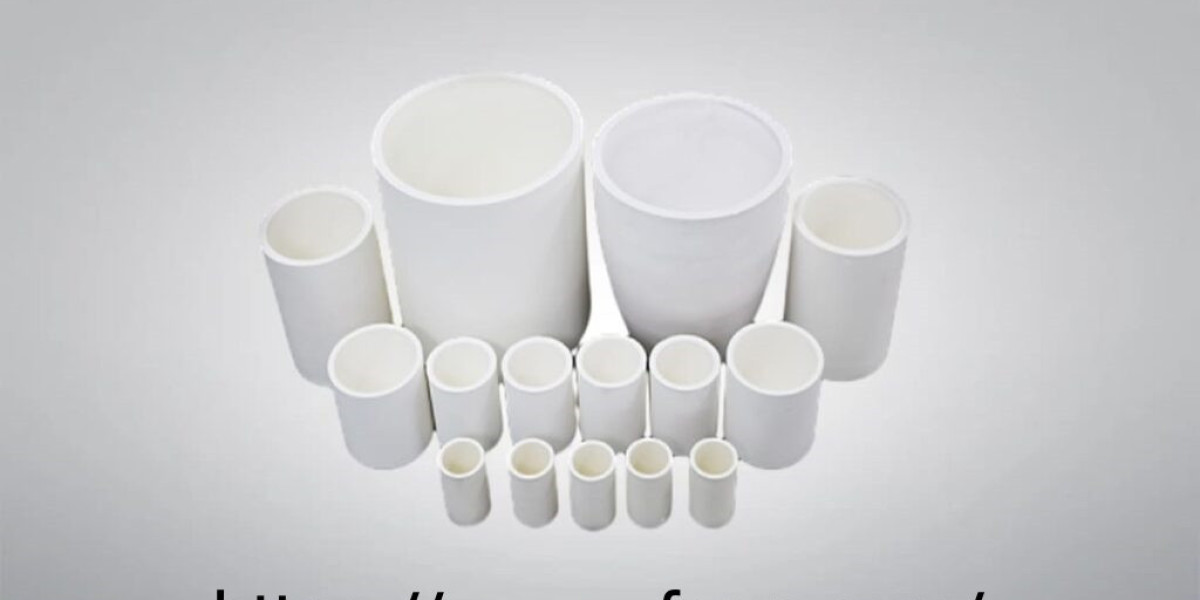

Zhufa Advanced Ceramics represent a quiet yet influential force within contemporary engineering landscapes. Their structural resilience, thermal stability, and electrical insulation properties allow designers to address demanding operational requirements with thoughtful material selection. Zhufa approaches ceramic production with measured craftsmanship, aligning research with real world application expectations.
Industrial transformation often relies on materials capable of maintaining integrity under stress. Traditional metals and polymers offer advantages, yet certain environments require alternative solutions. Ceramic compositions provide hardness combined with corrosion resistance, supporting extended functionality within mechanical systems exposed to friction or reactive atmospheres.
Temperature management remains central to many industries. Components situated near heat sources must preserve dimensional accuracy without distortion. Ceramic materials maintain structural consistency during thermal expansion cycles, supporting continuous operation within manufacturing lines and energy equipment.
Electrical safety plays a vital role in electronic assembly. Insulating substrates must prevent current leakage while tolerating environmental variation. Ceramic structures deliver reliable dielectric behavior, protecting circuits and sensors housed within compact devices. This capability enables stable performance within communication systems and monitoring equipment.
Chemical durability supports equipment longevity. Processing plants often encounter acidic vapors, moisture, or abrasive particles. Ceramic surfaces resist degradation and preserve structural clarity. This resilience reduces downtime and encourages steady operational rhythm.
Customization flexibility enhances design freedom. Through advanced forming techniques and precise machining, intricate shapes can be produced. Engineers can integrate ceramic elements seamlessly into complex assemblies, balancing structural demands with spatial constraints. This adaptability benefits industries ranging from medical devices to environmental control systems.
Wear resistance influences lifecycle management. Rotating interfaces, sliding contacts, and sealing surfaces experience constant friction. Ceramic hardness reduces material loss and maintains smooth interaction between components. Extended service intervals contribute to operational efficiency and resource awareness.
Lightweight structural advantage also merits attention. Despite high strength, certain ceramic formulations maintain relatively low mass compared to traditional metal options. This characteristic supports applications where weight reduction influences performance or energy consumption.
Surface refinement techniques further expand functional potential. Polishing and coating processes allow adjustment of texture and interaction behavior. Controlled finishing enhances compatibility between ceramic elements and complementary materials within mechanical assemblies.
Environmental responsibility guides material selection across global industries. Durable solutions reduce waste generation and promote sustainable production cycles. Ceramic longevity aligns with this objective by minimizing replacement frequency and supporting consistent performance.
Continuous improvement shapes manufacturing philosophy. Careful monitoring of firing parameters, particle distribution, and quality verification contributes to reliable output. Structured production management ensures that each component aligns with intended mechanical and environmental requirements.
Exploring comprehensive ceramic solutions can open new possibilities for structural design, electrical insulation, and thermal management. Additional product information and consultation support are accessible at the following address: https://www.zfcera.com/