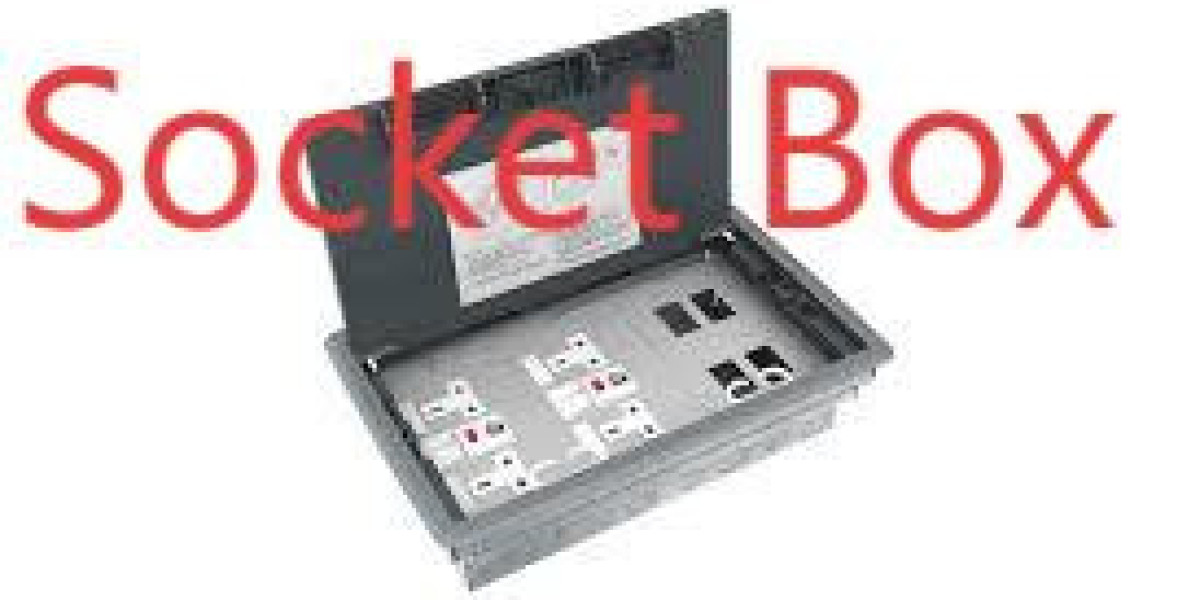

Selecting the right partner is a strategic move: many procurement teams place a Electrical Socket Box Supplier in the middle of their vendor specs to lock down mechanical cutouts and sealing details early, and project engineers often name a Electrical Socket Box supplier on drawings to ensure consistent quality during installation. Getting this decision right saves time in the field, reduces unexpected modification work, and makes warranty and spare-part management straightforward. Below I walk through practical evaluation criteria, testing and certification considerations, customization and manufacturing flexibility, supply-chain realities, and after-sales support models that help teams choose a supplier who delivers value over the full lifecycle.
Read the Data Sheets: Material and Design Details Matter
Don’t rely on gloss photos alone. Compare wall thicknesses, gasket profiles, fastener materials, and mounting provisions across candidate products. A box that looks identical at a glance can perform very differently when exposed to UV, salt spray, or mechanical abuse. Ask for exploded drawings and bills of materials so your engineering team can verify compatibility with your connectors and conduit runs. If you expect frequent access, choose designs with captive screws and replaceable gaskets to reduce lifetime maintenance costs.
Certifications, Testing, and Third-Party Validation
Certifications are more than stickers — they document how a product performs under defined conditions. Prioritize suppliers who provide independent test reports for IP/NEMA ratings, flammability, and corrosion where relevant. If a local authority requires UL, IEC, or regional approvals, get the exact certificate numbers and scope of testing. For mission-critical sites, request recent lab reports and material certificates rather than accepting vendor claims alone. A robust quality management system (for example, ISO 9001) typically signals better process control.
Manufacturing Flexibility and Custom Options
Understand the supplier’s tooling model: can they economically produce small bespoke runs, or do they require large minimum orders? If you need custom cutouts, printed legends, or special coatings, confirm lead times and sample turnaround. Suppliers that offer modular plate systems, pre-wired internal assemblies, or matched accessory kits can significantly reduce onsite labor. Ask about change-order procedures and who owns tooling for bespoke parts — this affects future costs if you revise specifications.
Supply Chain, Lead Times, and Logistics (Featuring Schneider Electric)
Reliable delivery often matters more than the lowest unit price. Get historical lead-time ranges and ask how they handle rush orders. If you integrate modules from established brands like Schneider Electric, verify that adapter plates and cutouts are available or that the supplier can supply validated pre-fitted kits. Consider dual-sourcing for critical programs to reduce single-supplier risk, and discuss inventory strategies for spares to avoid long project delays.
After-Sales Support, Spares, and Warranty Terms
A strong warranty and accessible spare parts reduce total cost of ownership. Ensure the supplier provides clear warranty coverage, defined remedies for defects, and a practical return-materials-authorization process. Maintain a small kit of common spares — gaskets, glands, fasteners, and standard plates — to speed repairs in the field. Ask whether they offer installation training, troubleshooting guides, or remote technical support to help your crews during initial deployment and when unexpected issues occur.
Commercial Clauses and Contract Best Practices
Structure your procurement so acceptance testing occurs before full payment. Use pilot orders to validate fit and function in-situ, then proceed to production quantities. Define rejection criteria, remedies for nonconforming goods, and lead-time penalties for missed deliveries on critical paths. Negotiate ownership of custom tooling and consider options for periodic design reviews to incorporate field-learned improvements without excessive cost.
Sustainability and Lifecycle Costing
Looking beyond purchase price makes fiscal sense. Durable gaskets, UV-stable housings, and repairable designs often lower replacement frequency and waste. Ask suppliers about material sourcing, recyclability, and end-of-life programs if sustainability is a stakeholder priority. Model total lifecycle cost — purchase, installation labor, maintenance, and downtime risk — to choose the supplier offering the best long-term return.
Choosing an Electrical Socket Box supplier is a cross-functional decision that touches engineering, procurement, and operations. By insisting on clear technical documentation, independent testing, flexible manufacturing options, reliable logistics, and responsive after-sales support, organizations dramatically reduce on-site surprises and lifecycle expense. For a practical resource explaining socket box fundamentals and common use cases, see https://www.nante.com/news/industry-news/what-is-a-socket-box.html