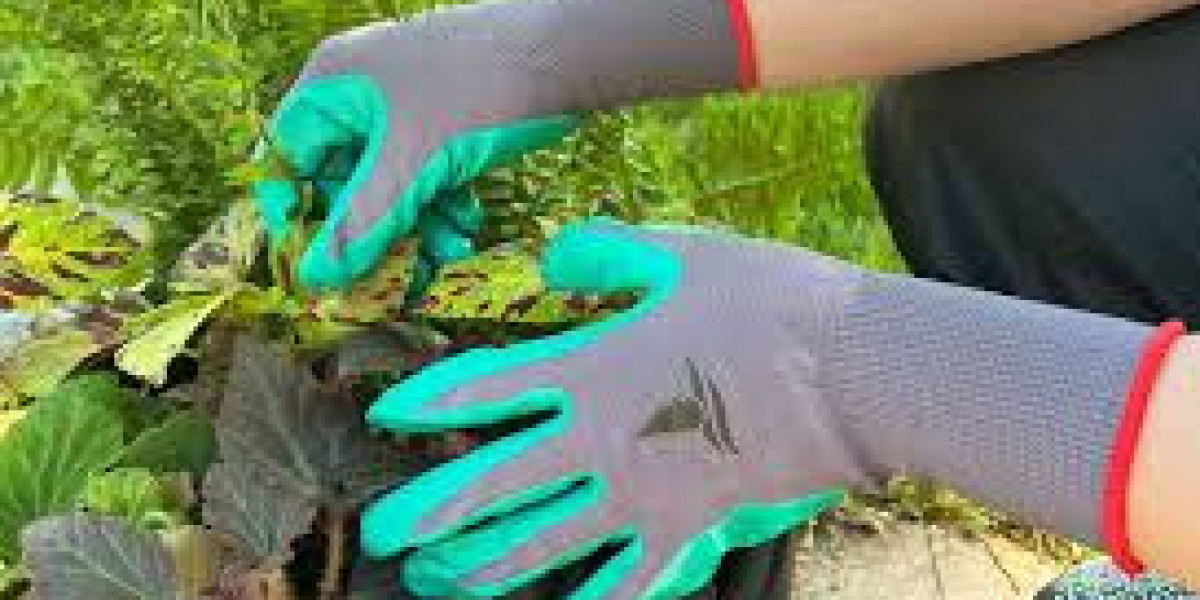

Gardening is more than a hobby. It is therapy, exercise, creativity, and a way to connect with nature. Yet anyone who spends serious time in soil understands that the right protective gear makes all the difference. Among the essentials, high quality hand protection stands at the top of the list.
For professionals, landscapers, nurseries, and even passionate home growers, investing in custom gardening gloves is not about aesthetics alone. It is about precision, durability, safety, and brand identity. The right pair can improve productivity, reduce fatigue, and protect hands from long term strain.
This comprehensive guide explores everything you need to know about personalized garden gloves, from materials and manufacturing to business advantages and long term value.
Why Proper Hand Protection Matters in Gardening
Gardening exposes hands to constant friction, moisture, bacteria, thorns, splinters, and chemicals. Repetitive tasks such as pruning, digging, planting, and trimming demand flexibility while maintaining protection.
Poorly fitted gloves can cause:
Reduced grip strength
Hand fatigue
Blisters and skin irritation
Decreased dexterity
Safety risks when handling tools
On the other hand, well designed gloves tailored to specific needs provide comfort, durability, and confidence during demanding tasks.
What Makes Personalized Garden Gloves Different
Standard off the shelf gloves are mass produced for general use. They may fit reasonably well, but rarely address specific industry or branding requirements.
Customized options are developed with purpose. They allow you to select materials, coatings, cuff styles, sizes, colors, and even logo placement. More importantly, they are built around how and where they will be used.
This level of detail makes a major difference for:
Landscaping companies
Agricultural operations
Horticulture businesses
Garden centers
Promotional merchandise distributors
Corporate sustainability programs
The result is functional gear that reflects both performance needs and brand identity.
Key Materials Used in High Quality Garden Gloves
Material selection determines comfort, durability, breathability, and resistance.
Cotton and Polyester Blends
Lightweight and breathable, these are ideal for general planting and maintenance tasks. They allow airflow while offering basic protection against dirt and minor abrasions.
Nitrile Coated Gloves
Nitrile provides excellent grip and resistance to oils and moisture. This makes it suitable for wet soil, irrigation work, and handling slippery tools.
Latex Coating
Latex offers flexibility and strong grip. It is particularly effective for precision tasks like transplanting seedlings. However, it may not be suitable for individuals with latex sensitivity.
Leather
Cowhide or goatskin leather delivers superior durability and thorn resistance. It is often chosen for pruning roses, handling rough materials, or landscaping heavy duty tasks.
Bamboo Fiber and Eco Materials
Sustainability is becoming a major focus in gardening. Eco friendly fibers such as bamboo are soft, breathable, and biodegradable, making them attractive for environmentally conscious brands.
Design Features That Enhance Performance
A glove is not defined by material alone. Smart design significantly impacts usability.
Ergonomic Fit
Anatomically shaped gloves reduce strain and improve grip strength. Pre curved fingers allow natural hand positioning during extended use.
Reinforced Fingertips and Palms
High wear areas benefit from additional layers. This extends lifespan and prevents early tearing.
Breathable Back Panels
Moisture buildup causes discomfort. Ventilated fabric or mesh panels keep hands cool and dry.
Adjustable Cuffs
Secure cuffs prevent soil and debris from entering while ensuring a snug fit.
Touchscreen Compatibility
Modern gardeners often use mobile devices for planning, ordering supplies, or checking schedules. Touch responsive fingertips eliminate the need to remove gloves constantly.
Benefits for Professional Landscaping Businesses
For landscaping companies, customized gloves are more than protective equipment. They are part of a professional image.
Enhanced Brand Visibility
Branded gloves worn daily by crew members increase exposure in residential neighborhoods, commercial sites, and public spaces.
Improved Team Identity
Uniform gear fosters a sense of unity and professionalism among workers.
Long Term Cost Efficiency
Durable gloves reduce frequent replacements, lowering operational costs over time.
Safety Compliance
High quality protective gear supports workplace safety standards and reduces injury related downtime.
Advantages for Retail and Promotional Markets
Retailers and promotional product distributors are increasingly turning to private label garden gloves.
Product Differentiation
Unique designs and packaging help brands stand out in competitive garden supply markets.
Custom Packaging Opportunities
Branded tags, eco friendly packaging, and attractive retail displays elevate perceived value.
Seasonal Campaigns
Spring planting season, Earth Day campaigns, and outdoor festivals create ideal opportunities for branded garden gear.
The Manufacturing Process Behind Quality Gloves
Understanding how gloves are made provides insight into their durability and performance.
Yarn Selection and Knitting
The base liner is knitted using automated machines to ensure consistent sizing and stretch.
Coating Application
Nitrile or latex coatings are applied through dipping processes. Thickness and texture can be adjusted depending on grip requirements.
Curing and Finishing
Gloves undergo heat treatment to strengthen coatings and improve elasticity.
Quality Inspection
Each batch is tested for tear resistance, abrasion strength, and flexibility.
Manufacturers who follow strict quality control standards deliver consistent results that meet professional expectations.
How to Choose the Right Gloves for Your Needs
Selecting the right pair requires careful consideration of task type, environment, and frequency of use.
Consider Task Intensity
Light planting tasks require flexibility and breathability. Heavy landscaping demands reinforced palms and durable coatings.
Evaluate Environmental Conditions
Wet climates call for water resistant materials. Hot regions benefit from breathable liners.
Assess Comfort and Fit
Proper sizing reduces fatigue. Gloves should fit snugly without restricting movement.
Think About Branding Goals
If gloves are part of your business identity, consider color schemes, logo placement, and overall design consistency.
Sustainability and Eco Conscious Production
Modern gardening aligns closely with environmental awareness. Many manufacturers now offer:
Recycled polyester liners
Biodegradable packaging
Reduced chemical coating processes
Energy efficient manufacturing facilities
Eco conscious gloves align with sustainability messaging and appeal to environmentally aware consumers.
Long Term Value Versus Short Term Savings
Some buyers prioritize low price over quality. However, cheaper gloves often wear out quickly, resulting in higher replacement frequency.
Investing in durable, well constructed gloves leads to:
Fewer replacements
Reduced waste
Better worker satisfaction
Consistent performance
Over time, this approach delivers stronger return on investment.
Common Mistakes to Avoid When Ordering
To ensure successful procurement, avoid these pitfalls:
Ignoring Sizing Variations
Different regions may follow different sizing standards. Always confirm measurements.
Overlooking Sample Testing
Requesting product samples helps verify comfort and durability before bulk production.
Focusing Only on Appearance
Visual design matters, but performance must remain the priority.
Neglecting Compliance Standards
Professional environments may require gloves that meet specific safety certifications.
Future Trends in Gardening Hand Protection
Innovation continues to shape the industry.
Smart Fabric Integration
Research into temperature regulating fibers and antimicrobial treatments is gaining momentum.
Sustainable Material Expansion
Plant based coatings and compostable fibers are emerging alternatives.
Improved Grip Technology
Advanced textured coatings enhance tool control without sacrificing flexibility.
As gardening becomes more sophisticated, protective gear will continue evolving to meet new demands.
How Customization Strengthens Brand Authority
Beyond physical protection, personalized gloves communicate professionalism.
When clients see consistent, high quality branded gear, they associate it with:
Reliability
Attention to detail
Commitment to safety
Industry expertise
This subtle branding reinforces trust without overt advertising.
Final Thoughts on Investing in Quality Garden Gloves
Gardening requires patience, knowledge, and the right tools. Hand protection often goes underestimated until discomfort or injury occurs.
Choosing tailored solutions ensures that gloves align perfectly with task requirements, environmental conditions, and brand identity. Whether for commercial landscaping, retail distribution, or corporate gifting, thoughtful design and high quality materials make a measurable difference.
Rather than treating gloves as disposable accessories, viewing them as performance tools transforms the gardening experience. Comfort improves. Productivity increases. Brand visibility strengthens. And hands remain protected season after season.
Frequently Asked Questions
Are customized garden gloves suitable for heavy duty landscaping work
Yes. By selecting durable materials such as leather or reinforced nitrile coatings, gloves can handle demanding landscaping tasks.
Can eco friendly materials still provide strong protection
Absolutely. Many sustainable fibers are engineered for strength and flexibility while reducing environmental impact.
How long do high quality garden gloves typically last
Longevity depends on usage intensity, but premium gloves often last significantly longer than standard retail options.
Are branded gloves only useful for large companies
Not at all. Small businesses, community gardens, and even event organizers benefit from personalized protective gear.
What is the most important factor when choosing gloves
Fit and functionality are critical. A glove must match the intended task and provide comfort during extended use.