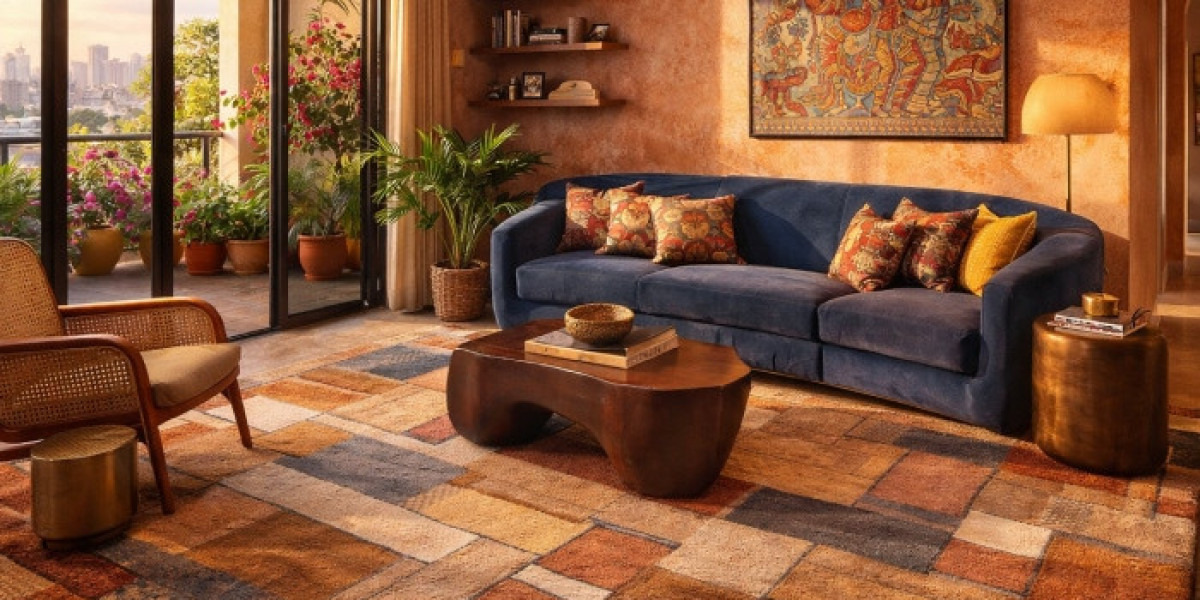

A living room sets the tone for the entire home. It is the place where conversations unfold, laughter echoes, and quiet evenings are spent unwinding after long days. Every design choice in this space carries weight, from the colour of the walls to the arrangement of furniture. Among these elements, the flooring foundation often determines whether the room feels cold and unfinished or warm and welcoming. Texture, colour harmony, and proportion all play essential roles in shaping a cohesive look that feels intentional rather than accidental.
Thoughtful styling begins with understanding balance. Large furniture pieces require grounding elements that visually anchor them. Without this balance, even the most beautiful sofa or coffee table can appear disconnected. Soft furnishings, layered fabrics, and subtle patterns help create visual flow. A carefully selected rug can tie together different tones in the room while also adding depth and personality.
Why Texture and Layering Matter
Texture transforms a flat space into one that feels dynamic and lived in. Smooth leather sofas paired with soft woven fabrics create contrast that pleases the eye. Natural fibers such as wool or cotton bring warmth, while synthetic blends often offer durability and ease of care. Layering various materials prevents the room from feeling one dimensional.
Beyond visual appeal, comfort plays a crucial role. A plush underfoot surface changes how a room feels physically. Walking barefoot across a soft surface provides an entirely different sensory experience compared to stepping onto hard tile or wood. This comfort subtly enhances daily living, making the space more inviting for both family members and guests.
Finding the Right Size and Placement
Scale can make or break a design. Too small, and the room looks fragmented. Too large, and the furniture appears crowded. Proportion should complement the seating arrangement rather than compete with it. Ideally, major furniture pieces either rest entirely on the rug or at least have their front legs placed upon it. This creates a unified layout and avoids a floating appearance.
When choosing rugs for living room spaces, attention to dimension becomes especially important. The rug should frame the seating area naturally, guiding the eye without overwhelming the room. Neutral shades offer versatility, while bold patterns can serve as a focal point that defines the entire aesthetic.
Color Coordination and Visual Harmony
Colour influences mood more than many realize. Soft beiges and creams create a calming effect, while deep blues and greens evoke sophistication. Warmer tones like terracotta or rust introduce coziness and character. Matching accent pillows or throws to subtle hints within the rug pattern can create cohesion without appearing overly coordinated.
Design inspiration often comes from broader artistic movements. For example, exploring mid century modern interior design trends can provide ideas for blending geometric patterns with organic textures. Drawing from established design styles ensures that decorative decisions feel intentional rather than random.
Practical Considerations for Everyday Life
A living room is not just for display; it is meant to be lived in. Durability matters, especially in households with children or pets. Stain resistant materials and tightly woven fibers can withstand frequent use while maintaining their appearance. Maintenance routines should also be considered. Some materials require professional cleaning, while others can be spot cleaned with minimal effort.
Slip resistance is another overlooked factor. A quality rug pad beneath the surface prevents shifting and adds extra cushioning. This simple addition increases both safety and longevity. Investing in quality rather than opting for the cheapest option often pays off in the long run, as well crafted materials retain their structure and color for years.
Creating a Personal Statement
A living room reflects personality. Some homeowners gravitate toward minimalist designs with subtle patterns and muted shades. Others prefer vibrant colors and intricate motifs that capture attention immediately. There is no single correct choice, only what resonates with the household’s lifestyle and aesthetic preferences.
Mixing modern elements with traditional influences can create a layered and collected feel. Vintage inspired patterns paired with contemporary furniture produce contrast that feels curated rather than chaotic. Lighting also enhances the overall look, highlighting textures and bringing out the depth of woven details.
Bringing Everything Together
A thoughtfully designed living space goes beyond decoration. It becomes a backdrop for everyday moments and special gatherings alike. The right foundation piece connects furniture, balances color, and enhances comfort in ways that might not be obvious at first glance but are deeply felt over time.
Careful planning ensures that style and function coexist harmoniously. From selecting the right texture to choosing a complementary color palette, each decision contributes to a unified environment. With patience and attention to detail, a living room can evolve into a space that feels both beautiful and genuinely lived in, offering comfort, warmth, and timeless appeal for years to come.