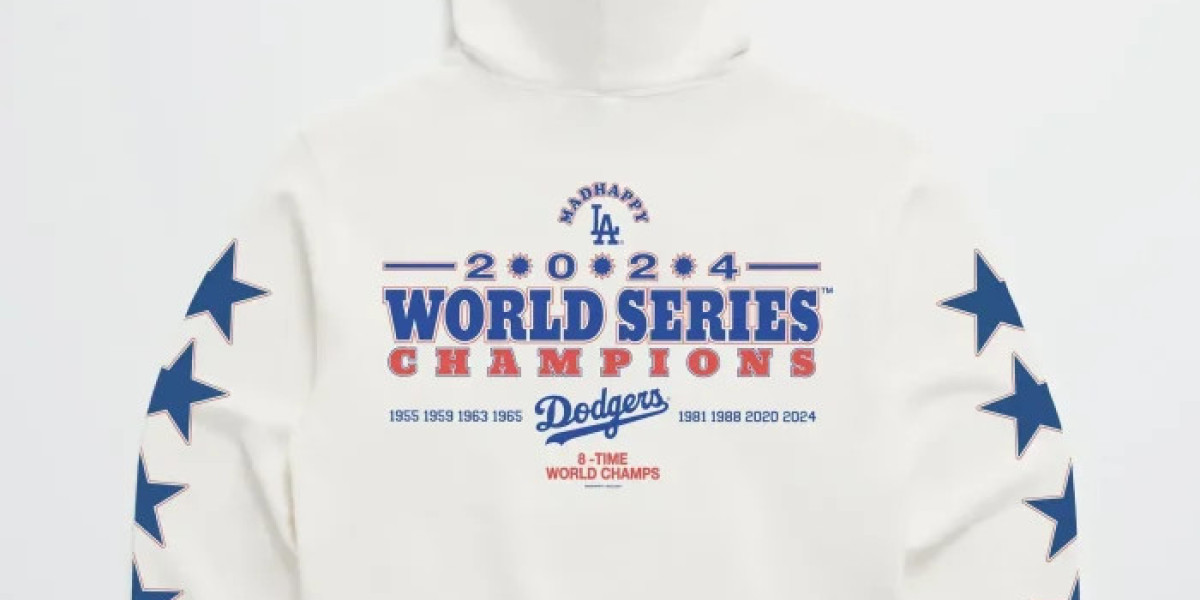

The Birth of Madhappy: Where Emotion Meets Apparel
In a fashion world often driven by hype, exclusivity, and seasonal trends, Madhappy emerged as a refreshing voice focused on something deeper—human emotion. Founded in 2017 in Los Angeles, Madhappy was not created just to sell hoodies and sweatpants. It was built to spark conversations around mental health and emotional well-being. At a time when social media was amplifying curated perfection, Madhappy introduced a new narrative: it’s okay to feel everything. The brand’s name itself captures the complexity of human emotion. We are not just happy or sad; we are both. That duality became the heartbeat of the company.
From its earliest collections, Madhappy stood out with vibrant colors, uplifting typography, and a clean aesthetic that felt modern yet meaningful. Instead of relying solely on celebrity endorsements or aggressive marketing tactics, the brand built its reputation through authenticity. It connected with a generation that values transparency, vulnerability, and community. Madhappy did not just create clothing—it created a movement rooted in optimism and mental health awareness.
A Philosophy Rooted in Optimism
At the core of Madhappy lies a powerful philosophy: optimism is a practice. This belief shapes everything the brand produces. Rather than promoting toxic positivity or unrealistic happiness, Madhappy encourages honest emotional expression. The idea is simple but profound—life is full of highs and lows, and embracing both is essential for growth.
This philosophy translates into design choices. The pastel palettes, relaxed silhouettes, and soft fabrics reflect comfort not just physically but emotionally. Wearing Madhappy feels intentional. It feels like choosing to show up in the world with openness. Their messaging, often printed boldly across sweatshirts and tees, speaks directly to the wearer and the observer. Phrases centered around hope, local optimism, and mental wellness create an immediate sense of connection.
By positioning optimism as something active rather than passive, Madhappy challenges its audience to engage with their mental well-being daily. The clothing becomes a reminder—almost like wearable affirmation—that even difficult emotions are part of the human journey.
The Madhappy Aesthetic: Elevated Streetwear with Purpose
While Madhappy’s mission is powerful, its success is also rooted in exceptional design. The brand masterfully blends premium craftsmanship with relaxed streetwear vibes. Oversized hoodies, heavyweight fleece, structured sweatpants, and vintage-inspired graphics define the collection. Each piece feels thoughtfully constructed, balancing durability with softness.
Color plays a crucial role in the Madhappy identity. From muted earth tones to vibrant seasonal drops, every release feels curated rather than random. The garments are not overloaded with graphics; instead, they use minimal yet impactful branding. This restraint gives the pieces longevity. They don’t feel tied to one trend cycle—they feel timeless.
Madhappy’s approach to limited drops also fuels anticipation. Rather than flooding the market, the brand carefully releases collections that maintain exclusivity without alienating its audience. The balance between accessibility and aspiration is carefully managed, which keeps the brand desirable yet relatable.
Community as the Foundation
One of Mad Happiness strongest pillars is community building. The brand has hosted pop-up shops, panel discussions, and wellness events that go far beyond retail experiences. These gatherings create safe spaces for open conversations about mental health. Customers are not treated as mere consumers—they are participants in a larger dialogue.
Through initiatives like The Madhappy Foundation, the brand extends its impact beyond fashion. A portion of proceeds supports mental health research and awareness programs. This commitment reinforces authenticity. It shows that the mission is not a marketing angle but a genuine priority.
Community engagement also happens digitally. Social media platforms are used not just for product promotion but for storytelling and dialogue. By sharing personal experiences, educational content, and collaborative campaigns, Madhappy cultivates trust and loyalty. In a crowded streetwear market, this emotional connection becomes a defining advantage.
Collaborations That Expand the Message
Strategic collaborations have also played a major role in Madhappy’s growth. Partnerships with established brands and institutions introduce the optimism-driven message to new audiences. These collaborations are never random; they align with the brand’s identity and values.
Whether partnering with sports organizations or heritage fashion labels, Madhappy maintains its voice. The pieces remain consistent with its clean design language while incorporating unique elements from collaborators. This careful curation ensures that every partnership feels purposeful rather than opportunistic.
Collaborations also reflect Madhappy’s ability to exist at the intersection of culture, sport, and lifestyle. By engaging with multiple industries, the brand strengthens its position as more than just a clothing label—it becomes a cultural presence.
Quality Over Hype: A Sustainable Approach to Growth
Unlike many streetwear brands that rely heavily on shock value or viral moments, Madhappy focuses on sustainable growth. Quality remains central. Heavyweight cotton, premium dyeing techniques, and attention to stitching detail elevate the product beyond typical casual wear. Customers often describe the garments as investment pieces—comfortable enough for daily wear yet durable enough to last for years.
This commitment to craftsmanship builds trust. When customers purchase a Madhappy hoodie or crewneck, they expect consistency. That reliability strengthens brand loyalty and encourages repeat purchases. Instead of chasing fleeting trends, Madhappy builds long-term relationships.
The brand’s steady expansion into physical retail spaces also reflects thoughtful growth. Rather than opening stores everywhere at once, Madhappy chooses locations strategically, often tied to community-driven events. Each physical presence becomes an extension of the brand’s optimistic universe.
The Cultural Impact of Madhappy
Madhappy’s influence goes beyond fashion racks and Instagram feeds. It has helped normalize mental health discussions in spaces where such conversations were once rare. Streetwear, traditionally associated with status and exclusivity, now carries messages of vulnerability and emotional awareness.
Young consumers especially resonate with this shift. In an era marked by global uncertainty, economic pressure, and digital overload, clothing that promotes openness feels empowering. Madhappy offers more than style—it offers solidarity. It reminds wearers that they are not alone in their experiences.
The brand’s success demonstrates that purpose-driven fashion is not just a trend but a powerful business model. Consumers increasingly support companies that align with their values. Madhappy proves that profitability and purpose can coexist.
Looking Ahead: The Future of Optimistic Fashion
As Essentials Fear Of God continues to evolve, its challenge will be maintaining authenticity while scaling globally. Yet its foundation appears strong. By staying committed to quality, community, and mental health advocacy, the brand positions itself for long-term relevance.
The future of fashion is shifting toward emotional intelligence and conscious consumerism. Madhappy stands at the forefront of this movement. Its journey from a Los Angeles startup to a globally recognized name highlights the power of combining thoughtful design with meaningful messaging.
Ultimately, Madhappy represents more than a clothing label. It represents a mindset. It invites people to embrace complexity, practice optimism, and express themselves honestly. In doing so, it transforms everyday apparel into a symbol of connection and hope.