
Difference Between QLED and LED TVs
When shopping for a new television, the terminology can quickly become confusing. The most common debate for modern consumers is choosing between standard LED and the more advanced QLED technology. While both use liquid crystal displays (LCD) and light-emitting diode (LED) backlighting, the primary difference lies in how they produce color and brightness. Understanding these technical nuances is essential if you want to make an informed investment in your home entertainment system.
Standard LED televisions have been the industry benchmark for over a decade. They work by using a backlight to shine through a layer of liquid crystals that create the images you see on the screen. However, as technology progressed, manufacturers sought ways to improve color vibrancy and light efficiency. This led to the development of the QLED TV, which introduces a "Quantum Dot" layer between the backlight and the screen. These tiny particles, or nanocrystals, emit specific colors when hit by light, resulting in a much broader and more accurate color spectrum than traditional filters can provide.
The Role of Quantum Dots in Display Quality
The "Q" in QLED stands for Quantum Dot. These dots vary in size; larger dots glow red, while smaller ones glow green. By precisely controlling these particles, a television can produce highly saturated colors that remain vivid even in very bright rooms. Traditional LED TVs often struggle with color washout when the backlight is pushed to its maximum, but Quantum Dot technology maintains "color volume," ensuring that a bright red remains red rather than turning pinkish at high luminance levels.
This technology is particularly beneficial for High Dynamic Range (HDR) content. HDR requires a screen to reach high peak brightness levels to show highlights like sunlight or reflections accurately. Because QLEDs are capable of much higher brightness than standard LEDs or even some OLEDs, they are often considered the best choice for well-lit Pakistani living rooms where sunlight might interfere with the viewing experience.
Why Choose Samsung QLED TV for Premium Viewing
Samsung was the pioneer of Quantum Dot technology and continues to lead the market with its innovative designs. A Samsung QLED TV is known for its incredible "Object Tracking Sound" and "Neo Quantum" processors that upscale low-resolution content to near-4K quality. Samsung’s implementation focuses on extreme brightness and anti-reflective coatings, making them versatile for any environment.
Beyond the hardware, Samsung offers a sleek "Boundless Design" that minimizes bezels, allowing the screen to blend into the wall. Their smart interface, Tizen OS, is highly optimized for QLED hardware, ensuring that switching between apps or streaming high-bitrate 4K movies is smooth and lag-free. For gamers, Samsung also provides specialized modes that reduce input lag and support variable refresh rates.
Exploring the LG QLED and QNED Innovations
LG is traditionally famous for OLED, but they have made significant strides in the Quantum Dot space with their QNED technology, which combines NanoCell and Quantum Dot layers. Looking into an LG QLED style display allows you to experience the best of both worlds: the color purity of Quantum Dots and the sophisticated dimming zones LG is known for. Their displays often feature Mini-LED backlighting, which uses thousands of tiny LEDs to provide better contrast and reduced "blooming" around bright objects on dark backgrounds.
LG TVs are also highly praised for their WebOS platform. The integration of AI-driven picture adjustments ensures that the settings change automatically based on whether you are watching sports, a cinematic movie, or a fast-paced action game. Their commitment to color accuracy makes LG a top contender for those who prioritize a natural yet punchy image.
TCL QLED: High Performance at a Better Value
TCL has become a global powerhouse by bringing premium display technologies to a more affordable price point. A TCL QLED television offers features like Dolby Vision and Google TV integration, which were once reserved only for the most expensive models. By manufacturing their own panels, TCL can maintain strict quality control while keeping costs low for the consumer.
Their QLED models are particularly popular among users who want the latest Android features and a high-quality display for streaming. With built-in Chromecast and Google Assistant, controlling your TV becomes effortless. TCL’s focus on Mini-LED technology within their QLED range has also helped them close the gap with much more expensive competitors in terms of black levels and contrast performance.
Haier QLED TV: Tailored for Modern Homes
Haier has localized its technology to meet the specific demands of the Pakistani market. A Haier QLED TV is built to handle local environmental factors like heat and power fluctuations while delivering a superior visual experience. Their QLED range focuses on high brightness and wide viewing angles, ensuring that every person in the room gets a great seat, regardless of where they are sitting.
Haier also emphasizes sound quality, often integrating front-firing speakers or specialized sound tunings that complement the high-end visuals. Their smart ecosystem is designed to be user-friendly, allowing even non-technical users to navigate through various streaming platforms easily. For many, Haier represents the perfect intersection of advanced technology and reliable after-sales service.
Brightness and Contrast: QLED vs LED
The most noticeable difference when viewing these two types of TVs side-by-side is brightness. Standard LEDs are bright enough for most dark rooms, but they often lack the "pop" required for modern HDR content. QLEDs, however, can reach brightness levels exceeding 1500 to 2000 nits in premium models. This makes them ideal for watching sports or daytime television where the room is filled with ambient light.
In terms of contrast, QLEDs use sophisticated local dimming. This means the backlight is divided into hundreds or thousands of zones that can be turned up or down independently. While standard LEDs usually have a uniform backlight that stays on, a QLED can dim the parts of the screen that are supposed to be dark, creating deeper blacks and much more dramatic images.
Color Accuracy and Lifespan
Quantum Dots are inorganic, which is a major advantage for the lifespan of the television. Unlike organic technologies that may degrade over time or suffer from "burn-in" (where static images leave a permanent ghost on the screen), QLED panels are incredibly durable. This makes them a safer long-term investment for families who watch news channels with scrolling tickers or gamers who have static HUDs on the screen for hours.
Color accuracy is another area where QLED shines. Because the light is filtered through nanocrystals, the reds, greens, and blues are much purer. This prevents color bleed and ensures that skin tones look realistic rather than orange or oversaturated. Whether you are viewing a lush green forest or a vibrant sunset, the QLED display provides a more lifelike representation of the original footage.
The Shopping Experience at Lahore Centre
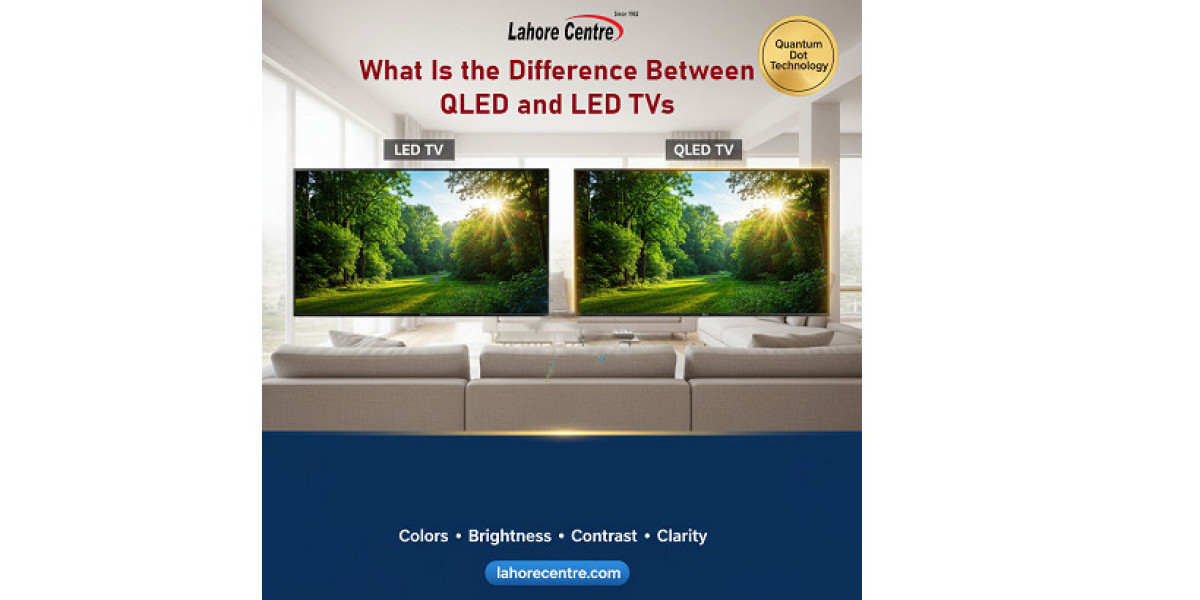
Buying a high-end television requires a trusted partner who can offer genuine products and official warranties. At Lahore Centre, customers have the opportunity to see these different technologies in person. Comparing an LED and a QLED side-by-side helps you understand exactly what you are paying for and which technology fits your specific viewing habits.
Moreover, purchasing from an authorized retailer ensures that you receive the latest models with the most recent firmware updates. In a market where counterfeit or refurbished units can sometimes be sold as new, shopping at a reputable location like Lahore Centre provides the peace of mind that your investment is protected. They also offer flexible payment options and expert advice on which screen size is appropriate for your room's dimensions.
Final Verdict: Is QLED Worth the Extra Cost?
If you are a casual viewer who primarily watches news or talk shows, a standard LED might be sufficient. However, if you enjoy high-quality movies, 4K gaming, or live sports, the jump to QLED is undoubtedly worth it. The combination of higher brightness, better color volume, and longer-lasting panels makes QLED the superior choice for the modern home.
As brands like Samsung, LG, TCL, and Haier continue to refine this technology, the prices are becoming more competitive. This means that a premium cinematic experience is now within reach for a much larger segment of the population. By choosing a QLED, you are not just buying a TV; you are future-proofing your home entertainment for the years of high-definition content to come.