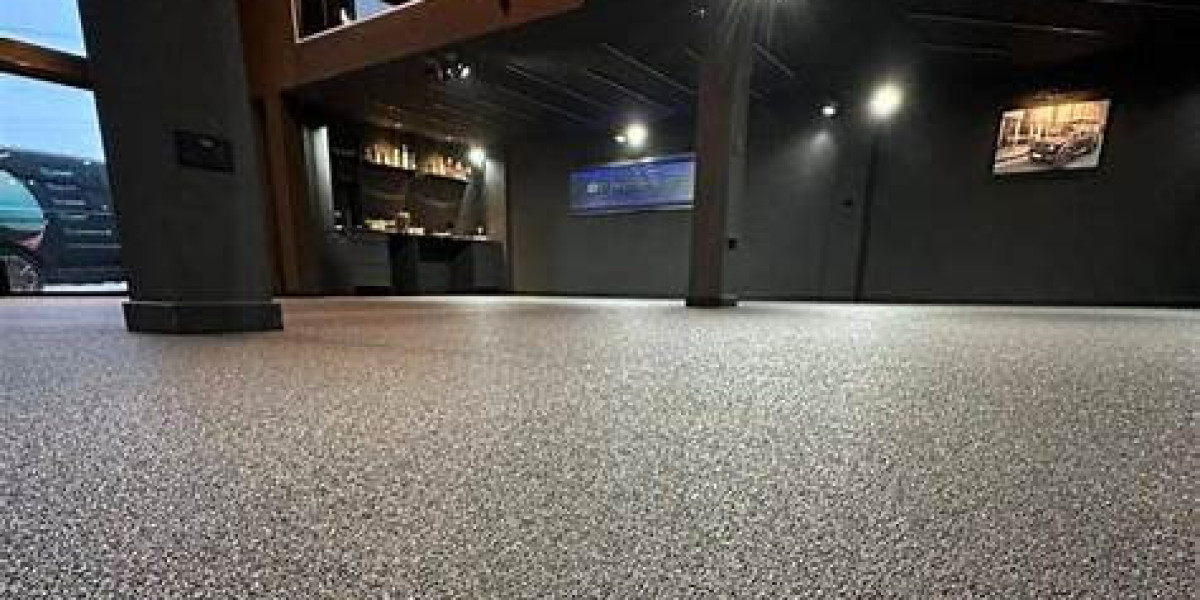

In the world of commercial construction and facility management, flooring plays a crucial role—not just in aesthetics but also in durability, safety, and functionality. One of the most effective solutions for high-traffic commercial spaces is commercial epoxy flooring. Known for its robustness and versatility, epoxy flooring has become a go-to choice for warehouses, retail spaces, hospitals, manufacturing plants, and offices alike.
What Is Commercial Epoxy Flooring?
Commercial epoxy flooring is a type of resinous flooring system created by combining epoxy resin with a hardening agent. When applied over concrete or other suitable surfaces, it forms a seamless, durable, and glossy finish that can withstand heavy foot traffic, chemical spills, and mechanical wear. Unlike traditional flooring options, epoxy provides both aesthetic appeal and practical benefits, making it an ideal solution for businesses aiming to maintain a clean, professional, and long-lasting environment.
Benefits of Commercial Epoxy Flooring
The growing popularity of epoxy flooring in commercial settings is due to a combination of practical and aesthetic benefits:
Exceptional Durability
Epoxy floors are resistant to wear and tear, making them perfect for areas with heavy foot traffic, machinery, or vehicles. The hard-wearing surface can endure impacts, abrasions, and even heavy loads without cracking or chipping.Chemical and Stain Resistance
Commercial spaces like laboratories, factories, and garages often face exposure to chemicals, oils, and other corrosive substances. Epoxy flooring provides a non-porous barrier, preventing chemicals from penetrating the surface and simplifying cleanup.Low Maintenance
One of the most significant advantages of epoxy flooring is its ease of maintenance. The seamless surface prevents dirt, dust, and bacteria from accumulating, allowing for simple cleaning routines. This feature is especially valuable in hospitals, food processing plants, and cleanrooms where hygiene is critical.Enhanced Safety
Safety is a top priority in commercial settings. Epoxy floors can be customized with anti-slip additives to reduce the risk of accidents in wet or high-traffic areas. Additionally, the reflective surface can improve lighting conditions, enhancing visibility and workplace safety.Aesthetic Versatility
Epoxy flooring is available in a wide range of colors, patterns, and finishes. Businesses can select styles that match their branding or interior design goals. Metallic epoxy finishes, for instance, provide a striking, high-gloss effect that can impress clients and customers.Cost-Effective Solution
Compared to other flooring options like hardwood, tiles, or polished concrete, epoxy flooring is often more cost-effective over its lifespan. The combination of durability and low maintenance reduces the need for frequent repairs or replacements, delivering long-term savings for businesses.
Applications of Commercial Epoxy Flooring
The versatility of epoxy flooring makes it suitable for a wide array of commercial environments:
Warehouses and Industrial Facilities: The toughness of epoxy can withstand heavy machinery, forklifts, and pallet jacks, making it ideal for industrial use.
Retail Spaces: Epoxy floors create a clean and polished appearance, enhancing the shopping experience while offering a durable surface for high foot traffic.
Healthcare Facilities: Hospitals, clinics, and laboratories benefit from epoxy’s hygiene-friendly, seamless surface that resists bacteria and simplifies cleaning.
Food Processing Plants: Epoxy is resistant to moisture and chemicals, making it a safe and sanitary option for food preparation and processing areas.
Garages and Auto Shops: With its chemical and impact resistance, epoxy flooring can handle oil spills, tire marks, and heavy automotive equipment.
Office Spaces: Beyond functionality, decorative epoxy options provide a modern, professional look suitable for lobbies, meeting rooms, and open office floors.
Types of Commercial Epoxy Flooring
Commercial epoxy flooring comes in several types, each catering to specific functional or aesthetic needs:
Self-Leveling Epoxy Flooring
This type creates a smooth, uniform surface ideal for areas where a flawless, reflective finish is desired. It works well in showrooms, offices, and retail environments.Epoxy Mortar Flooring
Epoxy mortar incorporates sand or other fillers to create a thicker, more durable surface, perfect for industrial applications and areas exposed to heavy mechanical stress.Quartz-Filled Epoxy Flooring
This variant uses colored quartz granules to enhance slip resistance and durability. It is commonly used in healthcare, commercial kitchens, and high-traffic corridors.Metallic Epoxy Flooring
Metallic epoxy produces a luxurious, marbled effect that is both decorative and functional. It is ideal for showrooms, executive offices, and spaces that aim to impress visitors.
Installation Process
Proper installation is critical to ensuring the longevity and performance of commercial epoxy flooring. The process generally involves the following steps:
Surface Preparation: Concrete surfaces must be cleaned, etched, or ground to ensure proper adhesion. Any cracks or imperfections are repaired before application.
Primer Application: A primer layer enhances adhesion and prevents air bubbles.
Epoxy Coating: The epoxy resin is mixed with a hardener and applied in layers. Multiple coats may be applied depending on the required thickness and durability.
Optional Decorative Layers: Color flakes, quartz, or metallic powders can be added for aesthetics or functional purposes like slip resistance.
Topcoat Sealant: A final clear layer protects the surface from wear, UV exposure, and chemicals.
Maintenance Tips for Longevity
To maximize the lifespan of commercial epoxy flooring, businesses should follow a few maintenance practices:
Sweep or dust mop regularly to prevent grit from scratching the surface.
Use a damp mop with a mild detergent for routine cleaning. Avoid harsh chemicals that can degrade the epoxy.
Place mats at entrances to reduce dirt and debris.
Address spills promptly, especially oil or chemical spills, to maintain the floor’s integrity.
Schedule periodic inspections for cracks or wear, and recoat areas as needed.
Conclusion
Commercial epoxy flooring combines durability, safety, and style, making it a top choice for businesses across various industries. Its ability to withstand heavy traffic, resist chemicals, and provide a low-maintenance, hygienic surface ensures both practicality and long-term cost savings. Whether for industrial, healthcare, retail, or office spaces, epoxy flooring offers a versatile and visually appealing solution that can elevate any commercial environment.
Investing in professional commercial epoxy flooring not only enhances the aesthetics of a space but also ensures a durable, safe, and long-lasting foundation for everyday operations. With proper installation and maintenance, epoxy floors can serve as a practical and stylish solution for decades.