
The 416 Barrett is one of the most powerful and specialized long-range cartridges available to civilian shooters today. Developed to deliver extreme velocity, flat trajectory, and exceptional retained energy at extended distances, it represents a serious step into the world of ELR (Extreme Long Range) shooting. While often compared to the .50 BMG, the 416 Barrett was engineered with a different philosophy—maximize aerodynamic efficiency, reduce drag, and push precision to distances most shooters will never attempt.
In this deep dive, we’ll explore the origins of the 416 Barrett, examine its ballistics and performance characteristics, compare it to similar large-caliber options, and evaluate its realistic long-range potential.
The Origin of the 416 Barrett
The .416 Barrett was introduced in 2005 by Barrett Firearms Manufacturing. The cartridge was designed primarily for use in the Barrett Model 99, a bolt-action, single-shot precision rifle platform.
The development of the cartridge was driven by a specific goal:
Create a round that matches or exceeds .50 BMG performance at extreme distances while offering better aerodynamic efficiency and long-range stability.
To achieve this, engineers necked down a .50 BMG parent case to accept a .416-caliber projectile. This design allowed for:
High muzzle velocity
Superior ballistic coefficient
Reduced wind drift
Flatter trajectory
The result was a cartridge built from the ground up for precision at distances exceeding 1,500 yards—and often much farther.
Cartridge Design and Specifications
The 416 Barrett fires projectiles typically weighing between 395 and 452 grains, though some specialized loads exceed that range.
Key Ballistic Characteristics
Bullet weight: ~395–450+ grains
Muzzle velocity: Approximately 2,900–3,150 feet per second
Muzzle energy: Often exceeding 8,000 foot-pounds
Effective range: Well beyond 2,000 yards in capable hands
The high ballistic coefficient (BC) of .416 projectiles is a defining factor. Many bullets used in this caliber feature sleek, boat-tail designs optimized for minimal drag and stable flight through transonic zones.
This focus on aerodynamic efficiency gives the 416 Barrett a measurable edge in extreme long-range shooting applications.
Ballistics: Why the 416 Barrett Excels at Distance
Ballistics is where the 416 Barrett truly distinguishes itself.
1. High Velocity
With velocities often exceeding 3,000 fps depending on barrel length and load, the 416 Barrett maintains supersonic flight longer than many competing cartridges.
Staying supersonic at extreme distances helps maintain:
Stability
Predictable trajectory
Reduced vertical dispersion
2. Exceptional Ballistic Coefficient
High-BC bullets minimize drag, meaning:
Less wind drift
Greater retained velocity
More energy delivered downrange
In long-range shooting, wind is often the biggest challenge. The 416 Barrett’s projectile design significantly reduces this variable compared to larger-diameter, lower-BC rounds.
3. Energy Retention
Even at distances exceeding 1,500 yards, the cartridge retains substantial energy—far more than traditional big-game calibers at similar ranges.
While energy alone does not guarantee precision, it reflects the round’s ability to remain dynamically stable and effective at long distances.
Comparing 416 Barrett to .50 BMG
The natural comparison is the .50 BMG, long considered the benchmark for extreme long-range shooting.
Size and Projectile Differences
.50 BMG uses larger diameter bullets
416 Barrett uses smaller, more aerodynamic .416 projectiles
Velocity
The 416 Barrett often achieves higher velocities than standard .50 BMG loads.
Wind Drift
Due to superior BC in many .416 projectiles, the 416 Barrett generally experiences:
Reduced wind drift
Improved long-range efficiency
Recoil
While both cartridges generate substantial recoil, the 416 Barrett typically produces slightly less recoil impulse compared to full-power .50 BMG loads—though still very significant.
In short, the 416 Barrett was engineered not to replace the .50 BMG entirely, but to offer a more ballistically efficient alternative for extreme precision shooting.
Rifle Platforms and Configuration
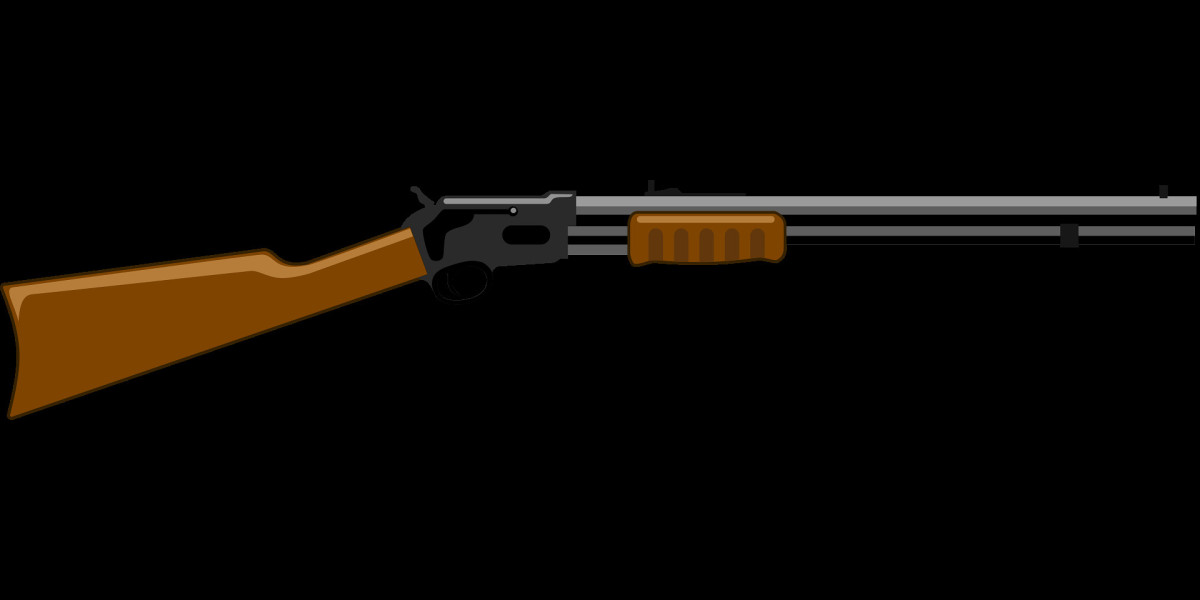
Most rifles chambered in 416 Barrett are purpose-built precision systems.
Common features include:
Heavy barrels (often 29 inches or longer)
Robust bolt-action systems
Single-shot configuration
Advanced muzzle brakes
High-magnification optics
Because of the cartridge’s size and pressure, rifles are substantial in weight—often exceeding 20 pounds. That mass helps absorb recoil and improve stability during firing.
This is not a lightweight field rifle. It is a specialized long-range instrument.
Mid-Range Analysis: Where the 416 Barrett Dominates
At this point, it’s important to revisit the core focus of the 416 Barrett: extreme long-range performance.
While many cartridges perform well inside 1,000 yards, fewer maintain:
Supersonic velocity beyond 1,500 yards
Manageable wind drift at 2,000 yards
Consistent ballistic stability in transonic flight
The 416 Barrett was specifically engineered to excel in these areas.
In competitive ELR shooting circles, it has earned respect for its ability to:
Deliver consistent hits on steel at extreme distances
Maintain predictable ballistic behavior
Reduce wind correction compared to larger calibers
For shooters pushing beyond traditional long-range boundaries, the cartridge offers a compelling balance of speed and efficiency.
Recoil and Shooter Considerations
Let’s be clear: the 416 Barrett produces serious recoil.
Even with:
Heavy rifle platforms
Aggressive muzzle brakes
Recoil pads
the cartridge delivers significant force.
Managing it requires:
Proper shooting fundamentals
Stable bench or prone position
Quality spotting equipment
Physical endurance
This is not a beginner-friendly cartridge. It demands experience and discipline.
Ammunition Cost and Accessibility
As with most ELR cartridges, cost is a factor.
416 Barrett ammunition:
Is specialized
Is premium-priced
May require handloading for maximum precision
Serious shooters often handload to fine-tune:
Bullet seating depth
Powder charge
Velocity consistency
Precision at extreme range requires meticulous attention to detail.
Practical Applications
1. Extreme Long-Range Competition
The 416 Barrett is most at home in ELR competitions where shooters engage targets at distances far exceeding one mile.
2. Long-Range Enthusiast Shooting
Dedicated long-range shooters seeking to push ballistic boundaries may choose this cartridge for its performance advantages.
3. Military and Specialized Use
Although not as widespread as .50 BMG, the cartridge was originally developed with specialized military applications in mind.
For typical hunting scenarios, however, it is impractical and excessive.
Is It Practical for Most Shooters?
For the average firearms enthusiast, the 416 Barrett is more of a niche precision instrument than a general-purpose rifle cartridge.
Limitations include:
Rifle cost
Ammunition expense
Range availability
Recoil intensity
Rifle weight
Many public shooting ranges do not accommodate distances sufficient to fully utilize its capabilities.
Owning a 416 Barrett setup is a commitment—to both equipment and skill development.
The Technical Appeal
Despite its niche status, the 416 Barrett has strong appeal among ballistic enthusiasts.
It represents:
Advanced cartridge engineering
Optimization for aerodynamic efficiency
A pursuit of precision beyond conventional limits
For shooters fascinated by external ballistics, wind reading, and extreme-range problem-solving, the cartridge offers a unique challenge.
Final Thoughts
The 416 Barrett stands as one of the most specialized and ballistically impressive cartridges available in the civilian market. Designed to outperform traditional heavy calibers in aerodynamic efficiency and long-range precision, it has carved out a respected place in the ELR community.
It is not practical for everyday shooting.
It is not economical for casual range use.
It is not intended for typical hunting applications.
But for those committed to extreme long-range performance, it delivers:
High velocity
Exceptional ballistic coefficients
Reduced wind drift
Impressive retained energy
For shooters researching rifles, components, or availability, platforms like GunsAmerica provide listings and information that can help evaluate options before investing in such a specialized setup. As with any high-performance cartridge, matching your equipment to your intended purpose ensures the best results.
Ultimately, the 416 Barrett is about pushing limits—of distance, precision, and ballistic science. For the right shooter with the right environment, it represents one of the most capable long-range cartridges ever developed.