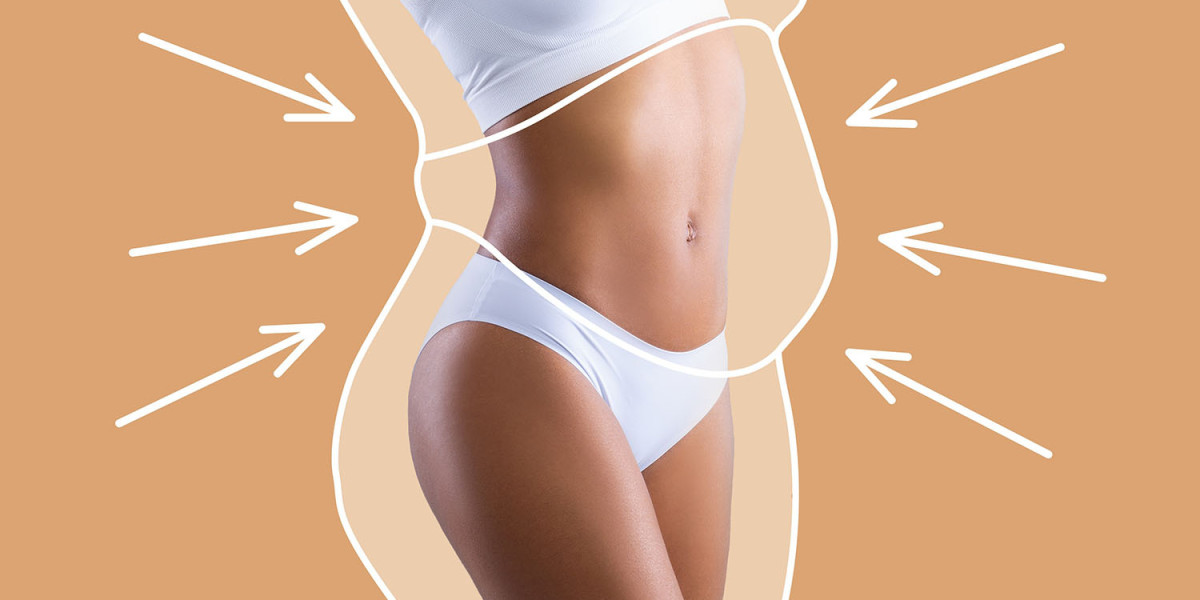

Stubborn fat can persist even with consistent exercise and a balanced diet, leading many individuals to explore advanced body contouring solutions such as Liposuction in Riyadh. While liposuction is widely known for sculpting and reshaping the body, few people truly understand the science behind how it works. This procedure is not simply about suctioning fat—it involves a carefully controlled medical process designed to safely remove fat cells while preserving surrounding tissues. By understanding the biological and technological principles behind liposuction, patients can make more informed decisions about their body contouring journey.
Understanding Body Fat and How It Forms:
To understand liposuction, it’s important to first understand how fat develops in the body. Fat is stored in specialized cells called adipocytes, which expand when excess calories are consumed and shrink when calories are burned. These cells are distributed throughout the body and influenced by genetics, hormones, and lifestyle. Key facts about body fat include:
Fat cells increase in size with weight gain
The number of fat cells stabilizes after adolescence
Certain areas are genetically prone to storing more fat
Hormonal changes can affect fat distribution
Liposuction targets these fat cells directly, removing them from specific areas to reshape body contours.
The Core Principle of Liposuction:
At its foundation, liposuction works by physically removing fat cells from beneath the skin using controlled suction. A thin tube called a cannula is inserted through small incisions, allowing the surgeon to break up and extract fat deposits. The scientific principle is straightforward:
Fat tissue is loosened from connective structures
The cannula creates negative pressure
Fat cells are suctioned out permanently
Surrounding tissues are preserved as much as possible
Once fat cells are removed, they do not regenerate, which makes the results long-lasting when weight remains stable.
The Role of Tumescent Solution:
Modern liposuction techniques commonly use what is known as the tumescent method. This involves injecting a specialized solution into the treatment area before fat removal. The solution typically contains:
Saline to expand fat compartments
A local anesthetic to reduce discomfort
Epinephrine to minimize bleeding
This fluid causes the targeted area to become firm and swollen (tumescent), making fat cells easier to remove while reducing trauma to blood vessels and surrounding tissues. This advancement significantly improved the safety and precision of liposuction procedures.
How Different Technologies Enhance Fat Removal:
While traditional liposuction relies on manual suction, newer technologies enhance fat breakdown before removal. These methods improve efficiency and may reduce recovery time. Common technologies include:
Ultrasound-assisted liposuction (UAL): Uses sound waves to liquefy fat
Laser-assisted liposuction: Uses heat energy to disrupt fat cells
Power-assisted liposuction (PAL): Uses vibrating cannulas for smoother removal
Each technology works on the same scientific principle—disrupting fat cells before suction—but differs in how the fat is broken down.
What Happens to the Body After Fat Removal:
After fat cells are removed, the body undergoes a healing and remodeling process. The surrounding tissues gradually adjust to the new contour, and swelling decreases over time. Physiological responses include:
Temporary inflammation as part of healing
Gradual skin retraction depending on elasticity
Formation of new collagen in some cases
Stabilization of body contour over several months
This healing phase explains why final results are not immediately visible and continue to improve over time.
Why Liposuction Is Not a Weight-Loss Procedure:
From a scientific standpoint, liposuction removes localized fat deposits but does not significantly alter metabolic processes or overall body weight. Important distinctions include:
Only a limited amount of fat can be safely removed
It does not treat obesity
It does not change appetite or calorie balance
Remaining fat cells can expand if weight is gained
This is why candidates for Liposuction in Riyadh are typically close to their ideal weight and seeking contour refinement rather than dramatic weight reduction.
Skin Elasticity and Its Scientific Importance:
The quality of the skin plays a major role in achieving smooth results. After fat removal, the skin must contract to fit the new shape. This process depends on:
Collagen and elastin fibers
Age and genetic factors
Sun damage history
Overall skin health
Younger individuals or those with good skin elasticity often experience better retraction, while reduced elasticity may require additional skin-tightening procedures.
Safety Measures Built Into the Procedure:
The science of liposuction also includes strict safety protocols designed to minimize complications. Advances in technique have reduced risks significantly over time. Safety measures include:
Careful patient screening
Controlled fat removal limits
Precise fluid management
Sterile surgical environments
Post-operative monitoring
These medical standards ensure that fat removal is performed responsibly and with patient well-being as the top priority.
How the Body Maintains Results Long-Term:
One of the most common questions patients ask is whether fat returns after liposuction. Scientifically, once fat cells are removed, they are permanently gone. However, long-term results depend on:
Maintaining a stable weight
Balanced nutrition
Regular physical activity
Healthy metabolic habits
If significant weight gain occurs, remaining fat cells can enlarge, potentially altering the treated contour. Therefore, liposuction is most effective when paired with consistent lifestyle management.
Psychological and Biological Impact of Body Contouring:
Although liposuction is a physical procedure, it often has psychological benefits. Feeling more comfortable in one’s body can influence behavior and self-perception. Many patients report:
Increased motivation to maintain fitness
Improved self-confidence
Better clothing fit
Enhanced body image satisfaction
For those considering Liposuction in Riyadh, understanding both the scientific and emotional aspects of the procedure helps set realistic expectations and promote positive outcomes.
Final Thoughts:
Liposuction is far more than a cosmetic trend—it is a scientifically grounded procedure that removes fat cells through controlled surgical techniques. By targeting adipocytes directly, using advanced technologies, and supporting the body’s natural healing process, liposuction reshapes and refines body contours in a lasting way. However, it is not a substitute for weight loss or healthy living. The best outcomes occur when patients understand the biology behind fat removal, maintain realistic expectations, and commit to long-term wellness. When performed by a qualified professional and combined with healthy lifestyle habits, liposuction can be a powerful tool for achieving balanced, natural-looking body contours.